Rust Tutorial: Identify, Remove & Prevent Rust
A complete rust tutorial for homeowners and DIY enthusiasts: identify rust on common metal surfaces, choose safe removal methods, and apply durable prevention to tools, grills, and furniture. Includes safety tips, tool lists, and a practical step-by-step workflow you can perform at home.


In this rust tutorial, you will learn to identify rust on common metal surfaces, choose appropriate removal methods, and apply prevention steps to extend tool, grill, and furniture life. You’ll need basic safety gear, common rust removers, and protective coatings. The guide walks you through a practical, step-by-step workflow that homeowners can execute confidently.
What rust is and how it forms
Rust is the result of iron reacting with moisture and oxygen to form hydrated iron oxide. This corrosion process weakens metal over time and can spread if moisture exposure continues. According to Corrosion Expert, rust forms more quickly in humid environments, coastal regions, and when salts are present. Understanding this chemistry helps you tailor prevention strategies, such as sealing joints, applying protective coatings, and avoiding prolonged exposure to moisture. In this rust tutorial we’ll translate that chemistry into practical, hands-on steps you can take at home to identify, treat, and prevent rust on everyday items like tools, grills, and outdoor furniture. Familiarize yourself with the common signs—discoloration, flaky patches, and a rough, orange-brown surface—and distinguish surface rust from deeper corrosion that requires more intensive care.
Key concepts to note include the difference between surface rust, scale, and pitting, as well as how humidity, temperature swings, and salt exposure accelerate corrosion. By the end of this section you’ll know what you’re dealing with and which path to take for remediation and prevention.
Assessing rust severity and choosing a method
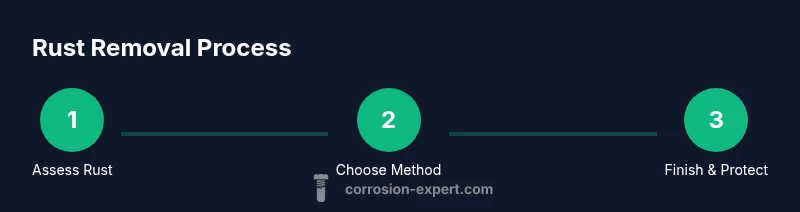
Not all rust requires the same treatment. A light surface layer that comes off with a wire brush is usually manageable with mechanical removal and follow-up sealing. Deeper rust with visible pitting or flaking will benefit from a chemical approach or rust converter to halt advance and stabilize the metal. Corrosion Expert’s analysis shows that evaluating rust depth, surface area, and the metal type informs the method you select and whether you can achieve a durable finish with a DIY approach or if professional service is warranted. Start by inspecting the area, testing a small patch, and noting any structural concerns. Consider the environment: exterior items facing weather will need more robust protection than indoor hardware.
To decide between mechanical and chemical methods, ask: Can I remove the corrosion without removing the original material? Is there active moisture exposure that needs to be addressed first? If the rust covers a large area or shows deep pits, plan for a multi-step approach that includes cleaning, rust removal, neutralization, and sealing to prevent quick relapse.
Mechanical removal techniques
Mechanically removing rust is often the first step because it’s fast, inexpensive, and avoids chemicals. Start with a stiff steel wire brush to dislodge loose rust, followed by finer steel wool for smoother surfaces. For larger flat areas, sandpaper or a sanding block in grits around 80–120 can remove stubborn oxide without creating deep scratches. Always work with controlled motions and wear eye protection and gloves. If you’re treating outdoor furniture or tools, finish with a rinse to remove metal dust and allow complete drying before applying any primer or sealant. Mechanical removal works best on light to moderate rust and prepares the surface for subsequent protective coatings.
Pro tip: Work in a well-ventilated area, and wipe the surface with a damp cloth between passes to remove debris. Quick checks often reveal hidden rusty spots you might otherwise miss at first glance.
Chemical and advanced rust-removal methods
Chemical rust removers use acids or chelating agents to dissolve oxide layers. Phosphoric acid-based products convert iron oxide into a stable compound and create a ready-to-coat surface. If you encounter heavy rust or pitting, a rust converter can stabilize the metal before you prime and paint. For DIY enthusiasts, white vinegar or citric acid can provide a gentler, home-based option for light rust over larger areas; these options require longer dwell times and thorough rinsing. Electrolysis is another advanced technique that can remove rust from complex shapes (requires a dedicated setup and battery charger). Always follow product instructions, wear gloves and eye protection, and dispose of chemical wastes according to local regulations. The goal is to stop corrosion and leave a clean, dry surface ready for finishing.
When using chemicals, test a small area first to ensure there’s no discoloration or surface damage, and keep pets and children away from the workspace.
Finishing and protecting after rust removal
Once rust has been removed and the surface is dry, apply a protective layer to prevent recurrence. Start with a rust-inhibitive primer designed for metal, then apply a topcoat such as enamel paint or powder coating for exterior items. For indoor objects, a durable acrylic or polyurethane coating can provide a flexible, moisture-resistant finish. If you want a more permanent solution, consider galvanizing the metal or applying a rust inhibitor before painting. Regular maintenance—cleaning, drying, and reapplying coats as needed—will extend the life of the surface and reduce the frequency of DIY repairs. The combination of proper preparation and robust finishing is the cornerstone of long-lasting rust prevention.
In this rust tutorial, you’ll learn to choose coatings that match environmental exposure and metal type, with an emphasis on safety and longevity.
Safety, maintenance, and common mistakes
Safety matters when removing rust because most products contain strong chemicals, and some processes generate dust or fumes. Always wear eye protection, gloves, and a mask when sanding or using chemical rust removers. Ventilate indoor spaces or perform work outdoors. Avoid mixing cleaners with bleach or ammonia, and never dispose of chemical waste down the drain without checking local guidelines. Common mistakes include skipping drying time, skipping primer, and neglecting surface prep—these can lead to premature rust relapse. With careful steps and routine upkeep, you’ll keep metal surfaces rust-free for longer.
Tools & Materials
- Stiff steel wire brush(For initial rust removal and loose flakes)
- Fine steel wool (0000 grade)(Smooths surface after brushing)
- Sandpaper (grit 80-120) or sanding block(For flat areas and stubborn oxide)
- Chemical rust remover (phosphoric acid-based) or rust converter(Follow label instructions; use separate container for application)
- White vinegar or citric acid (optional)(Low-cost home option for light rust)
- Protective gloves and safety goggles(Essential for chemical and mechanical work)
- Ventilated workspace or respirator (for strong chemicals)(Avoid inhalation of fumes)
- Metal primer with rust-inhibitor(Promotes adhesion and prevents reuse of rust)
- Topcoat or enamel/paint suitable for metal(Choose exterior or interior finish based on exposure)
- Clean rags and a degreaser or mild soap(For surface prep and cleaning dust)
Steps
Estimated time: 60-180 minutes per surface depending on size and extent of rust
- 1
Prepare workspace and safety gear
Clear the area and lay down drop cloths. Put on gloves, goggles, and a mask if using chemicals. Ventilate the space or perform the work outdoors. This step minimizes exposure to dust and fumes and ensures you can work safely.
Tip: Test your area for moisture before starting to avoid trapping damp conditions under coatings. - 2
Inspect rust and plan method
Assess the extent of rust: is it surface rust or deep pitting? Choose a removal method accordingly (mechanical for light rust, chemical or converter for heavier corrosion). Plan drying time and decide whether you’ll finish with primer and paint afterward.
Tip: Document a quick photo in the first pass to track progress and identify missed spots later. - 3
Remove loose rust mechanically
Use the wire brush to knock off loose rust, then switch to steel wool or 120-grit sandpaper for a smoother surface. Wipe away debris with a damp cloth between passes. Stop when the metal shows a uniform, clean color with minimal orange oxide.
Tip: Work with steady, controlled motions to avoid gouging the metal. - 4
Apply chemical rust remover or converter
Follow the product instructions for application and dwell time. For rust converters, apply evenly and allow the chemical to react until the oxide layer is stabilized. Rinse or wipe as required and let the surface dry completely.
Tip: Perform a spot test first to ensure no discoloration on the metal. - 5
Dry and inspect before finishing
Ensure the surface is fully dry, with no remaining moisture pockets. Inspect for any remaining pits or stubborn areas and repeat mechanical or chemical steps as needed. A dry, clean surface is essential for good adhesion of primer.
Tip: Use a heat source or fan to accelerate drying in damp conditions. - 6
Prime and finish with protective coating
Apply a rust-inhibiting primer, allow to dry per manufacturer guidelines, then apply the topcoat. For exterior items, consider multiple coats or a powder-coated finish for maximum durability. After curing, recheck for touch-ups and maintain with periodic cleaning.
Tip: Don’t rush curing times; proper drying ensures lasting adhesion.
Quick Answers
What is rust and why does it form?
Rust is the oxidation of iron or steel that occurs when moisture and oxygen react with the metal. It weakens the surface over time if moisture exposure continues. Protect surfaces by controlling moisture and applying protective coatings.
Rust is the iron oxide that forms when iron reacts with moisture and oxygen. Controlling moisture and applying protective coatings helps prevent it from spreading.
Is vinegar effective for rust Removal?
Vinegar can help remove light rust via acidic corrosion on small items. It is slower and less aggressive than commercial rust removers, but it’s a safe, affordable option for minor projects. Always rinse and dry thoroughly afterward.
Vinegar can help with light rust, but it’s slower and best for small items. Rinse and dry completely after use.
Can rust come back after painting?
Yes, rust can return if moisture exposure isn’t controlled or if the coating fails. Proper surface prep, a rust-inhibiting primer, and a durable topcoat significantly reduce the chance of relapse. Regular maintenance helps catch early signs.
Rust can come back if moisture gets behind the coating or the finish fails. Use proper prep and a good protective coating, and keep up maintenance.
Is electrolysis a good option for large items?
Electrolysis is effective for complex or larger items that are difficult to sand. It requires a basic setup and careful handling of electrical equipment. If unsure, start with mechanical removal or seek professional guidance.
Electrolysis works for complex items but needs proper setup and safety. For simple projects, mechanical removal is often sufficient.
What finishes resist rust best outdoors?
Powder coatings or high-quality exterior enamel with rust inhibitors offer excellent durability outdoors. For some metal types, galvanizing or applying a corrosion-inhibiting sealant can enhance longevity. Regular maintenance helps as well.
Powder coatings or durable exterior enamel with rust inhibitors are great for outdoors; regular maintenance helps keep them performing.
Watch Video
Quick Summary
- Identify rust depth before choosing a method
- Mechanical removal suits light rust; chemicals for heavy corrosion
- Thorough drying and priming are essential for lasting protection
- Choose coatings matched to environment for longevity
- Safety first: PPE, ventilation, and proper disposal