Drop Rust: DIY Rust Removal and Prevention Guide
Learn how to drop rust from metal surfaces with a practical, step-by-step method using safe tools, mechanical cleaning, and protective coatings to prevent recurrence.


By following this guide, you will learn how to drop rust from metal surfaces using a practical, safety-conscious method. The steps combine mechanical scrubbing, safe rust removers, and protective coatings to minimize recurrence. You’ll need basic tools and protective gear, plus some patience for waiting periods. This approach works for tools, appliances, outdoor furniture, and other rusty metal items.
What drop rust means for DIYers
Drop rust describes a practical approach to combat corrosion by removing existing rust and applying protective measures to slow or stop new rust formation. For DIYers, the goal is to restore the metal’s surface while preserving its function and appearance. According to Corrosion Expert, success hinges on understanding how rust forms, choosing safe removal methods, and sealing the surface to prevent moisture ingress. In this section we’ll lay the groundwork: what rust is, how it affects different metals, and why a systematic approach beats rough scrubbing alone. You’ll see how to distinguish light surface staining from deeper corrosion, and why the right sequence—prep, remove, neutralize, seal—produces the best long-term results. By the end, drop rust will feel less mysterious and more manageable for a wide range of projects.
Assessing the rusted surface
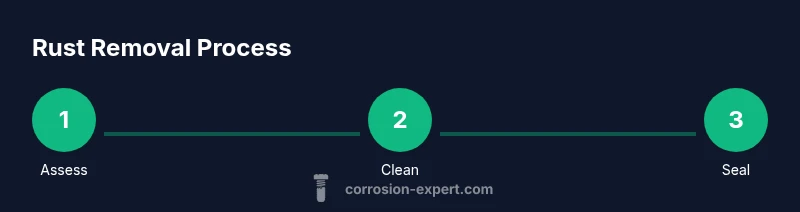
Before picking a method, inspect the item to determine the extent of corrosion and the best restoration path. Look for flaking rust, pitting, and any weakness in the metal that would require replacement rather than repair. For light surface rust, mechanical cleaning might suffice; heavier corrosion may need chemical rust removers or rust converters. Corrosion Expert notes that rust is not uniform across a surface, so test in a hidden area first and map out the scope of work. Document the surface finish: bare metal, painted, plated, or alloy. This helps you choose compatible products to avoid reactions that could worsen the damage. Finally, decide whether you’ll restore for aesthetics, function, or both. This planning step will save time and reduce waste during the actual removal phase.
Safety first: gear and precautions
Working with rust removers and sharp tools requires proper protection. Wear safety goggles to shield your eyes, nitrile gloves to protect your skin, and a dust mask or respirator for fumes. Ensure adequate ventilation, especially when using chemical products. Keep children and pets away from the workspace, and read product labels for hazard warnings and first-aid instructions. A simple rule is to treat rust removal like a small construction project: prepare, protect, and monitor your environment. Safety not only prevents injuries but also improves results by allowing you to work more calmly and precisely.
Tools and materials overview
Before you begin, assemble a basic toolkit tailored for rust work. You’ll need a wire brush or stiff nylon brush, sandpaper or sanding blocks (coarse to fine grits), steel wool, rags, and a container for solvents. For chemical rust removal, choose a phosphoric acid–based remover or a water-based rust converter that's suitable for the metal you’re treating. If you’re sealing after treatment, have a rust-inhibiting primer and a compatible topcoat ready. Label all containers, follow safety guidelines, and keep your workspace tidy to avoid recontamination of treated areas.
Step 1: prep the area
Clear the workspace, position the item securely, and protect nearby surfaces with drop cloths or painter's tape. Remove any loose paint, rust flakes, or debris with a plastic putty knife or scraper, taking care not to gouge the metal. Wipe the surface with a degreasing cloth to lift oil and fingerprints that can interfere with adhesion. If the item is large, photograph the item before you start to document original condition for reference during reassembly or re-coating. The prep stage sets the tone for the rest of the project: a clean, dry surface improves rust removal efficiency and ensures primers and coatings bond properly, yielding a durable finish.
Step 2: mechanical cleaning approaches
Begin with dry brushing or wiping to remove loose rust and surface grime. Switch to a wire brush or abrasive pad and work in steady, overlapping strokes to lift corrosion without gouging the base metal. For complex geometries or tight corners, use a smaller brush, a Dremel with a metal brush attachment, or a handheld grinding pad with light pressure. Frequently wipe away residue, inspect progress, and recoat any stubborn areas. If you’re working on painted surfaces, avoid disturbing intact paint unless you intend to remove it for better adhesion. After this step, you should see a more uniform color and texture, indicating that the surface is ready for the next phase. Remember, mechanical methods are fast and affordable but may not reach deep pits—note those areas for possible chemical treatment.
Step 3: chemical rust removal options
Chemical rust removers dissolve or loosen deeply embedded rust that mechanical cleaning can’t reach. Apply the product evenly using a brush or cloth, then follow the dwell time specified by the manufacturer. In difficult spots, reapply and gently agitate with a soft brush to improve contact. Rinse thoroughly with water or wipe with a neutralizing solution as directed, and dry completely. For safety and environmental reasons, choose water-based, low-toxicity formulations when possible and avoid mixing products. If you’re unsure about compatibility with plated finishes, test on a hidden area first and consult the product’s compatibility chart. This step can dramatically improve results on stubborn rust and pave the way for a strong primer.
Step 4: neutralizing and drying
Some chemical removers require neutralization after dwell time; others are self-neutralizing. If your product requires neutralization, apply the recommended solution and rinse off promptly. Dry the surface thoroughly with clean towels, a lint-free cloth, or a heat source if safe to do so. Moisture left on the surface promotes flash rust or uneven coating adhesion, so ensure complete dryness before moving to priming. Inspect the metal for any remaining damp spots, especially in hidden crevices. For large objects, use air movement or a dehumidifier to speed the process. A properly dried surface creates a uniform base for primer and reduces the risk of coating defects.
Step 5: sealing and protection
To prevent Rust return, apply a rust-converting primer followed by a topcoat or sealant designed for metal surfaces. Ensure the coating provides a barrier against moisture, oxygen, and UV exposure for outdoor use. For outdoor items, look for weather-rated formulations and consider applying a second finishing layer after the recommended cure. If you have multiple surfaces or unusual shapes, use small brushes or spray equipment to ensure even coverage. After curing, recheck for missed spots and perform touch-ups as needed. This protective layer reduces moisture access and slows future rust formation, helping you get the most from your restoration effort.
Common mistakes and how to avoid them
Rushing steps, skipping prep, or selecting an unsuitable product for the metal can ruin results. Don’t ignore hidden rust beneath coatings; it will re-emerge later if not treated properly. Avoid oversaturating the surface with liquids or chemicals, which can cause pooling and long dry times. Do not skip safety gear; fumes and sharp tools pose risks even for small projects. Finally, don’t assume one product fits all metals—aluminum, stainless steel, and iron require different approaches. A meticulous, stepwise plan reduces rework and delivers a longer-lasting finish.
Indoor vs outdoor rust care
Environment greatly influences rust behavior. Indoor items generally tolerate gentler approaches and lighter protective coatings, but they still benefit from thorough cleaning and a compatible topcoat. Outdoor items contend with moisture, temperature swings, and environmental exposure; they need more durable primers and topcoats and perhaps periodic maintenance. Coastal environments demand special attention to salt corrosion. Consider using stainless steel-specific products or corrosion inhibitors, and provide adequate ventilation when using chemical products. Tailor your process to the environment to maximize longevity and maintain appearance.
Long-term maintenance plan
After restoration, set up a maintenance schedule to monitor for signs of new rust. Clean and inspect surfaces every few months, addressing small rust spots quickly to prevent spreading. Keep a dedicated rust-prevention kit handy with brushes, rags, and small cans of primer or sealant for quick touch-ups. Recoat every few years or as recommended by product instructions, especially in high-humidity or coastal areas. Document the date of the work and plan and set reminders so you don’t skip check-ins. A proactive plan minimizes future rust and keeps items looking and functioning well.
Tools & Materials
- Safety goggles(Impact-resistant; protect eyes from splashes)
- Nitrile gloves(Chemical resistant; multiple pairs handy)
- Dust mask or respirator(Ventilate well; use organic vapor mask if solvents are involved)
- Wire brush(Stiff-bristled; aggressive rust removal)
- Sandpaper (coarse to fine grits)(Start coarse (60-80), finish fine (120-400))
- Steel wool or abrasive pads(For finishing blends)
- Rags and mineral spirits or soap and water(For degreasing and cleanup)
- Phosphoric acid–based rust remover or water-based rust converter(Check compatibility with metal)
- Rust-inhibiting primer(Provides barrier and adhesion)
- Metal-safe topcoat or sealant(Choose weather-rated if outdoor)
- Drop cloths or old towels(Protect surfaces around work area)
- Gloves decontamination/cleanup bucket(For disposing of waste safely)
Steps
Estimated time: 3-4 hours
- 1
Prepare workspace and safety gear
Set up in a well-ventilated area and put on PPE. Remove loose dust and prepare drop cloths. This step reduces contamination and protects you from chemical splashes.
Tip: Double-check PPE fit before you start. - 2
Remove loose rust and debris
Use a scraper or stiff brush to lift flaky rust without gouging the metal. Clear dust to reveal a cleaner surface for the next steps.
Tip: Work from edges inward to avoid re-spreading rust. - 3
Mechanical cleaning for bulk rust
Scrub with a wire brush or abrasive pad in overlapping motions. Check for deeper pits and mark areas that require extra attention.
Tip: Clean in small sections for thorough coverage. - 4
Apply chemical rust remover (if needed)
Follow product instructions and apply evenly. Allow dwell time for rust to dissolve, then wipe away residue with a clean cloth.
Tip: Test first on a hidden spot to ensure compatibility. - 5
Rinse and dry the surface
Rinse off chemical residues with water or solvent according to product guidance. Dry completely to prevent flash rust.
Tip: Use a hairdryer or heat gun to speed drying when safe. - 6
Neutralize if required
Some removers require neutralization; others are self-neutralizing. If required, apply the neutralizer and rinse again.
Tip: Never skip neutralization if the product demands it. - 7
Prime and seal
Apply a rust-inhibiting primer in thin, even coats. Allow proper curing time before applying topcoat.
Tip: Thin layers prevent runs and ensure even coverage. - 8
Apply topcoat or sealant
Choose a coating appropriate for indoor/outdoor use and metal type. Apply multiple thin coats if needed and let dry between layers.
Tip: Avoid pooling of coating at edges. - 9
Cure and inspect
Let the coating cure fully according to product specs. Inspect for missed spots and recoat as necessary.
Tip: A light sanding between coats improves adhesion. - 10
Field test and function check
Reassemble or reinstall the item and test mechanical function. Listen for squeaks or binding that might indicate moisture intrusion.
Tip: Run a short functional test before returning to service. - 11
Document maintenance plan
Record the coatings used, cure times, and inspection dates for future reference.
Tip: Set reminders to check and refresh coatings. - 12
Store away safely
Store tools and chemicals properly and dispose of waste according to local guidelines.
Tip: Never pour leftover solvents down the drain.
Quick Answers
What does 'drop rust' mean for DIYers?
Drop rust means removing rust from metal surfaces and applying protective steps to slow or stop future corrosion. The approach prioritizes safety, proper product selection, and adherence to cure times.
Drop rust means removing rust and protecting the surface to prevent it from returning.
Is rust removal safe on all metals?
Most rust removal methods are safe on common metals when used as directed, but some finishes and alloys may react differently. Always test first and follow manufacturer guidance.
Most methods are safe if you test first and follow directions.
How long does rust removal take?
The duration depends on the extent of corrosion and the products chosen. Plan for multiple passes and drying times between steps, especially when using chemicals.
It varies with how much rust there is and which products you use.
Can I prevent rust after removal?
Yes. After removal, seal with a rust-inhibiting primer and topcoat, store properly, and perform periodic maintenance to detect early signs of corrosion.
You prevent it by sealing and maintaining the surface.
What are the best chemical rust removers?
Choose products with safety profiles suited to your metal and follow the label for dwell times and disposal. Prefer water-based or less corrosive formulas where possible.
Pick removers that match your metal and follow the directions.
Should I replace parts after rust removal?
If the metal is deeply pitted or structurally compromised, replacement is safer than repair. For cosmetic rust, removal and sealing can restore function and appearance.
If there are deep pits or weakness, replacement may be best.
Watch Video
Quick Summary
- Actively remove rust with proper methods
- Choose the right remover for the metal
- Seal and protect to prevent recurrence
- Test on a small area first
- Safety comes first in every step