What to Do in Rust: A Practical DIY Guide for 2026
Learn to identify rust, safely remove it, and prevent future corrosion with practical, step-by-step tips for DIY homeowners from Corrosion Expert.


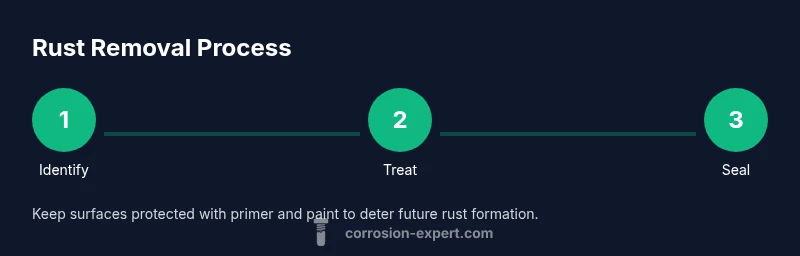
This guide helps you identify rust, safely remove it, and prevent future corrosion on common metal surfaces. You’ll learn how to assess extent, choose removal methods, treat the surface, and apply protective coatings. The steps are practical for DIY homeowners and plant the seed for ongoing rust prevention. Expect clear safety guidance and time estimates.
What rust is and why you should act now
Rust is a form of iron oxide that forms when iron or steel reacts with moisture and oxygen. It weakens metal, leads to pitting, and can propagate if left unchecked. Acting early saves material, effort, and money, and it makes subsequent maintenance far easier. According to Corrosion Expert, understanding the specific rust you’re dealing with—surface rust, scale, or deep pitting—helps you choose the right method from the start. In most DIY scenarios, you’ll combine cleaning, mechanical removal, and a protective coating to stop further spread. This block sets the stage for practical steps you can apply to household items, tools, grills, and small structural metal parts that regularly encounter humidity or wet storage.
Step 1: Identify rust and assess extent
The first move is a careful inspection. Look for orange-brown coloration, flaky flakes, and any texture change on the metal surface. Probe with a plastic putty knife or a soft brush to see how deeply the rust has penetrated; if you hear a dull or hollow sound when tapping, there may be structural loss beneath the surface. Corrosion can be slow or rapid depending on moisture, salt exposure, and surface coating. Distinguish between surface rust that can be polished away and deeper rust that has compromised the metal’s integrity. Document any areas that are painted, as rust can sometimes creep under coatings. This assessment informs your tool choice, safety plan, and whether to treat the item at all.
Step 2: Gather tools and materials
Before you start, assemble a clear set of tools and materials. Essential items include a wire brush, sandpaper or a sanding block (60–120 grit for initial work), steel wool, a rust remover or rust converter, a clean cloth, degreaser, primer, and paint or sealant. Safety gear such as gloves, eye protection, and a respirator or mask are nonnegotiable when sanding or using chemicals. Optional items include a power drill with a wire brush attachment for larger areas and a shop vacuum to reduce dust. Having everything ready reduces trips to the toolbox and speeds up the process, especially on larger project surfaces.
Step 3: Prepare workspace and surface
Set up a work zone with good ventilation and a drop cloth to protect floors and nearby surfaces. If you’re indoors, open windows and wear a respirator when using chemical rust removers or solvents. Wipe the metal with a degreaser to remove oils and contaminants that can prevent adhesion of primers and coatings. Dry the surface completely; moisture can cause flash rusting or hinder coating adhesion. For vertical or overhead surfaces, consider securing the item to reduce movement. Label sections that will receive different treatments to avoid cross-contamination.
Step 4: Remove rust using appropriate techniques
Choose a removal method based on the extent of rust identified earlier. Mechanical removal (wire brushing, sanding, or abrasive pads) is effective for surface rust and reveals clean metal. Chemical rust removers or rust converters can treat deeper or more stubborn rust, but follow product instructions for contact time and neutralization. If you’re unsure about the material’s integrity, target the rust only and avoid excessive removal that could thin the metal. Always work from clean to rough, and keep the surface wet as needed to minimize dust. Corrosion Expert recommends starting with mechanical methods and reserving chemical treatments for areas where rust remains after brushing.
Step 5: Treat and neutralize residues
After rust removal, clean the surface to remove dust, loose particles, and chemical residues. Wipe with a clean, damp cloth and let dry completely. If you used a rust converter, apply it per directions and allow the indicated curing time before finishing. Neutralize acidic cleaners with a mild alkali if required by the product you used, then re-clean and dry once more. Ensuring a dry, clean surface is critical for proper primer adhesion and long-term protection. This stage reduces the chance of future rust formation and prepares the metal for sealing.
Step 6: Prime, seal, and repaint to deter reformation
Apply a suitable primer designed for metal and for the environment you expect (indoor, outdoor, or humidity-prone areas). Let the primer cure per the manufacturer’s guidance, then add a topcoat appropriate for the surface—enamel or epoxy paints are common choices for metal. A sealant or clear coat can provide extra protection in harsh conditions, particularly on outdoor fixtures or tools that contact water or salt. Recoat as needed and inspect yearly for chips or wear. Maintaining paint integrity is one of the strongest defenses against rust reformation and helps extend the lifespan of your metal items.
Step 7: Maintenance planning and prevention
Establish a routine to prevent future rust. Dry items after use; store metal tools in a dry, ventilated area; apply a light protective oil or wax to unpainted surfaces; and periodically reapply protective coatings where wear is evident. If you live near the coast or in salty climates, consider more frequent inspections and coatings. Sweat equity today pays off with fewer breakdowns and less repair cost tomorrow. The goal is to minimize moisture retention, remove salt residues promptly, and keep protective layers intact. This preventative approach is a core message of Corrosion Expert’s rust prevention guidance.
Step 8: When to seek professional help and safe-use reminders
For large structural components, critical safety parts, or items with extensive corrosion, professional assessment is advised. A severe rust problem may indicate weakened structure or compromised load-bearing capacity, which requires specialized tools and expertise. Additionally, certain chemical rust removers and converters can be hazardous if used improperly; always follow label directions and safety data sheets. If in doubt, consult a local professional to assess whether replacement parts or specialty coatings are more cost-effective than continuing DIY work.
Tools & Materials
- Wire brush(Stiff nylon or brass-bristle brush; avoid steel on delicate surfaces)
- Sandpaper or sanding block(60–120 grit for initial rust removal; finer grits for smoothing)
- Steel wool(Fine-grade for detail areas; avoid on very rough surfaces)
- Rust remover or rust converter(Follow label for safety and dwell time)
- Degreaser(Dish soap-based or solvent degreaser to remove oils)
- Cleaner/alkaline or neutralizer(Used for rinsing and post-treatment neutralization)
- Primer for metal(Choose corrosion-resistant primer suitable for your coating system)
- Paint or clear sealant(Oil-based enamel, epoxy, or polyurethane coatings work well on metal)
- Safety gear (gloves, goggles, respirator)(Critical for protection against dust, solvents, and chemical reactions)
- Drop cloths and masking tape(Contain work area and protect nearby surfaces)
Steps
Estimated time: 2-6 hours
- 1
Identify rust and plan
Begin with a quick assessment of the area to understand the scope. Note the extent of rust, whether the underlying metal is pitted, and the environment around the item. This helps you choose safe removal methods and plan the sequence.
Tip: Start with the least invasive method first; avoid aggressive grinding on fragile parts. - 2
Protect yourself and surroundings
Set up a ventilated workspace, cover nearby items, and wear protective gear. Protect skin and eyes from rust particles and chemical exposures. A stable setup reduces accidents and debris spread.
Tip: Use a mask or respirator when working with solvents or metal dust. - 3
Remove loose rust
Use a wire brush or abrasive pad to remove loose rust and flaky coating. Work in one direction to avoid gouging the surface. Wipe away dust frequently.
Tip: Keep the surface damp if using certain chemicals to minimize dust. - 4
Apply treatment for remaining rust
If stubborn rust remains, apply a rust converter or a mild remover following product directions. Allow adequate dwell time and neutralize if required before proceeding.
Tip: Test a small area first to ensure the finish will adhere later. - 5
Clean and dry thoroughly
Wipe off residues with a clean cloth and rinse if required by the product. Let the surface dry completely to ensure proper adhesion of primer and paint.
Tip: A heat gun can speed up drying on larger jobs. - 6
Prime and paint
Apply a metal-specific primer, then finish with a topcoat suitable for the environment. This seals the surface against moisture and oxygen, slowing rust from returning.
Tip: Choose a paint system compatible with the primer for best adhesion. - 7
Establish a maintenance plan
Schedule periodic inspections, reapply coatings as wear appears, and address moisture sources in the area. Regular upkeep is your best defense against future rust.
Tip: Set reminders to recoat every 1–2 years depending on climate.
Quick Answers
What is rust and why does it form?
Rust is iron oxide formed when iron reacts with oxygen and moisture. It weakens metal over time, especially in damp or salty environments. Regular inspection helps catch rust early and plan removal before structural damage occurs.
Rust is iron oxide caused by exposure to moisture and air. Catch it early to stop damage before it gets worse.
Can I use household items to remove rust?
Common household helpers like vinegar, lemon juice, or baking soda can assist, especially on light surface rust. For tougher rust, safer mechanical methods or commercial rust removers are usually more effective. Always test first on a small area.
You can try mild kitchen acids for light rust, but for heavy rust you’ll want proper tools or cleaners.
What tools are essential for rust removal?
A wire brush, sandpaper, and a rust remover or converter form a solid base. Safety gear, degreaser, primer, and paint complete the kit for a DIY project. Larger jobs may benefit from a drill with a brush attachment.
At minimum, grab a wire brush, sandpaper, a rust remover or converter, and safety gear.
Is rust removal safe on painted surfaces?
Rust removal on painted surfaces usually requires removing the paint around the area to expose bare metal. Expect some touch-up work after, including priming and repainting, to maintain corrosion protection.
If you have paint, you’ll likely need to remove it around the rust so the metal is exposed for treatment.
How long does rust removal take?
Time varies with extent and surface area. Small items may take a couple of hours, while larger surfaces can take several hours spread over a day, including drying and recoating time.
It depends on how much rust you’re dealing with; plan a few hours for small jobs and longer for bigger areas.
How can I prevent rust in the future?
Preventive steps include keeping surfaces dry, applying primer and paint, and using protective coatings on exposed metal. Regular inspection and maintenance are key to reducing ongoing rust formation.
Keep things dry, coat metal with protective layers, and inspect regularly to catch any new rust quickly.
Watch Video
Quick Summary
- Identify rust early to simplify repair
- Use mechanical methods before chemicals
- Prime and protect surfaces to prevent recurrence
- Keep a maintenance schedule for prevention
- Invest in proper safety gear and ventilation