Rid o Rust: A Practical DIY Guide to Rust Removal
Learn how to rid o rust from metal surfaces with proven methods, tools, and prevention tips. This DIY guide covers safe removal options, environmental considerations, and long-term protection.


This guide will show you how to rid o rust from metal surfaces using a clear, step-by-step plan you can follow at home. You’ll learn safe removal methods, essential tools, and how to protect surfaces to slow future corrosion. By following these steps, DIY enthusiasts and homeowners can tackle rust with confidence and minimize damage.
Understanding rust and how it happens
Rust is the outward sign of a chemical reaction where iron or steel reacts with oxygen in the presence of water or moisture. Over time, this electrochemical process produces iron oxide compounds that weaken the metal and create flaky surfaces. If you want to rid o rust on tools, rails, or automotive parts, you must address both the surface and environment that promote rust. The Corrosion Expert team notes that humidity, salt exposure, and temperature swings accelerate rust formation, especially on outdoor metal. By understanding these conditions, you can select targeted removal methods and plan ongoing maintenance to keep surfaces in good shape. This guide provides practical steps to rid o rust and seal surfaces to slow future corrosion, turning a problem into a long-lasting fix.
Corrosion Expert analysis shows that starting with a clean base and choosing the right coating dramatically improves long-term results. You’ll see how simple prep, proper material selection, and protective coatings combine to stop rust in its tracks. The goal is not only to remove existing rust but to create a barrier that resists moisture and oxygen.
Tools and materials for rust removal
Before you begin, gather everything you need. Having the right tools saves time and reduces the chance of reintroducing rust during the process. Start with safety gear, then choose mechanical and chemical options based on the scale of the rust and the type of metal involved. Keeping a tidy work area helps you stay focused on rid o rust without creating new issues like scratches or heat damage. Corrosion Expert emphasizes planning your workflow so you can complete the task efficiently and safely.
A typical kit includes a wire brush or nylon brush, sandpaper or sanding block, rust remover (either mechanical or chemical), a clean cloth, rust-preventive primer or sealant, and eye protection. For larger projects, you might also want a grinding wheel, a respirator, and a ventilated workspace. Always test a small, inconspicuous area first to confirm compatibility with the finish and the base material.
Mechanical methods: sanding, scraping, and wire brushing
Mechanical rust removal involves physically abrading the rust away with tools like wire brushes, sanding blocks, or abrasive pads. This approach is fast and inexpensive for light-to-moderate rust on flat or accessible surfaces. It’s also the safest starting point because it avoids chemical exposure. When choosing a method, consider the metal’s tolerance to heat, the curvature of the surface, and whether you can reach all the rusted areas. A wire brush works well for rough surfaces, while fine-grit sandpaper smooths the area to accept coatings. Do not rush wooden parts or components with delicate finishes; mechanical methods can damage underlying material if used aggressively.
Pros: quick, inexpensive, tactile control. Cons: may not remove deeply embedded rust; can scratch or gouge if used aggressively.
Chemical and natural rust removers: acids, rust converters, and household solutions
Chemical rust removers use acids or chelating agents to dissolve the oxide layer, which can be more effective on stubborn rust or larger areas. Always follow the product directions, work in a well-ventilated space, and wear gloves and eye protection. For a gentler, household approach, lemon juice or white vinegar can help soften rust on less critical surfaces, though results vary and repeat treatment may be needed. Rust converters chemically convert rust into a stable compound, sealing the surface and preparing it for a primer. This option is useful when you want to prevent further corrosion without heavy grinding. Corrosion Expert highlights the importance of choosing a method compatible with the metal type and the project’s finish goals.
Step-by-step plan for a complete removal and protection
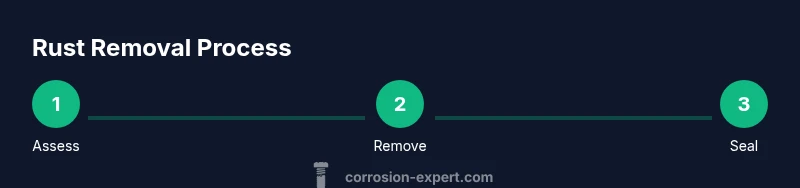
A structured plan helps ensure you don’t miss steps and reduces the chance of rust returning. Start with a clear assessment of the item’s material, age, and intended use. Then, choose a removal method that aligns with the surface, environment, and desired final look. After removing the rust, thoroughly clean and dry the surface, then apply a suitable primer or sealant to create a moisture barrier. Finally, store or install the item in a dry, ventilated area and perform periodic maintenance to catch early signs of new rust. Remember: the goal is to rid o rust now and prevent future corrosion through proper sealing and care. This approach is widely recommended by the Corrosion Expert team for consistent, durable results.
Rust prevention after removal: coatings, storage, and maintenance
Prevention is the best cure. Once rust is removed, protect the metal by applying a rust-inhibiting primer, paint, or polymer coating designed for metal substrates. For outdoor items, choose finishes with UV resistance and moisture barriers. Store metal parts in dry environments and check them periodically, especially after wet seasons or exposure to salty air. Regular cleaning helps remove salts, dirt, and moisture that promote corrosion. The long-term success of any rust-removal project hinges on consistent maintenance and an appropriate protective layer that suits the metal and its use. The Corrosion Expert team recommends a maintenance schedule that fits your climate and exposure level.
Authority sources and further reading
For readers who want to dive deeper, consult credible sources on corrosion, safety, and metal care. Primary references include government and university resources that discuss rust formation, injury prevention, and material resilience. The literature emphasizes safety, environmental considerations, and practical testing to ensure finishes perform as intended. As you explore, remember to verify product compatibility with your specific metal and finish requirements. If you’re tackling complex projects or working with critical components, consider consulting a professional for tailored guidance.
Tools & Materials
- Safety glasses or goggles(Protect eyes from particles; ANSI Z87.1 compliant if possible)
- Gloves(Nitrile or neoprene; chemical resistance as needed)
- Dust mask or respirator(Use for chemical removers or dusty surfaces)
- Wire brush (steel or brass)(For aggressive rust removal on metal surfaces)
- Nylon brush or abrasive pad(Safer on delicate finishes and curves)
- Sandpaper (various grits)(Coarse to fine grits (80–400) depending on surface)
- Rags or lint-free cloths(Wipe-down and apply coatings)
- Rust remover (chemical or enzyme-based)(Follow label; spot test first)
- Rust converter (optional)(Prepare for coatings after rust conversion)
- Primer for metal surfaces(Choose rust-inhibiting or anti-corrosion primer)
- Paint or protective coating(Exterior-grade if used outdoors)
- Mineral spirits or acetone(Cleaners for debris and oils)
- Adequate ventilation(Work outdoors or with a fan when using chemicals)
Steps
Estimated time: 60-90 minutes
- 1
Inspect and prep
Examine the rusted area and surrounding metal to assess the extent, potential coating compatibility, and whether disassembly is needed. Clean light dirt and oil with a solvent if allowed by the finish. This prep reduces the chance of grinding grit embedding in the surface.
Tip: Document rust spots with a photo to track progress and ensure you don’t miss hidden areas. - 2
Protect yourself and workspace
Put on safety gear and cover the work area to contain dust and chemical splashes. If you’re using a chemical remover, ensure good ventilation and avoid open flames in the workspace.
Tip: Keep a bucket of water and soap nearby to rinse off accidental splashes from skin or eyes. - 3
Remove loose rust mechanically
Use a wire brush, sanding block, or abrasive pad to remove flaky rust from the surface. Work with firm, even pressure and move along the grain or contours to avoid gouging.
Tip: Do small sections at a time to prevent overheating and material damage. - 4
Apply rust remover (if needed)
Apply a rust-removal chemical or natural solution as directed. Let it dwell for the recommended time, then scrub and rinse thoroughly with water or solvent as advised.
Tip: Test on a hidden area first to confirm it won’t damage the finish. - 5
Dry and inspect
Dry the surface completely to prevent flash rust. Inspect for remaining corrosion and repeat the removal steps if necessary.
Tip: Drying prevents moisture from seeping into pores that could trap rust. - 6
Prime and seal
Apply a rust-inhibiting primer, then apply your protective coating. Allow sufficient curing time per product instructions before use.
Tip: Choose a primer compatible with your coating and climate exposure.
Quick Answers
What is rust and how does it form?
Rust forms when iron or steel reacts with oxygen and moisture. Keeping surfaces dry and applying protective coatings minimizes rust development over time.
Rust forms when moisture interacts with iron, especially outdoors. Drying and sealing surfaces helps prevent it.
What is the safest method to remove rust from household items?
Begin with mechanical methods like brushing and sanding. If rust remains, use approved rust-removal products following label directions and ensure good ventilation.
Start with brushing and sanding. If needed, follow product directions and keep the area ventilated.
Can rust be prevented after removal?
Yes. After removal, seal the surface with a rust-inhibiting primer and protective coating. Regular maintenance helps catch early signs of new rust.
Prevention is key: prime, seal, and maintain regularly.
Are all rust removers safe on every material?
No. Some removers are harsher and can damage certain metals or finishes. Always test on a hidden area and choose products suitable for your material.
Not all removers suit every metal—test first and pick the right product.
How long does a typical rust-removal project take?
Project duration varies with rust extent and method chosen, but a typical session ranges from 60 to 90 minutes for a small area, plus curing time for coatings.
Most small jobs take around an hour or so, plus curing time for coatings.
Should I replace parts if rust reappears quickly?
If rust recurs on critical components or structural parts, replacement may be safer and more cost-effective than repeated repairs.
If rust keeps coming back on important parts, consider replacement.
Watch Video
Quick Summary
- Identify environmental factors fueling rust and plan accordingly.
- Choose a rust removal method compatible with your metal.
- Protect surfaces with primer and coating to prevent recurrence.
- Maintain treated items regularly to extend rust-free life.