dr rust: A Practical DIY Guide to Home Rust Removal
Learn to identify, remove, and prevent rust at home with a clear, step-by-step approach. Corrosion Expert shares practical methods for DIY enthusiasts and homeowners dealing with rust issues.


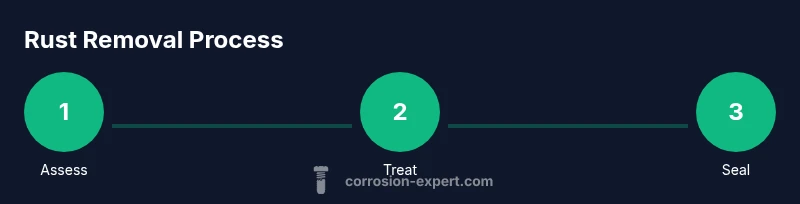
According to Corrosion Expert, you can tackle rust at home by a simple, repeatable process: assess the metal and environment, clean surfaces, treat with a rust remover suitable for the material, and seal with a protective coating. This guide provides a clear, step-by-step method you can follow for common rust challenges, from tools and appliances to outdoor metalwork, with safety tips and time estimates.
What is DR Rust and Why It Matters
DR rust is a practical approach to de-rusting metal surfaces that combines safe mechanical work with targeted chemical treatment. The goal is to restore function and extend the life of tools, appliances, and structural metal used in homes and gardens. According to Corrosion Expert, applying a structured plan to de-rust can reduce long-term corrosion risk and improve finish quality. The Corrosion Expert team found that starting with a quick surface assessment and then selecting compatible products leads to better results than ad-hoc methods. In this guide, you will learn to identify rust types, choose appropriate tools, and apply protective coatings that resist moisture and oxygen—the two main drivers of rust. The term “dr rust” is used here to describe a practical, repeatable process beginners can master, combining safe techniques with reliable results.
Safety First: Protective Gear and Risks
Working with rust involves dust particles, chemical cleaners, and potentially sharp edges. Always wear PPE and work in a well-ventilated area. The Corrosion Expert recommends safety goggles, protective gloves, and a spray mask or respirator when sanding or handling chemical rust removers. Keep kids and pets away from the workspace, and ensure good lighting and a clean surface to prevent slips and contamination. Read product labels for proper usage and disposal. If you experience irritation or dizziness, stop immediately and reassess the approach. A safe setup reduces mistakes and protects you from exposure to hazardous rust byproducts.
Assessing Your Rust Problem: Surface vs Deep Rust
Before you begin, determine whether you’re dealing with surface rust or deep, penetrating corrosion. Surface rust is a thin oxide layer that can be removed with minimal abrasion, while deep rust may compromise metal integrity and require professional evaluation. Use a simple scratch test and magnet test to gauge depth: if the metal flakes or continues to rust after gentle abrasion, you may be facing a deeper issue. Corrosion patterns around joints and seams often indicate hidden rust under coatings. Understanding the extent helps you choose the right method and avoid unnecessary work or damage. For budget-conscious DIYers, starting with mechanical removal and moving to chemistry as needed is a reliable strategy.
Choosing the Right Tools and Solutions
There is no one-size-fits-all answer for rust removal. Mechanical methods (wire brushes, sanding, or abrasive wheels) work well on light to moderate rust and preserve metal strength when used carefully. Chemical removers vary from acidic formulations to rust converters that turn rust into a stable, paint-friendly layer. For painted or coated surfaces, select compatible products that won’t degrade underlying finishes. When in doubt, test a small area first. The goal is to remove oxides, prevent re-oxidation, and prepare a surface that accepts primer and paint. Keep an eye on material compatibility—cast iron, stainless steel, and aluminum each respond differently to treatments.
Post-Removal Care: Sealing and Maintenance
Once rust is removed, sealing the surface is crucial to prevent re-rust. Apply a primer designed for metal, allow it to dry fully, and then apply a finish coat suitable for the environment (indoors vs outdoors). For outdoor or high-humidity areas, consider a rust-inhibitive topcoat and a clear sealant for extra protection. Regular maintenance is key: inspect previously treated areas at least every few months, reapply coatings as needed, and address any new rust spots promptly. Proper drying, curing, and ventilation during sealing help maximize longevity.
Tools & Materials
- Safety gloves(Nitrile or leather; protect hands from sharp edges and chemicals)
- Safety goggles(Impact-resistant eyewear to shield eyes from debris)
- Respirator or dust mask(Use organic vapor respirator for chemical cleaners)
- Wire brush or wire wheel(Attach to hand drill for efficiency)
- Sandpaper (80-220 grit)(Start coarse, finish fine for a smooth base)
- Plastic putty knife(Scrape loose rust without scratching the metal)
- Rust remover (commercial product)(Choose a product compatible with your metal)
- White vinegar or acetic acid (optional)(Natural alternative for light rust on soft metals)
- Rust converter (optional)(Converts rust to a paintable layer on moderate rust)
- Metal primer(Adheres finish coat and blocks moisture)
- Paint or protective coating for metal(Select exterior or interior grade depending on environment)
- Rags and clean cloths(For wiping surfaces and drying thoroughly)
- Water spray bottle(Useful for rinsing and damp wipe-downs)
Steps
Estimated time: 60-90 minutes
- 1
Prepare workspace and safety gear
Set up a clean, well-ventilated area. Gather PPE, lay down a drop cloth, and remove any flammables. This reduces risk and ensures you can focus on rust removal without interruptions.
Tip: Pro tip: Check the humidity level; high humidity can accelerate rusting after removal if surfaces stay damp. - 2
Identify rust type and surface area
Inspect the metal to classify rust as surface, scale, or deep. Use a scratch test and magnet test to gauge depth. Document areas that require more aggressive treatment or possible replacement.
Tip: Pro tip: Mark hotspots with chalk or tape to track progress during the workflow. - 3
Choose the removal method
Decide between mechanical, chemical, or hybrid approaches based on rust depth and material. For delicate finishes, start with gentler methods and progress to stronger options if needed.
Tip: Pro tip: Start with the least aggressive method to minimize potential damage. - 4
Apply mechanical rust removal
Use a wire brush or drill-mounted wheel to abrade the oxide layer. Work in small sections, applying steady pressure and keeping the surface cool to prevent warping.
Tip: Pro tip: Use a masked sanding line to avoid gouging adjacent areas. - 5
Apply chemical rust remover
Follow label directions for the product; apply evenly and allow the specified dwell time. Rinse thoroughly to remove residue and recheck the surface for remaining rust.
Tip: Pro tip: Wear protection and ensure good ventilation when using chemical removers. - 6
Rinse and dry completely
Wipe with clean cloths, then air-dry or use a heat source to speed drying. Any remaining moisture can cause flash rusting before coating.
Tip: Pro tip: Use a heat gun on low heat to expedite drying on metal with complex shapes. - 7
Apply rust converter or primer
If choosing a converter, apply as directed and allow cure time. Alternatively, apply a metal primer designed to block moisture before painting.
Tip: Pro tip: Do not rush primer cure; proper drying improves adhesion for the top coat. - 8
Seal with paint or protective coating
Finish with an appropriate paint or sealant. For outdoor use, select a UV-resistant, water-repellent coating and apply in thin, even coats.
Tip: Pro tip: Apply multiple thin coats rather than a single thick coat for better durability.
Quick Answers
What is the best rust remover for home use?
For beginners, start with a gentle, pH-balanced rust remover and test on a small area. If rust is stubborn, try a product designed for your material type, and always follow the label directions. Consider a rust converter only if you’re preparing for a paint finish.
For home use, start with a gentler remover and test first. If needed, choose a product matched to your material and follow the label instructions.
Is rust removal safe on painted surfaces?
Yes, but you must use removers compatible with painted metal and avoid aggressive scraping to prevent damaging the coating. In some cases, paint may need to be removed to access deeper rust, then reapplied after restoration.
Painted surfaces require careful product choice to avoid stripping the paint; you may need to reseal after treatment.
Can rust come back after treatment?
Rust can recur if moisture, salts, or oxygen exposure continues. Proper sealing, regular maintenance, and selecting a topcoat designed for the environment dramatically reduce recurrence.
Yes, rust can come back if you don’t seal and maintain the surface; choose a durable topcoat and inspect periodically.
What tools do I need for quick rust removal?
Basic tools include a safety mask, gloves, goggles, a wire brush, sandpaper, and a rust remover. For deeper rust, a drill with a wire wheel can speed up the process. Always use the least aggressive method needed.
You’ll want gloves, goggles, a mask, a wire brush, sandpaper, and a rust remover; for stubborn rust, a drill with a wire wheel helps.
How often should I re-seal treated metal?
Re-sealing frequency depends on exposure. Outdoor items may require re-coating every 1-3 years, while indoor items in dry environments can last longer. Inspect for peeling, chipping, or new rust and recoat as needed.
Check the coating every so often and recoat when you notice wear, especially outdoors.
Watch Video
Quick Summary
- Start with a safe assessment to choose the right method
- Use the least aggressive technique that reliably removes rust
- Dry surfaces thoroughly before priming and coating
- Seal promptly to prevent re-rusting
- Maintain periodically to extend the life of treated metal