Does Vinegar Get Rid of Rust? A DIY Guide
Discover whether vinegar can remove rust, when it works best, and practical step-by-step methods for safe, at-home rust removal and prevention.


Vinegar can help loosen light rust and brighten metal by dissolving iron oxide, but its effectiveness depends on rust depth and metal type. For most household projects, start with white distilled vinegar, soak or wipe the area, then scrub with a brush and rinse. Heavy corrosion may need stronger methods. Always test on a small area first and wear gloves protectively.
Does vinegar get rid of rust? How it works
Vinegar contains acetic acid, a mild organic acid that can soften iron oxide (rust) on metal surfaces. When you apply or soak rusted areas in white distilled vinegar, the acid helps dissolve the flaky oxide and lifts it away from the metal. According to Corrosion Expert, vinegar can be a safe, inexpensive first step for light surface rust on common DIY projects. The key is to manage expectations: the reaction is most effective on fresh, non-porous rust layers and on metals that tolerate mild acid exposure. If the rust is already deeply embedded or has created holes, vinegar alone will not restore structural integrity. In those cases you may need mechanical removal, rust converters, or professional treatment. For best results, pair vinegar with gentle brushing and a thorough rinse to prevent residue from attracting new rust.
In addition to effectiveness, consider the metal type and finish. Mild steels and wrought iron with protective coatings respond better to vinegar when you keep exposure brief. Stainless steels can tolerate brief vinegar exposure but may require gentler scrubbing to avoid dulling the surface. Always prioritize safety: use gloves, work in a ventilated area, and dispose of acidic rinse water properly.
How vinegar interacts with different rust depths
Surface rust, which sits on the metal's outer layer, is often most responsive to vinegar. When rust has formed a more substantial crust or pitting, the acid may only remove the top layer, leaving deeper corrosion behind. Deep, penetrating rust can compromise the base metal, requiring additional steps to avoid further damage. In some cases, rust converters or rust-removal products with stronger chelating agents can be more effective. The Corrosion Expert Team recommends starting gentle and escalating only if the rust remains after the initial treatment. This approach minimizes risk to the underlying material while giving you a clear sense of whether more aggressive methods are necessary.
Safety and compatibility to avoid pitfalls
Vinegar is generally safe for many metals but not all. On aluminum, galvanized steel, or surfaces with delicate coatings, acid exposure can cause pitting, discoloration, or coating damage. Before treating an item, test vinegar on a hidden area for color and surface integrity. Avoid using vinegar on brass alloys that have decorative finishes, as acids can alter patina or remove protective lacquer. If you’re treating cast iron cookware or tools, make sure the item is cleaned and completely dried after treatment to prevent flash rust from forming. Remember, vinegar is a tool—not a universal fix—so tailor your approach based on material and rust severity.
Step-down plan: plan, test, and escalate
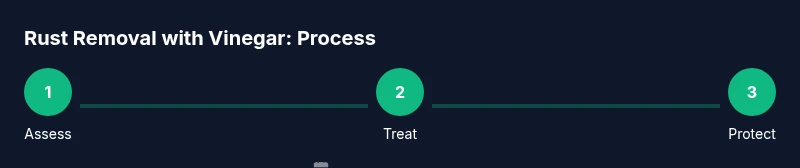
A practical approach is to start with a small, inconspicuous area. If the test spot looks fine after rinsing and drying, you can proceed to treat the larger area. For items with intricate shapes or porous surfaces, consider a soak to maximize contact between vinegar and rust, followed by mechanical scrubbing to remove loosened oxide. After treatment, neutralize the acid with a baking soda solution to slow any ongoing chemical reaction, then rinse again and dry completely before applying a protective sealant.
Practical tips for common scenarios
Different projects call for different strategies. For small tools or hardware, a 30–60 minute soak may be enough. For larger items, soaking the affected parts in a container or applying vinegar with a cloth may work better. If rust persists after the first treatment, a second round or a brief mechanical scrub with a nylon brush can help, but avoid aggressive metal brushes that can gouge the surface. The aim is to remove rust without harming the base material or finish.
What to expect in real-world use
In everyday DIY settings, vinegar is a convenient first aid for rust. It won’t replace professional rust removal when corrosion is extensive, but it can save time and money for smaller tasks. The key success factors are selecting the right vinegar, allowing adequate contact time, and following up with proper rinsing and drying. Document your process with before-and-after photos to guide future maintenance and keep your tools rust-free longer.
Summary and next steps
For light surface rust on steel, iron, or similar metals, vinegar can be a practical starting point. If rust returns quickly or deeply penetrates, pivot to stronger methods or consult a rust-removal guide. Finally, adopt a preventative routine: dry storage, light oiling, or a coat of paint or clear sealant to impede future rust formation.
Tools & Materials
- White distilled vinegar (5% acetic acid)(Use plain, unflavored vinegar. Avoid vinegars with added flavors or oils.)
- Water(For rinsing and dilution as needed.)
- Plastic container or bucket(Big enough to submerge small parts if soaking.)
- Soft brush or nylon scrub brush(Avoid metal brushes that can scratch or gouge.)
- Non-abrasive cloth or sponge(For wiping, applying, and drying.)
- Protective gloves (nitrile or latex)(Minimize skin contact with acidic solution.)
- Baking soda(Optional for neutralizing residual acid after rinsing.)
- Drying rags or air-drying space(Prevent new rust by drying promptly.)
- Optional: steel wool (very fine)(Use sparingly if stubborn spots remain; can scratch finish.)
Steps
Estimated time: 60-90 minutes (plus drying time)
- 1
Inspect and prep the metal
Examine the rust layer to assess its depth and the underlying material. Remove loose rust with a dry brush, then clean the surface with a damp cloth to remove dirt. Identify any coatings that could be damaged by acid exposure and plan your approach accordingly.
Tip: Wear gloves and test a small area first to gauge color change. - 2
Prepare the vinegar solution
Pour white distilled vinegar into the plastic container, using enough to submerge the area if soaking. If treating a small part, you can apply vinegar directly with a cloth rather than soaking. Do not dilute vinegar with water unless handling very weak rust or oversized items.
Tip: Use 5% acetic acid for predictable results; stronger vinegar variants may cause more surface impact. - 3
Apply vinegar to the rusted area
Submerge the item or apply generously with a cloth or brush, ensuring the rusted surface is in contact with the acid. For items with grooves or texture, work vinegar into the crevices with a soft brush. Let it sit for the recommended time based on rust severity.
Tip: Do not leave acidic solution on sensitive coatings for extended periods. - 4
Scrub and assess progress
After soaking, scrub the area with a nylon brush to loosen the oxide. Rinse and re-evaluate; if rust remains, you may repeat the process or switch to a gentler mechanical approach for stubborn spots.
Tip: If rust is stubborn, avoid aggressive metal brushes that could gouge the metal. - 5
Rinse and neutralize
Thoroughly rinse with clean water to remove vinegar residue. Optional: wipe with a baking soda solution to neutralize remaining acid, then rinse again. Dry the piece completely before any finishing work.
Tip: Neutralizing acid helps prevent ongoing corrosion and speeds up drying. - 6
Dry and protect
Pat dry with a clean cloth and allow to air-dry completely. Apply a protective coating such as rust-inhibiting primer, paint, or a light oil to slow future rust formation.
Tip: Seal promptly to maximize longevity and reduce wipe-down maintenance.
Quick Answers
Does vinegar remove rust permanently?
Vinegar can remove surface rust and slow its return, but it is not a permanent cure for deeply corroded metal. Ongoing maintenance and protective finish are required to prevent recurrence.
Vinegar helps remove surface rust, but deep rust often requires a longer-term maintenance approach and protective coatings to prevent return.
Can vinegar be used on aluminum or galvanized surfaces?
Vinegar can damage aluminum and galvanized coatings with prolonged exposure. It is generally best avoided on those materials or used with extreme caution and very short contact times.
Be careful with aluminum or galvanized metals; vinegar can cause pitting if exposure is too long.
How long should I soak rusted items in vinegar?
For light rust on small items, 30 to 60 minutes can be effective. Heavier rust may require longer or multiple applications, but monitor progress and avoid over-soaking.
30 to 60 minutes usually works for light rust; monitor progress and avoid long soaks on delicate surfaces.
Will vinegar damage coatings or paint?
Yes, vinegar can dull or remove existing coatings if left in contact too long. Always test on a hidden spot and rinse thoroughly.
Vinegar can damage coatings if left too long—test first and rinse well.
Do I need to neutralize the acid after using vinegar?
Neutralizing with a baking soda solution helps stop the reaction and makes drying safer before finishing.
Neutralizing acid after treatment helps prevent further corrosion and makes drying safer.
What should I do after rust removal to prevent recurrence?
Dry thoroughly, then apply a protective coating or oil. Regular maintenance and proper storage are key to long-term rust prevention.
Dry thoroughly and seal or oil the surface to keep rust away in the future.
Watch Video
Quick Summary
- Vinegar works best on light surface rust.
- Heavy rust may require stronger methods or professional help.
- Thorough rinsing and drying prevent re-oxidation.
- Protect treated metal with paint or oil to slow recurrence.