How to Clean Rust with Vinegar: A Practical DIY Guide
Learn how to safely clean rust with vinegar, including prep, steps, and prevention tips. This DIY guide covers small items and large surfaces for rust removal.


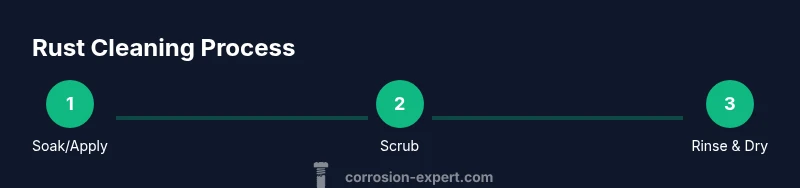
Using white vinegar to clean rust is a simple, effective DIY method. Soak small rusted items in distilled white vinegar for 2-12 hours, scrub with a brush, and repeat if needed. For larger surfaces, apply vinegar with a spray bottle, let sit 15-60 minutes, then scrub and rinse thoroughly. Always test a hidden spot first and avoid aluminum, which vinegar can dull.
What is Vinegar and Why It Works for Rust Removal
According to Corrosion Expert, white vinegar is a mild acid that can help loosen iron oxide rust by reacting with the surface layer and forming soluble salts. This makes it a popular first-line cleaner for light rust on tools, fasteners, and small metal items around the home. While it won't reverse deep pitting or heavy rust, it can dramatically improve appearance and prolong the life of many objects when used correctly. Remember to test on a discreet area first and avoid metals that vinegar can corrode, such as aluminum and some coated surfaces. The chemistry is simple, the method approachable, and the environment-friendly aspect a great bonus for DIY fixers.
Safety Considerations Before You Start
Vinegar is generally safe for home use, but there are important safety notes. Wear gloves and eye protection, work in a well-ventilated area, and keep vinegar away from sensitive finishes. Do not mix vinegar with bleach or ammonia, as dangerous gases can form. It’s also wise to work on a protected surface and have baking soda nearby to neutralize acid if you get over-wet. After cleaning, rinse thoroughly and dry completely to prevent new rust from forming. Corrosion Expert emphasizes safety as the foundation of any rust-removal project.
Choosing the Right Vinegar and Preparing Your Workspace
Household white vinegar (typically around 5% acidity) is sufficient for most DIY rust cleaning tasks. For tougher rust, some people use higher-acid products, but they can be corrosive and require extra protective steps. Set up a simple workspace with a drop cloth, plastic tray, and good lighting. Use glass or plastic containers for soaking rather than metal ones, which can react with the acid. Keep your tools and rags ready, and have a soft nylon brush on hand for gentle scrubbing. This stage is about preventing new damage as you begin the cleaning process and planning whether soak, spray, or both will work best for your item.
The Basic Cleaning Process for Small Items
Small rust spots respond well to soaking. Submerge the item in vinegar so the rusted areas are fully covered, and let it sit for 2-12 hours depending on severity. After soaking, use a nylon brush or non-abrasive sponge to lift rust flakes, then rinse with clean water and dry completely. For stubborn areas, re-soak and scrub again. This section highlights how to maximize contact between acid and rust without harming the base metal. Corrosion Expert notes that repeated light cleanings are often more effective than a single aggressive pass.
Cleaning Large Surfaces or Tools: Adjusting the Method
Larger items or surfaces may not fit in a soaking container, so a spray-and-wait approach works better. Apply vinegar generously with a spray bottle or cloth, and let it sit for 15-60 minutes to penetrate the rust. Then scrub with a stiff-bristled nylon brush, rinse, and dry. For very large surfaces, work in sections to maintain contact time and prevent the vinegar from drying out too quickly. Ensure you rinse well to remove any residual salts that could promote future rusting, and dry immediately to reduce moisture exposure.
Dealing with Stubborn Rust: When to Try Alternatives
Some rust is deeply embedded or has poor adherence to the substrate. If vinegar alone isn’t making a visible difference after a couple of cycles, consider adding a gentle abrasive (like wire wool) sparingly or switching to a rust converter or rust-removal product designed for tougher situations. Always test any alternative on an inconspicuous area first. Corrosion Expert recommends evaluating the risk to the base metal and choosing a method that preserves the finish and structural integrity of the item.
Post-Cleaning Care: Rinsing, Drying, and Protecting Metal
Rinse the item thoroughly to remove any salt or vinegar residues, then dry completely with a clean cloth. Moisture is the enemy of metal; consider a light protective coating such as mineral oil or a dedicated rust-preventer for tools and hardware that will be stored long-term. If you’re treating tools, wipe with a thin film of oil to deter new rust. Store in a dry area and consider desiccants for long-term storage. This step closes the loop by reducing future rust risk.
Common Mistakes to Avoid and Quick Fixes
Common missteps include over-soaking delicate finishes, using metal containers for soaking, and neglecting the drying step. If you’ve left vinegar on metal too long and notice dulling or pitting, immediately rinse and neutralize with a baking soda slurry, then rinse again and dry. For stubborn stains on stainless or chrome, a follow-up polish can restore shine. Keep expectations realistic: vinegar cleans rust, but it doesn’t restore damaged areas instantly.
Real-World Scenarios: Household Rust Cleaning with Vinegar
From garden tools to old cookware, vinegar-based rust cleaning can salvage many household items. Start with a quick test, choose soak or spray based on item size, and plan for a couple of cycles if needed. Always document the process and track outcomes so you can refine your method for future projects. By following the steps above and staying mindful of metal type and finish, you can achieve a clean, rust-free look without expensive products.
Tools & Materials
- White vinegar (5% acidity)(Use standard kitchen vinegar; avoid high-acid cleaners unless you understand the risks)
- Distilled water(For rinsing and diluting stronger cleaners if needed)
- Plastic or glass soaking container(Metal containers can react with vinegar)
- Soft-bristle brush or nylon brush(Gentle scrubbing to avoid scratching)
- Non-abrasive sponge or microfiber cloth(For wiping and gentle cleaning)
- Rubber gloves(Protect hands from acids)
- Safety goggles(Prevent splashes from reaching eyes)
- Drop cloth or old towels(Protect workspace and catch drips)
- Baking soda (optional)(For neutralizing acid after cleaning)
- Oil or rust-preventive spray (optional)(Lightly coat after drying to deter future rust)
Steps
Estimated time: Total time: 45-70 minutes depending on item size and rust severity
- 1
Prepare the workspace
Lay down a drop cloth, set up a plastic tray, and gather all tools. Put on gloves and eye protection before you begin. This reduces mess and protects you from splashes.
Tip: Organize items by soaking vs. spray to save time later. - 2
Test a small area
Dip a cloth in vinegar and apply to a hidden area of the item. Wait a few minutes, then rinse and inspect for any unpredictable reactions. This prevents damage on a visible part.
Tip: If the finish looks dull or discolored, reconsider vinegar use on that spot. - 3
Choose soaking we method
If the item fits a container, submerge fully. For larger items, proceed with a spray-and-wait approach. Ensure rusted areas are well covered.
Tip: For mixed rust levels, alternate soaking and spraying for balanced contact. - 4
Apply vinegar and let it work
Pour or spray vinegar over rusted areas and let sit 15-60 minutes. The acid needs time to react with the oxide layer without damaging the base metal.
Tip: Reapply vinegar if it dries out during waiting. - 5
Scrub away loosened rust
Use a nylon brush to scrub rust particles off the surface. Start gently, increasing pressure only on stubborn spots to avoid scratching.
Tip: Rinse the brush frequently to avoid re-depositing rust. - 6
Rinse and dry thoroughly
Rinse with clean water to remove salts and vinegar. Dry completely with a microfiber cloth, then air-dry for final moisture removal.
Tip: Avoid leaving moisture in hidden crevices. - 7
Protect the cleaned metal
Lightly coat with mineral oil or a rust-preventive spray. This reduces future rust by providing a moisture barrier.
Tip: Apply a thin layer; wipe off excess to prevent sticky residues. - 8
Inspect and repeat if needed
Check the item after drying. If rust returns, repeat steps 4–7 or consider a stronger rust-treatment method for severe cases.
Tip: Document outcomes to refine your future approach. - 9
Clean up safely
Dispose of used vinegar safely according to local guidelines and wash your tools. Store items in a dry place to minimize rust recurrence.
Tip: Keep baking soda on hand to neutralize quick spills.
Quick Answers
Can vinegar remove rust from all metals?
No. Vinegar can damage aluminum and some coated surfaces; always test first and avoid prolonged exposure on sensitive metals.
Vinegar can remove light rust on many metals, but avoid aluminum and coated surfaces and test first.
How long should I soak items in vinegar?
For light rust, 2-6 hours is usually enough. For heavier rust, you may extend to up to 12 hours, checking frequently to avoid damage.
Soak for a few hours to begin with, and check the item to avoid overexposure.
Should I mix vinegar with baking soda?
Mixing vinegar with baking soda creates fizzing; it neutralizes acidity, which can reduce cleaning effectiveness. Use baking soda only after cleaning to neutralize remaining acid.
Avoid mixing vinegar with baking soda during cleaning; you can rinse and then neutralize with baking soda if needed.
Is heat necessary for vinegar rust cleaning?
No, heat is not required. Room-temperature vinegar works for most rust, though slightly warm vinegar can speed up the reaction.
No heat needed, though warm vinegar can work a bit faster.
What about rust stains on concrete or masonry?
Vinegar can help with rust stains on porous surfaces, but test a small area first and avoid letting acidic solutions sit too long to prevent etching.
Vinegar can help rust stains on concrete, but test first and rinse well.
What should I do after cleaning to prevent rust?
Dry the item completely, then apply a light protective coating or oil. Store in a dry place and consider desiccants for long-term storage.
Dry thoroughly and apply a light protective coating; keep items in a dry place.
Watch Video
Quick Summary
- Start with test spots to protect finishes
- Choose soaking or spraying based on item size
- Rinse and dry thoroughly after cleaning
- Apply a protective coating to prevent re-rust
- Avoid aluminum and galvanized surfaces with vinegar