Spray Paint for Metal Rust: A DIY Guide to Durable Coatings
A practical, step-by-step guide on using spray paint for metal rust to restore and protect exposed metal surfaces. Learn prep, product selection, application, safety, and maintenance for long-lasting results.


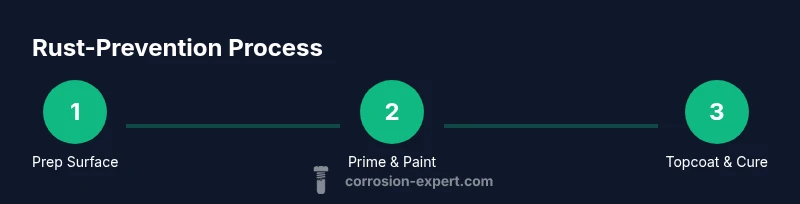
Spray paint for metal rust can restore corroded surfaces and create a protective barrier. Start by removing loose rust, cleaning and drying the surface, roughening it slightly, then applying a metal primer, followed by a rust-inhibiting spray paint and a clear topcoat. Choose outdoor-rated, corrosion-resistant products and work in good ventilation.
What spray paint for metal rust does and when to use it
Spray paint for metal rust is a targeted coating solution designed to halt the progression of corrosion and restore the appearance and functionality of metal items. Unlike generic spray paints, these formulations include rust inhibitors, adhesion boosters, and sometimes zinc-rich or etching primers to promote strong bonding with bare metal. DIY projects commonly involve garden furniture, railing, tools, and automotive trim where moisture, humidity, or exposure to salts accelerates rust. When used correctly, a high-quality rust-preventing paint can extend service life by several seasons and reduce maintenance costs. For best results, rely on products explicitly labeled for metal, with corrosion resistance ratings appropriate to your climate. According to Corrosion Expert, proper surface prep and a compatible primer are as critical as the topcoat itself for lasting protection.
note: null
Tools & Materials
- Coarse wire brush or grinder with a wire cup brush(Use to remove loose rust and scale before cleaning.)
- Degreasing solvent (e.g., mineral spirits or commercial degreaser)(Wipe surfaces to remove oils, waxes, and grease.)
- Rags or lint-free cloths(For wiping and drying after cleaning.)
- Isopropyl alcohol (optional)(Final wipe to ensure a clean, residue-free surface.)
- Sandpaper (80–120 grit) and fine-grit paper (220–320 grit)(Roughen and smooth the surface for primer adhesion.)
- Masking tape and drop cloths(Protect surrounding areas from overspray.)
- Nitrile gloves and safety goggles(Personal protection against chemicals and splash.)
- Respirator mask with organic vapor cartridge(Essential for solvent fumes in enclosed spaces.)
- Metal primer spray (etching or zinc-rich)(Improves adhesion and corrosion resistance.)
- Rust-inhibiting spray paint for metal(The main coating providing protection.)
- Clear topcoat spray (optional)(Adds UV resistance and extra wear protection.)
- Tack cloth(Lightly removes fine dust before painting.)
- Rust converter spray (optional)(Stabilizes stubborn rust when removal isn’t complete.)
Steps
Estimated time: 2-4 hours active work; 24 hours to reach handling strength; up to 7 days for full cure in some climates
- 1
Prep the rusty surface
Begin by removing loose rust with a wire brush or grinder. Wipe down with a degreaser to remove oils, then rinse with water and dry completely. A clean, dry surface ensures primer and paint bond properly.
Tip: Work in a well-ventilated area and avoid breathing rust dust; wear a mask. - 2
Roughen and clean the metal
Lightly sand the surface to create micro-abrasions that improve adhesion. Wipe with a tack cloth to remove dust, then wipe again with isopropyl alcohol for a residue-free finish.
Tip: Avoid over-sanding; you only need a dull, matte surface for good adhesion. - 3
Apply primer suitable for metal
Spray a metal primer (etching or zinc-rich) in even, light coats. Allow the primer to dry per label instructions before proceeding to paint.
Tip: Keep the can about 6–12 inches away to prevent runs. - 4
First coat: spray paint for metal rust
Apply a light, even coat, keeping strokes overlapping for full coverage. Do not flood the surface; let each coat dry as recommended.
Tip: Thin, multiple coats outperform a single heavy coat for durability. - 5
Second coat and topcoat
If needed, apply a second coat of the rust-inhibiting spray paint. Finish with a clear topcoat if outdoor exposure or heavy wear is expected.
Tip: Allow full curing time between coats for optimal adhesion. - 6
Cure and inspect
Let the coating cure undisturbed for the recommended period. Inspect for pinholes or missed spots and touch up as necessary.
Tip: Curing times vary with humidity; avoid handling until fully hardened.
Quick Answers
Can I spray paint over rust directly?
No. Remove loose rust, treat with a rust converter if needed, and prime the surface before painting. Painting over heavy rust without prep results in poor adhesion and peeling.
No—prep is essential. Remove rust, prime, and then paint for lasting results.
What prep work yields the best results?
Thorough rust removal, degreasing, drying, and a light abrasion to roughen the surface are key steps before priming.
Great prep makes the paint stick and last longer.
How long does it take for spray paint to cure?
Cure times vary by product and conditions. Plan 24 hours before handling and up to several days for full hardness in humid environments.
Most people can handle after a day, but full cure takes longer.
Is rust converter necessary?
Not always, but it can stabilize deep rust and improve adhesion when rust removal is incomplete.
It can help when rust is stubborn.
What are common mistakes to avoid?
Skipping cleaning, using the wrong primer, applying heavy coats, and painting in damp or cold conditions.
Avoid these to get a clean, durable finish.
Watch Video
Quick Summary
- Prepare metal surfaces thoroughly before painting
- Choose primers designed for metal and rust protection
- Apply thin, even coats for best durability
- Use a topcoat to maximize outdoor resistance
- Cure fully before handling or exposure to moisture