What to Spray on Rust: A Practical DIY Guide for Homeowners
Discover safe rust-spraying options, including converters, inhibitors, and protective coatings. A practical, step-by-step guide for DIYers to halt rust, restore surfaces, and protect metal long-term.


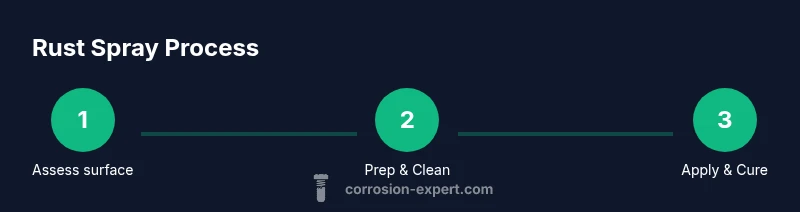
Step 1: Identify safe rust-control products like rust converters, inhibitors, and protective coatings. Step 2: Prep the surface, apply in the correct order, and finish with a sealant. This quick guide covers what to spray on rust to halt corrosion and restore metal surfaces (iron, steel, galvanized).
Why what to spray on rust matters
If you’re facing exposed metal, knowing what to spray on rust is the first line of defense against ongoing corrosion. The right product stops rust in its tracks, creates a stable base for primer, and extends the life of tools, furniture, and structural parts. According to Corrosion Expert, choosing the correct spray depends on the severity of the rust, the type of metal, and the intended environment. For example, indoor metal near humidity often benefits from rust converters followed by a protective topcoat, while heavily pitted steel outdoors may require a more aggressive converter and a robust sealant. The Corrosion Expert Team emphasizes that preparation matters most: clean, dry surfaces and proper masking reduce wasted product and overspray. This block lays the groundwork for a durable, long-lasting repair by clarifying when to use converters, when to skip to inhibitors, and how coatings protect against future moisture intrusion. In short, the right rust spray is a targeted tool, not a generic fix, and it should be chosen with surface condition in mind.
Quick context from the Corrosion Expert
Corrosion Expert highlights that surface preparation and product choice are equally important. Starting with a clean, degreased surface improves adhesion, while selecting a rust converter for active rust creates a stable, paintable layer. The goal is to halt the rust cycle, not just mask it. When used correctly, a vinyl or polyurethane topcoat can resist moisture and heat, extending the life of the treated item. Always follow the product’s safety data sheet and manufacturer directions for ventilation and curing times. This approach minimizes rework and maximizes long-term protection.
Tools & Materials
- Gloves (nitrile or work gloves)(Protect skin from chemicals and rust particles)
- Safety goggles(Eye protection against splashes and debris)
- Respirator or multi-gilter mask(Ventilate while spraying; choose appropriate cartridges)
- Ventilation setup (fans, open windows)(Keep air moving to reduce inhalation risk)
- Degreaser or isopropyl alcohol(Clean oils and residues before treatment)
- Rust converter product(Converts active rust to a stable compound)
- Rust inhibitor or primer(Forms a protective base for topcoat)
- Topcoat/clear sealant (spray or brush-on)(Protects against moisture after treatment)
- Fine-grit sandpaper or steel wool (240–400 grit)(Keyes the surface for better adhesion)
- Masking tape and drop cloths(Protect surrounding areas from overspray)
- Clean lint-free cloths(Wipe surfaces dry and free of dust)
Steps
Estimated time: 90-150 minutes
- 1
Prepare the workspace and clean the surface
Set up in a well-ventilated area and lay down cloths. Remove oils, grease, and loose rust with degreaser, then wipe dry. The goal is a clean, dry surface so coatings bond properly.
Tip: Use a plastic scraper to remove loose rust without scratching intact metal. - 2
Choose the proper rust-treatment product
Assess rust severity: light rust-friendly; heavy rust may require stronger converters. Read the label to confirm indoor/outdoor use, cure times, and safety notes before applying.
Tip: If in doubt, start with a mild converter on a small area to test adhesion. - 3
Mask nearby areas and protect surfaces
Apply masking tape to edges, joints, and non-target areas. Cover nearby items with a drop cloth to prevent overspray.
Tip: Keep your masking tight to avoid gaps that permit solvent creep. - 4
Apply rust converter following product directions
Shake or stir the converter as required. Apply evenly, ensuring all rusted zones are coated. Allow the converter to react until the color changes or until the recommended time elapses.
Tip: Avoid puddling; multiple light coats work better than one heavy coat. - 5
Rinse, wipe, and dry the treated area
If the product recommends rinsing, do so with clean water and dry thoroughly. Any remaining solvent should be evaporated before sanding.
Tip: Ensure no moisture remains in crevices to avoid trapped moisture under coatings. - 6
Apply a rust inhibitor or primer
Lock in the converter with a base coat designed to promote adhesion. Let it cure as directed before applying topcoat.
Tip: Choose a primer compatible with your topcoat for best long-term protection. - 7
Finish with a protective topcoat
Apply a clear sealant or color topcoat in thin, even layers. Allow each coat to dry fully to maximize durability.
Tip: Apply multiple thin coats rather than a single thick coat for uniform coverage. - 8
Cure and inspect
Let the entire coating cure according to the product’s instructions. Inspect for bare spots and recoat if needed.
Tip: Inspect under good lighting; look for dull spots indicating insufficient coverage.
Quick Answers
Can I use WD-40 as a rust treatment?
WD-40 is primarily a lubricant and water-displacer, not a rust converter or inhibitor. It can help clean and protect temporarily, but it won’t halt heavy rust or provide long-term protection. For serious rust, use a converter or inhibitor followed by a topcoat.
WD-40 can help with light rust and cleaning, but for lasting protection you should use rust converters and protective coatings.
Is rust-converter spray safe for indoor use?
Many rust converters are designed for indoor use if you provide adequate ventilation and follow the label. Always check the product's safety data sheet for ventilation requirements and drying times before use.
Most indoor-safe converters require good ventilation and proper drying times.
Do I need to remove all rust before spraying?
Light surface rust can be treated with converters or inhibitors without complete removal. Heavily flaked or pitted rust may require mechanical removal to create a solid substrate for coating.
You don’t always have to remove every speck of rust; converters work on active rust, but flaking rust should be removed for best results.
How long does the coating protection last?
Durations vary by product and environment, but a proper converter-plus-primer-plus-topcoat system can last months to years with proper maintenance and re-coating when signs of wear appear.
Durability depends on product choices and exposure; follow maintenance guidelines for best results.
Can I spray rust treatments on galvanized metal?
Yes, many rust sprays are formulated for galvanized surfaces, but you must choose products labeled for galvanized metal and follow the epoxy or polyurethane topcoat recommendations for best adhesion.
Galvanized steel can be treated, but pick products designed for that surface and follow cure times.
What safety gear should I wear while spraying?
Wear chemical-resistant gloves, goggles, and a respirator appropriate for the spray’s solvents. Work in a well-ventilated area and keep a fire extinguisher nearby if solvent-based products are used.
Use gloves, goggles, and a proper respirator; ensure good ventilation.
Watch Video
Quick Summary
- Identify rust type and surface before choosing a spray.
- Prepare the surface thoroughly for optimal adhesion.
- Follow a sequential application: converter → inhibitor/primer → topcoat.
- Always prioritize safety and ventilation during spraying.