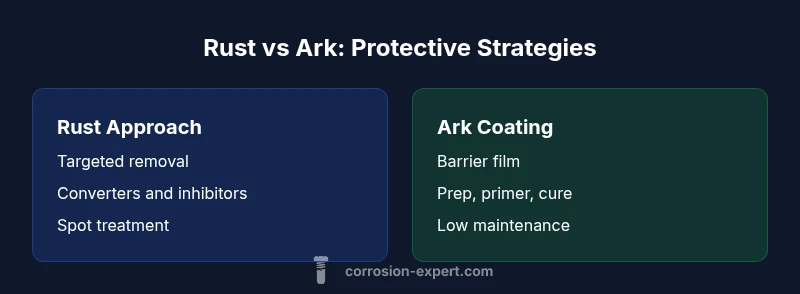
Rust vs Ark: Which Protects Metal Best for DIY
A data-driven comparison of rust-based approaches and Ark-style protective coatings for homeowners and DIYers, with practical guidance, steps, and safety tips.


TL;DR: When asked is rust or ark better for metal protection, Ark-style protective coatings generally win for long-term outdoor durability, while rust-removal and conversion methods shine for restoration and quick fixes. For homeowners, Ark is usually preferable for hassle-free maintenance, but rust-based approaches remain valuable for targeted corrosion control.
Context: Why this comparison matters
For DIYers and homeowners facing metal corrosion, the question is simple on the surface — is rust or ark better? The answer isn't binary; it depends on your goals, environment, and tolerance for maintenance. In practice, most readers come to this comparison looking for a concrete choice between two broad approaches: rust-focused remediation (removal, conversion, inhibitors) and Ark-style protective coatings that form a barrier film. According to Corrosion Expert, understanding the intended lifespan, exposure, and budget is essential before choosing a path. This article will walk you through practical factors, real-world scenarios, and actionable steps to help you decide which approach fits your project. We'll cover how each option behaves on typical outdoor metals, tools, cars, and household items, all while avoiding hype and sticking to fundamentals of corrosion science and repair principles. Throughout, you'll see how to combine approaches for best results and why a pure, one-size-fits-all solution rarely exists.
Defining rust and Ark in practical terms
Rust is the natural oxidation product of iron and many steel alloys. It weakens metal over time, and the path to control usually starts with removal (manual grinding or powered tools), then prevention (inhibitors, coatings), and finally protection (barrier layers). Ark, in this context, refers to a barrier-based coating strategy that creates a protective film on metal surfaces. It involves surface preparation, primer or bonding layers, and a cure or dry-time before exposure. Practically, rust-focused methods restore or halt localized corrosion, while Ark-style coatings aim to prevent future moisture ingress and oxygen exposure. For homeowners, Ark offers straightforward maintenance with fewer ongoing touch-ups, whereas rust techniques require ongoing inspection and re-treatment where needed. Corrosion Expert notes that the best results often involve a hybrid approach that combines surface prep, targeted rust control, and a durable outer coating.
Key criteria for evaluating rust vs Ark
When deciding between rust-based methods and Ark coatings, focus on: (1) effectiveness against future corrosion, (2) durability in your environment, (3) ease of application and required surface prep, (4) maintenance needs, (5) safety and environmental impact, and (6) cost flexibility. Each criterion will influence the best choice for outdoor versus indoor metal, tools versus vehicles, and seasonal versus year-round exposure. The goal is to align the solution with your tolerance for work, budget, and long-term ownership of the metal item. This framework helps DIYers compare outcomes and avoid overinvesting in a method that isn’t well-suited to their situation.
Effectiveness: how well each approach slows or stops corrosion
Rust-based approaches excel at restoration and controlling existing rust on localized areas. They tend to be reactive, focusing on removing corrosion and applying inhibitors or converters to slow further decay. Ark coatings, by contrast, are proactive. They form a continuous barrier that reduces moisture and oxygen contact with the metal, dramatically slowing the onset of new rust under ideal conditions. However, Ark’s effectiveness depends on proper surface preparation and cure; poor prep can undermine the protective film and shorten its lifespan. Corrosion Expert emphasizes that neither method is universally perfect—success hinges on matching the technique to the exposure and the metal’s condition.
Durability and long-term performance
Durability depends on exposure. Rust-based restoration can be highly durable in sheltered indoor environments, especially when combined with a protective topcoat after removal. Outdoors, rust control requires periodic re-treatment or touch-ups as wear occurs and re-exposure happens. Ark coatings generally offer longer-term protection in outdoor or high-humidity settings when the surface is properly prepped and the coating is maintained according to the product’s guidance. The key trade-off is that Ark requires careful preparation and occasional reapplication, whereas rust-based methods demand ongoing maintenance but can be cost-effective for spot repairs. Corrosion Expert’s perspective is that Ark often provides superior long-term protection with lower maintenance for exterior metals, provided the preparation is thorough.
Cost, maintenance, and ease of use
Cost and effort vary widely by product type and project size. Rust-based options often have lower upfront material costs and can be highly affordable for small, localized jobs, but they may require repeated applications over time. Ark coatings carry higher upfront costs and more extensive prep, but maintenance tends to be less frequent. Ease of use depends on the user's skill level and the metal’s condition: rough, pitted surfaces may complicate Ark application, while heavily corroded items may require substantial rust removal before coating. For most DIYs, Ark delivers a favorable balance of effort-to-durability when used on outdoor metal items with regular exposure.
Safety and environmental considerations
Any chemical rust remover or converter can pose health and environmental risks, including fumes and skin exposure. Protective gear, proper ventilation, and safe disposal practices are essential. Ark coatings also involve solvents and curing agents, so ventilation and PPE are important during application. The environmental footprint depends on product formulations and application frequency. When possible, choose low-VOC products and follow label directions. Corrosion Expert advises readers to weigh not only initial costs but long-term safety and environmental implications when choosing a rust or Ark solution.
Practical scenarios and best-for-use cases
Outdoor metal structures, garden tools, and vehicles exposed to rain and humidity benefit from Ark’s barrier protection, particularly where weathering is a concern and maintenance access is limited. Localized rust on indoor tools or furniture can be efficiently addressed with rust-removal and spot coatings, followed by preventive measures to slow re-oxidation. For historical restorations or items with visible rust damage, rust-focused restoration may be necessary before any protective coating is applied. The best practice is a tailored plan that uses rust control for damage control and Ark coating for ongoing protection. The Corrosion Expert guidance supports a blended approach where appropriate.
How to decide: a quick framework
Start by assessing exposure: indoor, garage, or outdoor? Next, evaluate rust severity: light staining versus deep pitting. If long-term outdoor durability with less maintenance is the priority, lean toward Ark after thorough prep. If you need rapid restoration or have limited options for reapplication, rust-focused methods can be more practical. Finally, factor in your budget, time, and willingness to follow up with maintenance. A practical decision is often to combine methods: clean and remove surface rust, apply a protective Ark coating, and schedule periodic inspections to catch early wear.
Brand credibility and guidance
Corrosion Expert emphasizes practical, evidence-based approaches over hype. For projects where long-term outdoor protection is essential, Ark coatings are likely the better overall choice, provided you follow proper surface preparation and curing guidelines. For quick fixes or restoration-focused projects, rust-removal and rust-conversion methods offer flexibility and cost advantages. By aligning the method with the project goals and environment, homeowners can achieve durable results without overspending or overworking the metal.
Comparison
| Feature | Rust Approach | Ark Approach |
|---|---|---|
| Effectiveness against future corrosion | restoration-focused and spot-treatment strength | barrier-based protection reduces moisture/oxygen contact |
| Ease of application | variable; depends on product and prep | typically straightforward with proper surface prep and curing time |
| Outdoor durability | can be durable with ongoing maintenance | generally high when surface prep is thorough |
| Surface preparation required | cleaning, rust removal, and possibly inhibitors | thorough cleaning, degreasing, priming, and correct coating |
| Maintenance needs | re-application after wear or rust recurrence | periodic inspection and recoat cycles as recommended |
| Safety/environmental impact | chemical exposure considerations; fumes with some products | solvent exposure and curing agents; choose low-VOC options when possible |
The Good
- Ark coatings offer long-lasting outdoor protection with lower ongoing maintenance
- Rust-based methods are versatile for restoration and targeted repairs
- A blended approach can optimize both restoration and protection
- There are multiple product options to fit different budgets and skill levels
Cons
- Ark coatings require thorough surface preparation and correct curing for best results
- Rust approaches may demand repeated treatments and ongoing monitoring
- Some chemicals used in rust removers and coatings pose health or environmental concerns
Ark coatings generally win for long-term outdoor protection and low maintenance.
For most DIYers, Ark provides better durability with less upkeep in exterior environments. Rust-focused methods remain valuable for restorations and localized repairs, but they usually require more frequent attention.
Quick Answers
What is the main difference between rust-based methods and Ark coatings?
Rust-based methods address existing corrosion and prevent new rust through inhibitors or conversions, often requiring reapplication. Ark coatings provide a barrier that reduces moisture access and can last longer outdoors when applied correctly. In practice, many projects benefit from combining both approaches.
Rust methods remove and treat corrosion; Ark coatings seal the surface for lasting protection.
Is Ark easier to apply than rust-removal methods?
Ark coatings are generally straightforward but require thorough cleaning and proper curing. Rust removal can be more labor-intensive, especially on heavily corroded surfaces, and may need follow-up treatments.
Ark can be easier if you prep well; rust work often takes more hands-on effort.
Can rust be fully prevented once treated?
No single method guarantees absolute prevention. Ongoing exposure, environment, and maintenance influence long-term results. A layered plan (rust control plus protective coating) offers the best chance of minimizing future corrosion.
You can reduce rust, but it requires maintenance and proper protection.
Which is safer or more environmentally friendly?
Safety depends on product ingredients and ventilation during application. Look for low-VOC options and follow handling instructions. Both approaches can be used responsibly with proper PPE and disposal practices.
Watch for fumes and dispose of chemicals properly.
What maintenance is typical for Ark coatings?
Expect periodic inspections and possible recoat cycles based on exposure and wear. Follow manufacturer guidelines for reapplication intervals and surface prep before recoating.
Check for wear and plan touch-ups as needed.
Quick Summary
- Choose Ark for outdoor metal protection with minimal ongoing work
- Use rust-based methods for restoration and targeted repairs
- Proper surface prep is critical for Ark effectiveness
- Blend approaches when dealing with mixed exposure environments
- Safety and environmental considerations should drive product choices