How to Repair Rust on a Car: Step-by-Step DIY Guide
Learn a practical, at-home method to repair rust on a car. This guide covers inspection, rust removal, priming, painting, and long-term protection to extend your vehicle’s life.


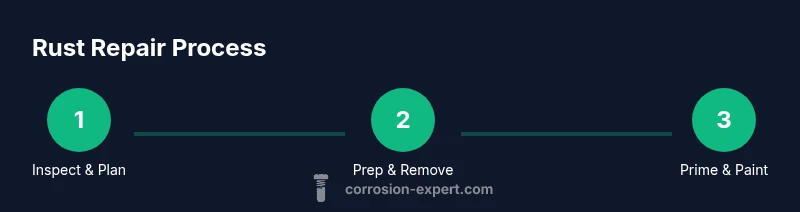
Goal: Learn a practical, at-home method to repair rust on a car from identifying damage to finishing with paint and protection. This quick guide outlines the essential steps, safety gear, and materials you’ll need, plus a clear workflow for durable results you can perform in a typical driveway or garage. It covers surface rust and light pitting, but not structural frame work.
What causes rust on a car and why it matters
According to Corrosion Expert, rust on a car happens when moisture, salts, and damaged protective coatings reach bare metal. Left unchecked, it can spread under paint and create holes or structural weakness. Understanding whether you’re dealing with surface rust, light pitting, or deeper corrosion informs your repair approach and helps you decide if a DIY fix is feasible or if you should call a pro. Early action is cheaper, easier, and yields longer-lasting results. In this guide we’ll address practical, home-friendly methods suitable for most vehicles with surface rust or shallow pits. You’ll also learn how to protect treated areas to slow future corrosion and keep your ride looking solid.
Assessing the rust damage and set repair scope
Rust repair for a car is not a one-size-fits-all job. Begin by inspecting the affected area and surrounding metal to determine if corrosion has breached the protective coating or penetrated deeply. If you observe bubbling under paint, soft edges, or flaking metal, you’re likely facing more than a cosmetic fix. For DIY repairs, narrow the scope to non-structural areas with minimal penetration. Corrosion Expert analysis shows that addressing rust in its early stages reduces both cost and effort and increases the chance of a lasting result. Mark the boundaries clearly with tape so you can feather the repair into the surrounding panel.
Safety first: protective gear and precautions
Before any work begins, equip yourself with proper safety gear. Safety glasses protect your eyes from metal shards, while gloves shield your hands from sharp edges and chemical reagents. A respirator or dust mask is essential when grinding, sanding, or applying coatings. Work in a well-ventilated area and keep a fire extinguisher nearby if you’re using solvents or paints. With heavy sanding, use a drop cloth to protect the floor and wear long sleeves to minimize skin exposure. Following these precautions reduces the risk of injury and exposure to hazardous dust or fumes.
Surface prep: cleaning and degreasing
Thorough surface prep is the foundation of a durable repair. Begin by washing the area with soap and water, then dry completely. Wipe with a degreaser or isopropyl alcohol to remove oils, waxes, and remnants of rust converter. A clean surface ensures adhesion for primers and paints. If you encounter any old, peeling coating, remove it with a plastic scraper to avoid gouging the metal. Final prepping should leave the area free of loose rust and oil, with a bright metallic sheen when viewed at the edges.
Rust removal and edge feathering techniques
Removal of loose rust is the first mechanical step. Use a wire brush or a cup brush on a drill to knock off loose flakes, followed by sanding using 80–120 grit to expose clean metal. Feather the edges of the repaired area into the surrounding panel by widening the transition zone with 180–320 grit. This feathering prevents a hard line where the new paint ends, creating a smoother final appearance. If deeper pits remain, you may need a light application of body filler to level the surface before priming.
Using rust converters and fillers for pits
For light surface rust or small pits, a rust converter can chemically transform remaining rust into a stable layer. Follow product instructions and allow the converter to cure before sanding lightly. If pits remain after converter treatment, apply a thin layer of automotive body filler and sand flush with the surrounding metal. Always use hardener-reinforced filler and avoid overfilling, which can create a noticeable ridge under paint. This step sets the stage for a solid base coat and even color.
Priming and color matching basics
Apply an epoxy automotive primer over bare metal or filler after all reactive rust has been neutralized. Priming improves adhesion and corrosion resistance. Choose a primer compatible with your topcoat and ensure the surface is clean and dry. If color matching is important, order a base coat that matches your vehicle’s factory color or a close alternative. Apply multiple light coats rather than a single heavy layer to avoid runs and sags. Allow proper flash times between coats as specified by the product label.
Paint: applying base coat and clear coat
After priming, apply the base coat in thin, even layers, keeping a consistent distance from the panel to avoid runs. Allow each layer to dry completely before applying the next. When you’re satisfied with color and coverage, install a clear coat to seal the color and provide gloss and protection against UV damage. Follow the manufacturer’s curing times and avoid exposure to moisture during curing. Properly ventilated areas and controlled temperatures yield the best results.
Finishing, polishing, and surface protection
Once the clear coat has cured, you may wet-sand with very fine grit (up to 1500–2000) to smooth any micro-scratches. Use a soft compound to bring back a uniform shine, then apply a car wax or paint sealant to protect the finish from moisture and road salts. Regular cleaning and routine inspections help you catch new rust early. Establish a simple maintenance routine: wash monthly, inspect after winter road treatment, and touch up any chips promptly to stop corrosion from taking hold.
Maintenance after repair to prevent recurrence
Rust prevention is a long-term investment. After finishing the repair, apply rust-inhibiting coatings to vulnerable patches, especially on the undercarriage and wheel wells. Keep drains clear and address chipped paint promptly to prevent water retention. Periodic inspections, especially after winter or heavy rainfall, help catch early signs of corrosion before they spread. The Corrosion Expert team recommends documenting the repair with photos and keeping a log of inspections to track wear over time.
Tools & Materials
- Safety gear (goggles, gloves, respirator or dust mask)(Eye and lung protection; choose a respirator with organic vapor cartridges for paints)
- Wire brush or cup brush attachment(For initial rust removal)
- Angle grinder or drill with sanding/wire wheel bits(Use for heavy rust; wear PPE and control speed)
- Sandpaper or sanding discs (grit 80–120, 180–320 for finish)(Progressively smooth from coarse to fine)
- Rust converter or rust remover(Follow product instructions; use on light rust only)
- Automotive epoxy primer(Etch-primer recommended for bare metal)
- Automotive body filler (bondo) and hardener(For smoothing pits after removal)
- Putty knife and spreader(For even filler application)
- Masking tape, paper, and plastic sheeting(Protect surrounding areas during painting)
- Automotive base coat (color-matched)(Select compatible with primer)
- Clear coat(Seal color and add UV protection)
- Isopropyl alcohol or automotive degreaser(Clean surface before painting)
- Rags or microfiber towels(For cleaning and wiping surfaces)
- Soft polishing pad or microfiber cloth for finishing(Optional for final shine)
Steps
Estimated time: 4-6 hours
- 1
Inspect rust and define scope
Identify whether damage is surface rust, light pits, or deeper corrosion. Mark the boundaries and plan your repair, focusing on non-structural areas first.
Tip: Take photos before starting to document progress. - 2
Gather safety gear and materials
Put on PPE and assemble your toolbox so you won’t need to pause mid-work.
Tip: Ensure ventilation when using solvents. - 3
Remove loose rust
Use a wire brush or cup wheel to knock off flaky rust and expose clean metal.
Tip: Wearing PPE, work with steady, controlled motions. - 4
Feather the edges
Sand the transition area with 180–320 grit to blend repaired zones into surrounding metal.
Tip: Feathering prevents a hard edge under paint. - 5
Apply rust converter if needed
Treat remaining rust with converter per product instructions and let cure.
Tip: Do not over-apply; thick layers can peel. - 6
Fill pits with body filler
Mix filler and hardener, apply a thin layer to shallow pits, and smooth with a spreader.
Tip: Avoid excessive filler; it adds weight and can crack. - 7
Sand filler flush
Sand the filled area flush with surrounding metal using 180–320 grit.
Tip: Work in small, overlapping passes for even surface. - 8
Apply epoxy primer
Spray or brush a thin, even coat of epoxy primer over bare metal and filler.
Tip: Keep coats light to avoid runs and ensure full coverage. - 9
Base coat application
Apply color-matched base coats in multiple light layers, allowing proper flash time.
Tip: Don’t rush; even coverage matters for color match. - 10
Seal with clear coat
Finish with a clear coat to protect the color and provide UV resistance.
Tip: Follow curing times; avoid moisture during curing. - 11
Finish and polish
Wet-sand lightly after curing and polish to restore gloss.
Tip: Use a clean cloth to avoid introducing scratches. - 12
Inspect and maintain
Check for new rust spots after a few weeks and re-seal as needed.
Tip: Document repairs for future reference.
Quick Answers
Can I just paint over rust and call it done?
Painting over rust without proper removal and treatment is unlikely to stop corrosion. At minimum, remove loose rust, treat with rust converter, and prime before painting. For significant rust, professional repair may be required.
Painting over rust is usually not sufficient. Remove the rust, treat and prime, then paint to prevent recurrence.
How long does a DIY rust repair typically take?
A straightforward surface-rust repair can take half a day, while more complex pits and multiple coats may extend to a full day. Allow drying times between coats as recommended by the products you use.
Most DIY rust repairs take several hours, including prep, paint, and cure times.
Is a rust converter effective for all cases?
Rust converters work best on light, non-structural rust. They convert iron oxide to a stable compound but do not restore metal strength. Heavier rust may require sanding and patching or replacement.
Converters are useful for light rust but not a substitute for metal repair on heavy corrosion.
When should I call a professional?
If rust has penetrated structural components, bulkhead areas, or the underbody with corrosion compromising safety, professional repair is advised. A professional can assess structural integrity and perform welds and coatings properly.
If there’s structural rust, a pro should handle it.
What can I do to prevent rust in the future?
Regular washing, especially in winter locales, undercoating, prompt repair of chips, and protective coatings help prevent rust recurrence. Keep an eye on wheel wells and pinch welds where water and salt accumulate.
Keep your car clean, protect vulnerable areas, and repair chips promptly.
Watch Video
Quick Summary
- Identify rust type and scope before starting.
- Proper surface prep is as critical as the repair itself.
- Use feathering to blend repairs into the surrounding metal.
- Follow with primer, color, and clear coat for durable protection.
- Maintain repaired areas to prevent recurrence.