Why Does Rust Run So Bad? A DIY Rust Guide for Homeowners
Urgent, actionable guide to diagnosing why rust runs so bad, stopping progression, and preventing recurrence with simple home techniques and when to call a pro.


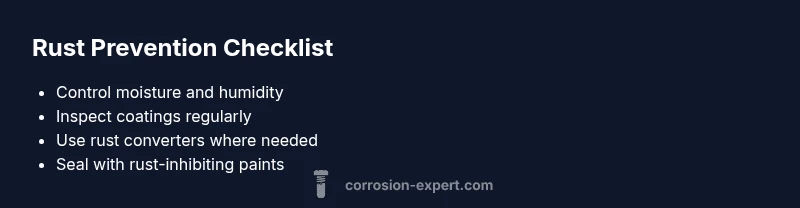
Rust running badly usually points to ongoing moisture exposure, damaged protective coatings, and failure to seal vulnerable areas. Start with drying and cleaning the affected spot, apply a rust converter or primer, then seal with a protective coating. If corrosion is extensive or structural, escalate to professional repair.
Why does rust run so bad
Rust isn’t a single event but a progression driven by moisture, oxygen, and the failure of protective coatings. When you ask, why does rust run so bad, you’re really asking why rust keeps spreading from a small patch to a larger area. In many homes, daily humidity, rain exposure, and road or coastal salt accelerate corrosion. Untreated or poorly protected steel surfaces form iron oxide that darkens, pits, and flakes, creating tiny pockets that trap moisture and heat up the corrosion cycle. The quickest way to interrupt this progression is to reduce moisture, remove loose oxide, and seal the surface with a rust-inhibiting product. The Corrosion Expert team emphasizes that early intervention can slow or halt spread, giving you crucial time to repair or replace affected components. Safety matters: if rust is on load-bearing structures or gas lines, treat as urgent and involve a pro.
bold:
Takeaway
- Remove the source of moisture; dry artifacts thoroughly; store in a dry environment.
Steps
Estimated time: 2-4 hours
- 1
Assess safety and scope
Before you touch the rust, ensure area is safe to work on. If it’s a load-bearing structure or part of a gas line, stop and call a professional. Wear PPE: gloves, eye protection, and a dust mask. Document the area to track progress.
Tip: Take photos from multiple angles to compare before/after results. - 2
Dry and clean the surface
Use a clean cloth to remove surface moisture, then scrub with a stiff brush to remove loose rust and debris. For stubborn corrosion, a mild rust remover or phosphoric acid-based cleaner can help. Rinse and allow to dry completely.
Tip: Work in a well-ventilated area and avoid prolonged exposure to chemicals. - 3
Apply rust converter or primer
Apply a rust converter to chemically convert iron oxide to a stable compound, then let it cure according to product instructions. If you prefer a barrier, use a rust-inhibiting primer designed for metal surfaces.
Tip: Test a small area first to ensure compatibility with the substrate. - 4
Seal with topcoat or protective layer
Seal the surface with a high-quality topcoat or epoxy sealant. For outdoor or humid environments, choose UV-stable, weatherproof coatings. Allow the coating to cure fully before exposure to moisture.
Tip: Apply in thin, even coats to avoid runs or air pockets. - 5
Establish a maintenance routine
Schedule regular inspections, touch-up any chips, and promptly address new rust spots. Keep surfaces dry, wipe away condensation, and consider protective covers or barriers in high-moisture areas.
Tip: Set reminders to recheck every 6–12 months. - 6
Evaluate progress and safety
Review the repaired area for flaking, color change, or continued rust. If you notice structural weakening or rust behind coatings, escalate to a professional. Document outcomes for future reference.
Tip: If in doubt, seek a professional assessment sooner rather than later.
Diagnosis: Visible rust on metal surfaces that continues to spread after cleaning and drying
Possible Causes
- highPersistent moisture exposure from leaks, humidity, or condensation
- highDamaged or worn protective coatings that no longer shield against moisture
- mediumExposure to salt (road salt or coastal salt) accelerating corrosion
- lowGalvanic corrosion from dissimilar metals in contact
Fixes
- easyAddress moisture sources (fix leaks, dehumidify, improved drainage)
- easyRebuild protection with rust converter and primer to neutralize active rust
- mediumSand and recoat with rust-inhibiting paint or epoxy sealant
- hardReplace severely corroded parts or switch to corrosion-resistant alloys
Quick Answers
What is the quickest method to stop rust from spreading?
The fastest approach is to immediately remove moisture, dry the surface, apply a rust converter to neutralize active rust, and seal with a rust-inhibiting primer followed by a topcoat. This creates a barrier that slows further progression.
Dry, treat, and seal the area quickly to slow rust spread; then seal for protection.
Is rust always a sign of structural damage?
Not always. Surface rust can often be treated without affecting structural integrity, but rust that has penetrated through metal or reduced thickness may compromise strength. Always assess thickness and any soft spots.
Surface rust isn’t always structural damage, but deep corrosion can be a safety issue.
Can you safely remove rust from galvanized metal?
Yes, but galvanized steel requires gentler methods that preserve the zinc coating. Use non-abrasive cleaning and corrosion inhibitors designed for galvanized surfaces; heavy grinding can remove the protective coating.
Galvanized metal can be treated, but avoid aggressive grinding that damages the zinc layer.
Should I use chemical rust converters on load-bearing parts?
Avoid relying solely on converters for load-bearing components. They can stop surface rust but may not restore structural integrity. For critical parts, consult a professional and consider replacement.
Converters can help, but don’t rely on them alone for critical parts.
What are signs rust has penetrated deeply?
Look for deep pits, flaking, rust under coatings, and noticeable thinning of metal. If you see these signs, the area may need professional assessment or replacement.
Deep pits and flaking signal more serious damage.
How often should I inspect for rust on outdoor metal objects?
Inspect at least every 6–12 months, more often in coastal or wet environments. Promptly address new spots before they spread.
Check metal surfaces at least once a year, sooner if you live near the sea or salt roads.
Watch Video
Quick Summary
- Take immediate action to remove moisture and loose rust.
- Use rust converters or primers to halt spread before priming.
- Seal and maintain coatings to prevent recurrence.
- For structural rust or extensive area damage, call a professional.