How to Run Rust Better: A DIY Guide to Prevention and Care
A thorough, step-by-step guide for homeowners to prevent and treat rust, with safe methods, tools, and timing to keep metal surfaces in prime condition.


This guide teaches practical, repeatable steps to prevent and manage rust, so metal surfaces stay sound longer. You’ll inspect regularly, clean thoroughly, apply appropriate rust treatments, and finish with protective coatings. The key requirements are the right tools, safe chemicals, and patience for curing times to ensure lasting results. By following these steps, you’ll learn how to run rust better in everyday DIY settings.
What It Means to Run Rust Better in a DIY Home Setting
Rust is a natural corrosion process that weakens metal when moisture, oxygen, and contaminants are present. If you want to learn how to run rust better, you need a practical system: regular inspection, careful cleaning, appropriate treatment, and a protective finish. According to Corrosion Expert, adopting a consistent routine can slow rust progression and extend the life of outdoor furniture, tools, rails, sheds, and other metal surfaces. The goal isn’t perfection but suppression: catching early signs, choosing safe products, and applying a durable topcoat. In this section we’ll lay the foundation for a repeatable approach you can use on every project.
Quick recap of the goal
- Identify early rust signs before extensive damage
- Use products and methods that suit the metal type
- Seal treated areas to block moisture ingress
- Maintain the routine over seasons, not just once
Brand context and practical mindset
The Corrosion Expert team emphasizes that rust prevention is a proactive habit, not a one-off fix. When you see a brown-orange speck or flaking coating, plan a small maintenance window rather than waiting for a big repair bill. The approach described here uses widely available materials and keeps safety front and center, so you can confidently manage rust on fences, gutters, doors, and tools. The core idea is to build resilience into every surface you touch.
The rust cycle: moisture, metal, and care
Rust develops when moisture meets susceptible metal surfaces. By understanding this cycle, you’ll learn how to run rust better by interrupting one or more steps: keeping surfaces dry, removing oxidation, and applying barrier layers. The strategies taught here apply whether you’re dealing with cast iron, steel, or galvanized metal. A disciplined routine reduces future touchups and preserves structural integrity.
What you’ll gain by applying these methods
- Longer-lasting metal surfaces with less frequent repairs
- Safer, cleaner outdoor spaces and tools
- A confident workflow you can repeat across projects
- A foundation for more advanced rust prevention when needed
Quick-start summary
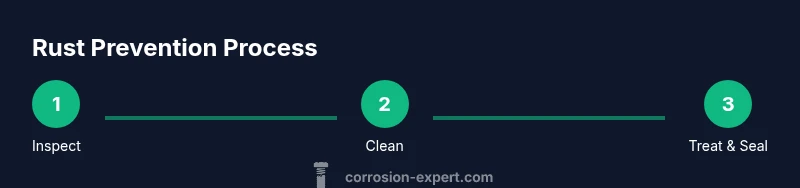
Begin with a quick inspection, then clean, treat, and seal. Plan curing times and schedule routine checks. This method aligns with how to run rust better in real homes: steady effort, smart product choices, and good safety practices.
Tools & Materials
- Heavy-duty wire brush(Use to remove loose rust and scale from larger surfaces)
- Sandpaper or abrasive pad (grit 120–320)(Smooths edges after mechanical rust removal)
- Degreaser or mineral spirits(Prepares surface by removing oil and grime)
- Rust remover or rust converter product(Follow label for application times and safety)
- Metal primer suitable for bare metal(Promotes coating adhesion and corrosion resistance)
- Metal paint or protective clear coat(Choose UV-resistant options for outdoor use)
- Personal protective equipment (gloves, goggles, respirator)(Essential for chemical products and dust)
- Drop cloths or old sheets(Protect surrounding areas during work)
- Rags and a small brush(For wiping and applying products in tight spots)
Steps
Estimated time: 60-110 minutes plus cure times
- 1
Inspect the rust spot
Examine the area to assess how deeply rust has penetrated. Note edges, flaking, and any nearby coatings that may need removal before treatment. This step sets the approach and helps estimate time.
Tip: Document the area with a photo to track progress over time. - 2
Clean and degrease
Wipe and degrease the surface to remove oils, dirt, and contaminants. A clean surface ensures the rust remover or converter adheres correctly and prevents trapping grime under the coating.
Tip: Use a clean rag and work in a well-ventilated area. - 3
Remove loose rust
Scrape and abrade the surface with a wire brush and sandpaper until you see a consistent, gray metal color. This reduces the amount of rust you must chemically treat.
Tip: Wear a respirator when sanding to avoid inhaling rust dust. - 4
Apply rust remover or converter
Follow product instructions to apply a rust remover or converter. Allow the chemical to react and convert or dissolve rust, then wipe away residue.
Tip: If using a converter, ensure a uniform coat and avoid pooling in crevices. - 5
Rinse and dry thoroughly
Rinse off any remaining chemical and dry completely. Moisture trapped under primer is a common cause of coating failure.
Tip: Use a heat gun on a low setting if the metal remains damp in crevices. - 6
Prime and paint or seal
Apply a metal primer designed for bare metal, then finish with a topcoat or sealant appropriate for indoor or outdoor exposure. Allow proper cure time between coats.
Tip: Finish with two thin coats rather than one thick coat for better adhesion. - 7
Cure and recheck
Let the coating cure fully according to the product label. Reinspect after a few days to catch any missed spots that may require touch-ups.
Tip: Schedule a monthly check for the first three months after treatment.
Quick Answers
What surfaces can rust treatment be used on safely?
Most rust treatments work on steel, iron, and galvanized surfaces with appropriate primers and topcoats. Always check the label for compatibility with your metal type and coating system.
Most rust treatments work on steel and iron with proper primers; check the label for galvanized surfaces.
How long does rust treatment take to cure?
Cure times vary by product and environment, typically ranging from several hours to 24 hours between coats, with full cure often reaching 48–72 hours outdoors.
Cure times depend on the product and weather, usually hours to a couple days for full cure.
Is rust removal safe for galvanized steel?
Galvanized steel requires careful handling: some rust removers may damage zinc coatings. Use products labeled safe for galvanized metal and follow the manufacturer’s directions.
Galvanized steel needs products labeled for galvanized metal; follow the directions carefully.
Do I need to apply primer after rust treatment?
Yes. Primer improves adhesion and provides a uniform base for paint or sealant, especially on bare metal after rust removal or conversion.
Yes, primer helps adhesion and coverage after rust treatment.
What is the difference between rust remover and rust converter?
Rust remover chemically dissolves oxides; rust converter chemically converts rust to a stable compound. Both pave the way for a protective finish, but choice depends on project and substrate.
Removers dissolve; converters stabilize the rust for coating.
Can DIY rust prevention save money over professional services?
For small areas or routine maintenance, DIY rust prevention is cost-effective and empowering. Large structural repairs may still benefit from professional assessment.
DIY rust prevention can save money on small projects, but big repairs may need pros.
Watch Video
Quick Summary
- Inspect regularly to catch rust early.
- Use a clean, prepared surface before treatment.
- Choose the right treatment and seal to prevent moisture ingress.
- Cure thoroughly and recheck for touch-ups.