Rust Water Treatment: A Practical DIY Guide
Learn practical steps to diagnose, remove, and prevent rust in your water supply with safe methods, DIY-friendly treatment options, and maintenance tips from Corrosion Expert.


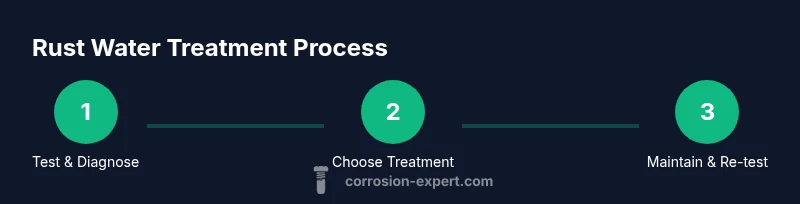
This guide helps you diagnose rust in water, choose practical treatment methods, and implement safe, DIY-friendly steps. You’ll learn to test iron content, install filtration or oxidation systems, and maintain fixtures to reduce staining and mineral limits. Corrosion Expert provides practical, non-hypothetical methods suitable for most homes. Always re-test water after any treatment and adjust as needed.
Understanding Why Rust Appears in Household Water
Rust in household water is usually caused by iron compounds in the supply, old galvanized pipes, or rusting metal components in plumbing. When iron-rich water comes into contact with oxygen, iron oxide forms, which appears as reddish-brown stains on fixtures, sinks, and appliances. There are two main iron forms to watch for: dissolved iron (ferrous) and particulate iron (ferric). Dissolved iron can turn clear water cloudy or colorless until it oxidizes, while particulate iron shows as visible rust particles.
According to Corrosion Expert, the most common sources are groundwater with high iron content and aging piping that corrodes from the inside. Understanding the source helps you choose the right treatment—whether you improve filtration, adjust treatment chemistry, or replace corroded piping. The goal is to reduce staining, minimize taste or odor issues, and protect plumbing from long-term damage. This section sets the stage for practical steps that follow.
Diagnosing Rust in Your System: Signs, Tests, and Limits
Rust symptoms are often visible: orange or brown water, staining on sinks and fixtures, and reddish deposits on glassware or plumbing aerators. If you notice these signs, start with a basic iron test using a home test strip and a water sample from cold taps. For a clearer picture, you may send a sample to a local lab or utility provider for iron concentration and pH analysis. Distinguish between dissolved iron (which requires oxidizing filters or pH adjustment) and sediment iron (which benefits from physical filtration).
The Corrosion Expert analysis suggests pairing tests with a quick inspection of piping materials. If your home uses galvanized steel, low-cost replacements can dramatically reduce future rust. Kit-based tests can guide you toward the most effective treatment path and help you estimate maintenance needs over time.
Types of Rust in Water: Sedimentary vs Dissolved Iron
Iron in water manifests in two fundamental forms, each demanding different approaches. Sedimentary iron is particulate and tends to settle out or be captured by physical filters. Dissolved iron remains in solution and requires oxidation or specialized iron filtration to convert dissolved iron into a filter-tractable particle. Recognizing the form helps you pick the right filter media, such as an oxidizing iron filter for dissolved iron or a simple sediment pre-filter for particulates.
A practical rule: if you see color in water but filters remove it gradually, you’re likely dealing with dissolved iron needing oxidation. If color and sediment persist even after filtration, consider a different configuration or a multi-stage system. Accurate identification reduces unnecessary upgrades and extends the life of your plumbing.
Common Methods for Removing Rust from Water and Surfaces
There are several practical methods homeowners can deploy without heavy remodeling. Physical filtration using sediment pre-filters and iron-specific filters can remove particulate iron. For dissolved iron, oxidation-based systems—such as oxidizing filters or chemical oxidants—convert iron into a filterable form. In some cases, water softeners or catalytic carbon filters help with taste and staining. Remember to choose filters sized to your flow rate and water usage to avoid pressure drops. Always follow manufacturer instructions for safe operation and maintenance.
Maintenance is crucial: replace filters on schedule, keep system clean, and periodically test water to confirm continued effectiveness. This approach balances cost and performance while protecting fixtures and appliances from rust-related wear.
Preventive Strategies: Reducing Rust Before It Enters Your Home
Prevention starts at the source. Using corrosion-resistant piping materials like copper, PEX, or CPVC for new installations limits future rust formation. If you rely on well water, pre-treatment such as iron media filters or aeration can reduce iron before it enters the home. Regular flushing of old water lines and avoiding prolonged stagnation helps minimize sediment build-up. Upgrading to a home filtration system with a dedicated iron removal stage can dramatically reduce staining and prolong the life of fixtures.
The Corrosion Expert notes that preventing rust also means monitoring water chemistry. Keeping pH within a balanced range reduces iron oxidation rates and makes filtration more effective. A well-planned preventive approach reduces emergency fixes and keeps your water clear and safe for daily use.
Safe and Effective Cleaning: DIY Methods with Household Chemicals
For DIY cleaning, start with non-abrasive methods to avoid scratching surfaces. A citric acid or vinegar solution can dissolve mineral deposits and lightly corroded surfaces around fixtures, taps, and showerheads. Soak removable parts in a mild acid solution, then scrub with a non-metallic brush and rinse thoroughly. Never mix household cleaners such as chlorine bleach with ammonia or acids in unventilated areas, as this can release dangerous gases. Always wear gloves and eye protection when handling cleaning solutions, and test a small area first.
After cleaning, flush fixtures with clean water to remove any remaining residue. If you notice recurring staining, it may indicate a continuing iron source that requires filtration or more in-depth treatment.
Water Treatment Options for Whole-House Systems
Whole-house solutions address rust at the source, reducing staining across the home. Iron filters that capture ferric and ferrous iron are common, as are oxidation-based filters that convert dissolved iron to a filterable form. Aeration-based systems introduce air to oxidize iron before filtration, which can improve effectiveness. If your water also contains manganese or hard minerals, you may need a multi-stage system. A professional design considers flow rate, water chemistry, and the number of fixtures to ensure consistent performance.
Budget-conscious homeowners can start with a pre-filter and a single-usage iron filter and then scale up as needed. Regular maintenance, including filter changes and system sanitization, is essential to keep rust control effective long-term.
When to Call a Professional
If corrosion has progressed to leaking pipes, extensive staining, or complex well-water chemistry, a licensed plumber or water-treatment specialist should assess your system. A professional can calculate the correct filter size, verify chemistry balance (pH, hardness), and ensure code-compliant installation. In some cases, replacing aging piping may be the most cost-effective long-term solution. Early consultation can prevent costly retrofits and ensure your water remains safe and clear.
Getting a professional evaluation also helps you plan maintenance schedules and budget for potential upgrades. A third-party assessment provides peace of mind and reduces the risk of under- or over-treating the water.
Maintaining Clean Water: Routine Checks and Maintenance Schedule
Establish a simple routine to keep rust under control. Test your water for iron every 6–12 months or after any major plumbing work. Replace pre-filters and iron-specific cartridges as recommended by the manufacturer. Keep a log of tests, maintenance dates, and any color or taste changes to catch trends early. Periodic flushing of stagnant lines in rarely-used fixtures helps prevent sediment buildup.
A proactive maintenance approach minimizes staining and reduces the likelihood of sudden failures. Your ongoing diligence keeps water quality high and plumbing healthier over time.
Tools & Materials
- Eye protection and gloves(Chemical cleaning and handling safety)
- Soft-bristled brush or non-metal scrub pad(For gentle cleaning of fixtures)
- Citric acid crystals or white vinegar(DIY descaling solution)
- Lemon juice or citric acid-based cleaner (optional)(Alternative descaler)
- Plastic bucket or container(Soak parts safely)
- Water testing kit for iron (or test strips)(Initial and follow-up testing)
- pH test strips(To monitor acidity/alkalinity)
- Replaceable iron filter cartridge(If using cartridge-based filtration)
- Pre-filter housing (for whole-house system)(Optional upgrade)
- Wrench set (non-sparking, plastic fittings)(Tightening and assembly)
- Teflon tape or pipe sealant(Seal connections)
- Rags or microfiber cloths(Clean and dry surfaces)
Steps
Estimated time: 2-4 hours
- 1
Assess the situation and gather safety gear
Identify visible rust signs and collect basic safety gear. Wear gloves and eye protection, and prep your workspace with rags and containers. This step reduces spill risk and ensures you have everything at hand before starting.
Tip: Lay out tools in order of use to minimize searching during the process. - 2
Test water for iron content
Use an iron test kit to measure dissolved iron and check pH. Collect water from cold taps for accuracy. Record results to guide your treatment choice and to monitor changes after treatment.
Tip: If iron levels are high, plan for an oxidation or filtration approach rather than simple descaling. - 3
Choose a treatment approach
Based on tests, decide between filtration (physical or iron-specific), oxidation, or a combination. Consider whole-house versus point-of-use options depending on the problem scope. Ensure compatibility with your plumbing.
Tip: Start with the least invasive solution that addresses the root cause. - 4
Install or upgrade filters
Install a pre-filter for particulates and an iron-removal stage if needed. Ensure proper flow and seal connections. If you’re using a whole-house system, verify that it’s sized for your home.
Tip: Follow manufacturer torque specs to avoid leaks. - 5
Clean affected fixtures
Soak faucets and showerheads in a citric acid solution to dissolve mineral buildup. Scrub gently, rinse, and reassemble. This reduces staining and improves flow.
Tip: Test any new cleaning solution on a small area first. - 6
Flush and test after installation
Run water through the system for several minutes to clear residues. Re-test iron levels and pH to confirm treatment effectiveness. Check for leaks and monitor water clarity.
Tip: Keep a log of test results and maintenance steps. - 7
Schedule maintenance
Create a routine for filter changes, system sanitization, and periodic testing. Adjust maintenance timing based on water usage and seasonal changes. Keep parts on hand for quick replacements.
Tip: Set calendar reminders to stay on top of maintenance. - 8
Assess results and iterate if needed
Compare post-treatment test results with initial readings. If rust persists, reassess source and consider professional assessment for deeper issues. A stepped approach helps you avoid over-treating.
Tip: Don’t hesitate to escalate if tests show limited improvement. - 9
Document and educate household
Maintain a simple record of tests, treatments, and changes in water appearance or taste. Share learnings with household members so everyone notices anomalies early.
Tip: A shared log helps catch trends that single data points miss.
Quick Answers
What causes rust in residential water supplies?
Rust in residential water is usually due to iron in groundwater or corroding pipes. Aging plumbing and galvanized steel fittings contribute to rust formation. Identifying the source helps determine whether filtration, piping replacement, or water chemistry adjustments are needed.
Rust in your water is typically caused by iron in groundwater or aging pipes. Finding the source helps decide whether filtration or pipe replacement is needed.
How can I test iron levels at home?
Use a simple iron test kit or strips to measure dissolved iron and compare results over time. For more accuracy, send a sample to a local lab. Pair iron tests with pH checks for a complete picture.
You can test iron with a home kit or strips, and consider sending one sample to a lab for accuracy.
Is rust in water harmful to health?
Iron in drinking water is generally not a health hazard at typical levels, but high iron can indicate other water quality issues. Staining and taste problems are common, and long-term corrosion can affect plumbing. Address iron to protect fixtures and comfort.
Iron in water isn’t usually a health risk at normal levels, but it can stain fixtures and hint at other water quality issues.
What filtration options remove rust effectively?
Filtration options include sediment pre-filters, iron removal filters, and oxidation-based systems. The best choice depends on whether iron is dissolved or particulate. A multi-stage setup often yields the most reliable results.
Filters like sediment and iron-removal or oxidation-based systems work well, depending on the iron form.
Is rust staining the same as rust in water?
Rust staining refers to surface deposits caused by iron particles; rust in water can mean dissolved iron in solution. Both indicate iron presence, but treatment differs: filters for particulates vs oxidation/filtration for dissolved iron.
Staining happens from iron particles, while dissolved iron affects water chemistry; treatment varies by form.
How often should I test water after treatment?
Test water 1–3 months after initial treatment, then every 6–12 months to confirm stability. If you notice changes in color, taste, or staining, re-test sooner and adjust your system.
Test after treatment, then keep a schedule every 6–12 months, and test sooner if you notice changes.
Watch Video
Quick Summary
- Identify rust sources before treatment to tailor the approach.
- Use appropriate filtration for iron form present (dissolved vs particulate).
- Test water after treatment and adjust as needed.
- Regular maintenance prevents recurrence and protects plumbing.
- Consider professional help for complex or persistent rust.