Rust Remover for Bathtub: Safe DIY Cleaning Guide
Learn safe, proven methods to remove rust from your bathtub. This guide covers choosing the right rust remover for bathtub surfaces, proper testing, application, and prevention of future stains.


By the end, you’ll confidently remove bathtub rust using safe, consumer-grade cleaners that protect enamel. This guide covers choosing the right rust remover for bathtub surfaces, testing a hidden area, proper application, gentle scrubbing, thorough rinsing, and ongoing prevention to keep your tub bright and rust-free. It also warns about common mistakes and when to seek professional help.
Understanding rust on bathtubs
Rust on bathtubs is usually cosmetic staining rather than structural corrosion, but if left untreated it can penetrate enamel. According to Corrosion Expert, the most common culprits are mineral-rich water, standing moisture, and older fixtures that lack protective coatings. The rust remover for bathtub you choose should be gentle on enamel, avoid abrasive scrubs, and work with the tub's finish. Natural options like vinegar or lemon juice can help mild stains, but stubborn rust often requires a dedicated rust remover designed for bathroom surfaces. Before you begin, confirm that the discoloration is rust and not mineral deposits or soap scum; rust stains typically appear reddish-brown and penetrate the surface slightly rather than sitting on top. Testing a small inconspicuous area gives you a baseline for color change and any adverse reactions. If you detect dulling, scratching, or etching, stop and switch to a gentler approach. Always ensure good ventilation and wear protective gloves during any treatment. With the right approach, you can restore a bright, glossy tub without expensive refinishing. Rust stains can be stubborn, but with a careful plan you’ll see noticeable improvement.
Choosing the right rust remover for bathtub surfaces
The market offers a spectrum of rust removers designed for bathroom enamel, ceramic, and acrylic tubs. For light staining, milder cleaners, natural options, and paste-based products are often sufficient and gentler on surfaces. For heavier rust, look for products marketed as safe for enamel and bathroom fixtures, ideally labeled as rust removers for bathtub use. If you prefer natural methods, white vinegar or citric acid can help dissolve mineralized rust, but expect longer dwell times and more frequent reapplication. Always check compatibility with your tub material (porcelain enamel, acrylic, fiberglass, or ceramic) and avoid abrasive pads that can scratch. Corrosion Expert's guidance suggests starting with a patch test and escalating to a stronger remover only if the test area shows no adverse effects. Remember, the goal is to lift stains without dulling shine or creating micro-scratches. A thoughtful choice of rust remover for bathtub surfaces reduces the risk of damage while delivering a cleaner, brighter tub.
Safety and environmental considerations
Safety first when dealing with rust removers. Always wear gloves and eye protection, and ventilate the bathroom well. Never mix rust removers with bleach, ammonia, or other cleaners, as chemical reactions can release dangerous fumes. Choose products with clear ingredient lists and follow label directions precisely. If you prefer eco-friendly options, look for rust removers that are phosphate-free or labeled as environmentally responsible. Keep children and pets away during treatment. After use, rinse thoroughly with plenty of water and dispose of waste according to local guidelines. Corrosion Expert emphasizes avoiding prolonged exposure to strong acids, especially on delicate finishes. With proper safety practices, you can avoid skin irritation, fumes, and damage to your bathroom surfaces.
Prep, patch test, and patching technique
Preparation sets the stage for success. Clear the area, remove bath mats, and lay down towels to protect surrounding surfaces. Patch testing is essential: apply a small amount of the rust remover to a hidden spot and wait the recommended dwell time. If there’s no color change or adverse reaction after the test, proceed to apply to the visible rust stain. Use a non-abrasive sponge or cloth to apply gently in a circular motion and monitor the surface for any changes. Avoid metal tools that can scratch enamel; instead, rely on soft pads and a light touch. If you notice any discoloration, stop and switch to a milder method. The patch test acts as your safety net, preventing costly mistakes on the entire tub.
Step-by-step cleaning process overview
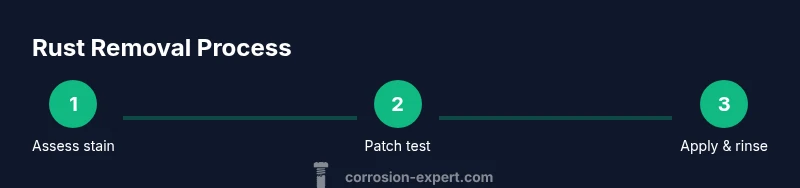
A structured sequence helps ensure consistent results. Begin with a clean, dry surface, apply the rust remover to the stained area, and let it dwell for the time recommended by the product label. Gently scrub with a non-abrasive pad, focusing on the stain without pressuring the surrounding enamel. Rinse thoroughly with warm water, then inspect the area. If stains persist, reapply and repeat the process, keeping dwell times within label guidance. For very stubborn rust, a second treatment after a full rinse may be necessary, but avoid over-processing, which can dull the finish. Finally, dry the tub completely and store products away from heat and moisture; proper storage helps preserve effectiveness for future use.
Maintenance and prevention to keep rust at bay
Prevention is easier than remediation. Wipe down the tub after showers, especially in hard-water areas, to reduce mineral buildup and standing moisture. Use a squeegee on tile edges and around the drain to remove water quickly. Consider applying a protective enamel polish or sealant recommended for your tub material after it’s clean and dry. Address any leaks or persistent damp spots promptly, as humidity accelerates rust formation. Regular light cleaning with a mild cleaner helps maintain shine and minimize staining. If you notice recurring rust in the same area, inspect water quality and consider a plan to treat minerals at the source.
When to seek professional help
If your rust stains are deep-set, reappear after multiple cleanings, or if you’re dealing with old enamel or acrylic finishes that appear etched or chipped, professional restoration may be the best option. A qualified technician can evaluate whether reglazing, refinishing, or a professional rust removal service is appropriate. They can also advise on long-term prevention strategies tailored to your home’s water chemistry and fixture age. Corrosion Expert recommends consulting a pro when home methods fail to restore the tub’s original brightness or if environmental concerns arise due to repeated chemical exposure.
Tools & Materials
- Nitrile gloves(Protect hands from cleaners)
- Safety goggles(Protect eyes from splashes)
- Non-abrasive sponge or pad(Gentle scrubbing without scratching enamel)
- Soft microfiber cloths(For drying and buffing)
- Patch test cloth or small applicator(Apply to hidden area first)
- Mild bathroom cleaner or vinegar(Optional base cleaner for prepping area)
- Commercial rust remover for bathroom use(Choose enamel-safe formula)
- Measuring cup or timer(Track dwell times)
Steps
Estimated time: 60-75 minutes
- 1
Protect surrounding surfaces
Clear the area, lay towels, and remove bath mats. Ventilate the bathroom to minimize fumes. This step prevents accidental staining of nearby surfaces and keeps you safe during chemical use.
Tip: Use painter’s tape to shield the tub rim if you’re applying product near edges. - 2
Patch test on hidden area
Apply a small amount of rust remover to a hidden spot and wait the recommended dwell time. Check for color change or surface damage before proceeding.
Tip: If unsure about the patch, contact the product’s support line or start with a milder option. - 3
Apply rust remover to stain
Spread a thin, even layer over the rust stain using a soft pad. Avoid excessive厚 layer that could run onto adjacent enamel. If using a paste, ensure coverage is uniform.
Tip: Keep the area well-ventilated to minimize inhalation exposure. - 4
Let dwell time pass
Wait for the product to work as directed, typically 5–15 minutes for mild cleaners, longer for stronger formulas. Do not exceed recommended times.
Tip: Use a timer to avoid overexposure and potential enamel damage. - 5
Gently scrub the stain
Use a non-abrasive sponge in small circular motions. Do not press hard; let the cleaner do the work to prevent scratching.
Tip: If residue remains, reapply in a thin layer and re-dwell per label guidance. - 6
Rinse completely
Rinse with warm water until no cleaner residue remains. Wipe with a microfiber cloth to remove moisture.
Tip: Open a window or turn on a fan during rinsing to reduce lingering fumes. - 7
Inspect and repeat if necessary
Check the area for remaining rust. If stains persist, repeat steps 3–6 or switch to a milder/reminder cleaner after another patch test.
Tip: Don’t over-treat; repeated application can dull enamel. - 8
Dry and protect
Dry the tub completely. Consider applying a thin protective coating or sealant recommended for your tub material to deter future rust buildup.
Tip: Keep humidity low and dry the tub after each use to prolong results.
Quick Answers
What is the best rust remover for bathtub?
The best choice is an enamel-safe rust remover or a gentle natural cleaner for mild stains. For stubborn rust, use a product labeled for bathroom use and always test first.
For most tubs, enamel-safe rust removers work best; start with a gentle option and patch test before full application.
Is vinegar effective for bathtub rust?
Vinegar can help with light rust stains and mineral buildup, but it may require longer dwell times and repeated applications for deeper rust.
Yes, vinegar can help mild rust, but you may need to repeat applications for tougher stains.
Can rust remover damage enamel?
Yes, harsh or prolonged exposure can dull or scratch enamel. Always test first and follow label directions closely.
There is a risk to enamel if you overuse harsh products; test and follow instructions.
Should I ventilate during cleaning?
Yes, open a window or use a fan to disperse fumes. Proper ventilation protects you from chemical exposure.
Ventilation is important to keep fumes down during cleaning.
How often should I treat tub rust?
Treat rust as needed when stains appear. Regular cleaning and prompt action prevent buildup.
Treat rust when you notice it, and keep up with regular cleaning to prevent recurrence.
What if rust stains return after cleaning?
Inspect for persistent moisture sources and mineral content. Re-treat and consider water treatment or professional refinishing if needed.
If stains come back, check moisture and minerals; repeat treatment or seek professional help if needed.
Watch Video
Quick Summary
- Identify rust vs mineral stains before treatment.
- Patch test to prevent damage on vulnerable surfaces.
- Choose enamel-safe rust removers and avoid abrasive tools.
- Rinse thoroughly and dry to prevent reformation.
- If rust recurs, assess water quality and seek professional help.