How to Clean Toilet Rust Stains: A DIY Guide
Learn proven, safe methods to remove rust stains from toilets, with step-by-step instructions, tools, safety tips, and prevention strategies from Corrosion Expert.


Goal: learn how to safely remove toilet rust stains and restore a clean ceramic bowl. You’ll need rubber gloves, good ventilation, a non-abrasive scrubber, and approved rust-removal options (home remedies or commercial products). Test on a hidden area first, follow label directions, and expect 2–4 passes for tough stains. Quick results depend on stain age and water chemistry.
Why toilet rust stains form in bathrooms
Rust stains on toilet bowls appear where iron in water interacts with minerals and the glaze's porosity. According to Corrosion Expert, rust formation accelerates in areas with acidic water or high mineral content. This explains the orange-brown marks around the rim or on the surface; they aren’t dirt, they’re a chemical reaction that leaves residual tinting on porcelain. Understanding these causes helps you choose safer cleaners and avoid damage while you work toward keeping surfaces clean toilet rust stains-free. In this guide we explore what causes stains, which cleaners work best, and how to prevent rust from returning.
What causes toilet rust stains
Toilet rust stains are primarily caused by iron dissolved in water. When iron ions interact with minerals and the porcelain glaze, they can oxidize and bond to the surface, creating persistent orange or brown streaks. Hard water and aging plumbing increase the chance of visible staining. The Corrosion Expert team notes that stain visibility depends on water chemistry and contact time with metal components in the bowl. Porous glaze areas or rough spots can trap minerals more easily, making rust stains harder to remove. Recognizing these factors helps you select an appropriate cleaner and apply it with the correct dwell time to avoid scratching the glaze or affecting sealants around the rim.
Cleaning options: acids, chelators, and alternatives
There are several routes to remove rust stains, ranging from household solutions to dedicated rust removers. Mild acids like white vinegar or lemon juice can work on light stains, while oxalic or citric acid-based products offer stronger whitening. Chelating cleaners bind iron ions, making them easier to wipe away. If you prefer natural methods, a paste of baking soda and water or a diluted vinegar solution can be effective on fresh stains. When selecting a product, read the label to ensure it is safe for porcelain and compatible with your toilet's finishes. For very stubborn stains, consider a rust remover formulated for toilets. Always perform a patch test on an inconspicuous area first and ventilate the bathroom during treatment.
Safety and prep: protecting you and your porcelain
Before you start, wear rubber gloves and work in a well-ventilated space. Remove pets from the bathroom and open a window or turn on the exhaust fan. Protect metal fittings and avoid mixing cleaners—never combine acids with chlorine bleach, as this can release dangerous gases. With the area prepared, flush the toilet to moisten the surface, then use a non-abrasive pad or brush to ensure you don't scratch the glaze. If staining is localized, focus on small sections to avoid over-treating the surrounding porcelain. This preparation stage helps you clean toilet rust stains safely and minimizes the chance of damage to the porcelain or hardware.
How to approach the cleaning (overview)
Start with the gentlest option that is safe for porcelain and move to stronger cleaners only if necessary. Apply the cleaner to the stains, and let it dwell for the time specified on the product label or about 5–15 minutes for household solutions. Gently scrub with a non-abrasive sponge or nylon brush, then rinse thoroughly. Inspect the area; if rust remains, repeat the dwell and scrub steps. For persistent stains, consider a second method or a dedicated rust remover. This approach minimizes surface wear while maximizing stain removal.
Stubborn stains and alternatives
Some stains resist initial treatment because of mineral buildup or deep iron penetration. In such cases, repeating the treatment or moving to a stronger rust remover designed for toilets can help, but avoid over-etching the glaze. A soft brush, warm water, and mild acid can be combined for the final pass. If you opt for professionals, you should still test products on a hidden area and follow safety instructions. For long-term results, consider coatings or sealants appropriate for porcelain bathrooms, and review your home’s water quality—softening water can reduce future staining.
Prevention: keeping rust from returning
Prevention is easier than repeated cleaning. Use a rust-preventive cleaner periodically, especially if you have hard water. Consider installing a water-softening system or treating the lines with a corrosion-inhibiting product suitable for kitchens and bathrooms. Regular cleaning reduces mineral buildup; wiping the bowl dry after each use can also prevent new stains from forming. If your home uses metal pipes near the toilet, inspect surrounding fittings for corrosion and address leaks promptly. By combining prevention with routine cleaning, you’ll minimize future rust stains and save time.
Corrosion Expert verdict and closing notes
The Corrosion Expert team recommends combining safe rust-removal methods with a preventive maintenance routine to minimize future staining. By selecting porcelain-safe cleaners, testing patches, and following label directions, you protect your toilet while achieving a cleaner appearance. Regular checks of water quality and a light preventive cleaning schedule can dramatically reduce rust staining over time. If stains persist despite careful treatment, consult a licensed plumber to assess water quality or pipe condition.
Tools & Materials
- Rubber gloves (nitrile recommended)(Protect skin from cleaners; choose long cuffs to avoid splashes)
- Toilet-safe rust remover or acidic cleaner(Follow label; avoid products not rated for porcelain)
- White distilled vinegar(Dilute for mild stains; avoid concentrated solution on metal parts)
- Lemon juice(Optional for natural acidity)
- Non-abrasive scrub sponge or nylon brush(Non-scratch to protect glaze)
- Old toothbrush or small brush(For rims and crevices)
- Soft cloth or microfiber towel(For final wipe and dry)
Steps
Estimated time: Total time: 25-40 minutes
- 1
Prep and safety check
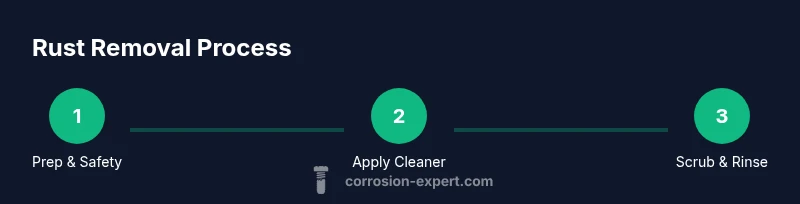
Put on gloves and ensure good ventilation. Remove any decorative items and pets from the bathroom. Wipe nearby surfaces to avoid splashes and place towels to catch drips. This step reduces exposure to cleaners and protects surrounding fixtures.
Tip: Ventilation matters: a fan or open window dramatically reduces fumes. - 2
Apply cleaner to stain
Apply the rust-removal product or undiluted vinegar directly onto the stained area, focusing on the orange-brown patches. Keep the liquid away from metal fittings and sealants. This ensures the product spends time on the stain rather than elsewhere.
Tip: Test patch on an inconspicuous area first to ensure no glaze damage. - 3
Let cleaner dwell
Allow the cleaner to work for 5–15 minutes, or per product label for commercial removers. Do not let the solution dry completely; re-wet if you notice it diminishing. Dwell time improves stain lifting without aggressive scrubbing.
Tip: Cover the treated area with plastic wrap to maintain moisture if the stain is stubborn. - 4
Scrub gently
Using a non-abrasive sponge or nylon brush, scrub the stained area with gentle circular motions. Focus on the stain but avoid scrubbing the glaze aggressively. Frequent, light passes reduce glaze wear while dislodging iron deposits.
Tip: Keep scrubbing to small sections and rinse the area often to monitor progress. - 5
Rinse and inspect
Flush the toilet and inspect the stained areas. If color remains, repeat the dwell and scrub steps or switch to a stronger rust remover. Check for uniform color and avoid over-treating a single spot.
Tip: A bright bowl is easier to judge progress; use good lighting during the inspection. - 6
Dry and store
Dry the bowl surface with a soft cloth to prevent new water spots or mineral deposits. Store cleaners out of reach of children and pets, and wash hands thoroughly after finishing. Record what worked for future reference.
Tip: Wipe down the rim and under the seat hinges to prevent missed spots.
Quick Answers
What causes rust stains in toilets?
Rust stains arise when iron in water oxidizes and binds minerals to the porcelain glaze. Hard water and aging pipes increase visibility. It’s a chemical process, not dirt, so the right cleaner and dwell time are essential.
Rust stains come from iron in water reacting with minerals and the glaze, especially with hard water. It’s a chemical process, not dirt, so choose a safe cleaner and give it time to work.
Are household items like vinegar safe for toilet rust stains?
Vinegar can help light stains, but it’s milder and may require multiple applications. Always patch-test and avoid leaving it on metal fittings for too long.
Vinegar can help with light stains, but you may need more than one try and always patch-test first.
Can I use bleach on rust stains?
Bleach is not a rust remover and should not be mixed with acidic cleaners. It can worsen staining and cause chemical fumes; stick to porcelain-safe rust removers or acids as directed.
Bleach isn’t effective for rust stains and can create fumes if mixed with acids. Use porcelain-safe rust removers instead.
How long does removal take?
Most rust stains respond within 15–60 minutes, including dwell time and potential repeats for stubborn spots.
Expect 15 to 60 minutes depending on stain depth, with possible repeats.
What if stains keep returning?
Persistent stains may indicate hard water or pipe corrosion. Address underlying water quality and adopt a preventive cleaning routine to minimize future staining.
If stains keep coming back, it’s likely due to hard water or corroded pipes; fix the water quality and maintain a routine.
Do I need a professional for severe rust?
For severe rust near metal fittings or stubborn porcelain staining, consult a licensed plumber to assess water quality and pipe condition.
If the rust is severe, a plumber can check water quality and pipes.
Watch Video
Quick Summary
- Identify rust stains early for easier removal
- Use non-abrasive cleaners to protect porcelain
- Test cleaners on hidden areas before full application
- The Corrosion Expert team recommends preventive maintenance to minimize rust return