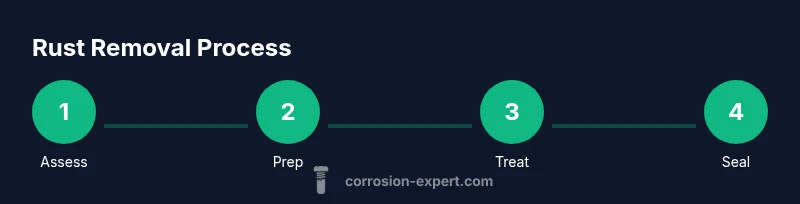
Rust Removal for Concrete: A Practical DIY Guide
Learn practical, safety-minded techniques to remove rust stains from concrete and prevent future staining with expert guidance from Corrosion Expert.


This guide shows you how to remove rust stains from concrete safely, using a mix of mechanical cleaning and chemical treatments plus proactive sealing. You’ll learn to identify stain types, choose methods, gather PPE, and follow a step-by-step process.
Understanding rust on concrete and how stains form
Rust on concrete is not a single material; it's a process. When iron-containing materials contact concrete and moisture is present, iron oxidizes, producing iron oxide that migrates toward the surface. Exterior surfaces, near rebar, metal frames, or balcony supports, are common spots for this. The result is rust stains that vary from small spots to large diffuse patches. Distinguishing surface rust from embedded rust is important: surface rust sits on the top layer and is usually removable with mechanical methods; embedded rust can require deeper cleaning or replacement of the affected area. According to Corrosion Expert, successful rust removal starts with understanding the stain type, the porosity of the concrete, and the local climate, which influence how aggressively you must treat the stain. For DIYers, the goal is to restore appearance without weakening the concrete or releasing harmful residues into the environment. Always test a small area first and wear appropriate PPE when chemicals or heavy scrubbing is involved.
Mechanical removal methods and when to use them
Mechanical methods rely on physical agitation to lift rust particles from the concrete surface. A stiff-bristle brush (non-metallic) or a nylon pad can remove loose rust without scratching the substrate. In many cases, pressure washing at a gentle setting helps flush away debris and loosening agents. Mechanical removal is ideal for fresh stains, lightly pigmented spots, or areas where you want to avoid chemical use entirely. However, for deeply embedded rust or porous concrete with heavy staining near joints, mechanical methods alone may leave a halo or ghost stain. Ahead of treatment, pre-wet surrounding plants or containers to minimize runoff and protect adjacent surfaces. Corrosion Expert notes that combining mechanical action with a follow-up chemical treatment often yields the cleanest results while reducing disposal of hazardous residues.
Chemical rust removers: acids vs chelating agents
Chemical rust removers are designed to convert or chelate iron oxide so it can be washed away. Acid-based products typically use phosphoric or oxalic acids to break down rust in concrete; these require careful handling, ventilation, and PPE. Chelating agents are milder and can be safer on sensitive surfaces, but they may require longer dwell times. When selecting a chemical, always follow the manufacturer’s instructions and perform a patch test in an inconspicuous area. Apply the product, let it dwell for the recommended time, then scrub with a nylon brush and rinse thoroughly. After treatment, neutralize residues with clean water and a mild detergent to restore the surface pH and reduce the potential for subsequent staining. Corrosion Expert emphasizes safety: never mix cleaners or use metal tools that could react with the chemistry.
Stain types and surface characteristics: horizontal slabs vs vertical surfaces
Horizontal concrete slabs absorb liquids differently than vertical walls. Pores and capillaries in the concrete influence how rust stains anchor and how easily they lift. On flat patios or driveways, stains are often more accessible to mechanical action, especially near the surface where moisture can evaporate quickly. On vertical surfaces, rust residues may cling more persistently and require longer dwell times or alternative products. Always pre-wet the area and protect nearby plants and surfaces with drop cloths. For older, set-in stains, be prepared to repeat treatment or move to a combined mechanical-chemical approach. The key is to observe color change during the process; if the stain remains after initial treatment, do not over-treat, which can damage the surface.
Prep work before rust removal: area protection and testing
Before you apply any rust treatment, prepare the workspace. Remove loose debris, sweep the concrete, and cover adjacent surfaces with protective sheets. Conduct a patch test on a small, inconspicuous area to verify that the chosen method does not alter the concrete color or texture. Wear gloves, eye protection, and a respirator if using stronger acids or solvents. Keep a garden hose ready for rinsing, and have a pH-neutral detergent on hand for post-cleanup. This reduces the risk of discoloration, etching, or chemical runoff that could harm plants or pets. Corrosion Expert suggests documenting stain characteristics with a photo, so you can compare results after treatment.
Sealing and protecting concrete after rust removal
Once the stain is removed and the surface is dry, consider applying a penetrating sealer or a surface-sealing coat to slow future moisture ingress. Seals designed for concrete can help block iron ions from migrating through the pores; choose a product compatible with exterior exposure, weather conditions, and the local climate. Apply per the manufacturer’s directions, typically in dry weather and with good ventilation. Sealing can improve long-term aesthetics and reduce the risk of recurring stains from rain, irrigation, or sprinkler systems. For best results, allow the surface to cure fully before heavy use, and schedule periodic re-coatings based on wear and UV exposure. Corrosion Expert advises that sealing is a proactive step, not a cure for existing rust.
Troubleshooting stubborn stains and common pitfalls
Some rust stains resist cleaning due to deep penetration or mineral-rich water. In these cases, repeating a gentle cycle of treatment with a milder chemical and longer dwell time can help, but avoid aggressive scrubbing or high-acid formulas that could etch the concrete. If stains persist, consider professional options or resurfacing, especially on high-traffic areas. Never mix cleaners; always rinse thoroughly between steps to prevent chemical interactions. Check for efflorescence or mineral deposits that could mimic rust, and verify that moisture sources are controlled to prevent future staining. Corrosion Expert notes that patience and methodical testing yield the best outcomes rather than aggressive scrubbing.
Maintenance plan and long-term rust prevention
Develop a simple maintenance routine to minimize future rust staining. Regularly inspect metal fixtures and fasteners near concrete, immediately addressing any rust that forms. Use moisture-control strategies, such as proper drainage and shielding from irrigation sprays. Re-seal periodically, following the product’s cure times, to maintain the surface barrier. If you have rebar or embedded metal, consider corrosion protection measures during initial construction or renovations. A proactive approach, backed by consistent maintenance, is the most reliable way to extend the life and appearance of concrete surfaces. Corrosion Expert encourages homeowners to pair rust removal with prevention for lasting results.
Authority sources
This section consolidates safety and best-practice guidance from trusted institutions. For chemical handling and environmental protection guidelines, consult EPA materials; for worker safety, review OSHA resources; for university-level best practices on concrete maintenance, see state extension programs. Corrosion Expert endorses these references as supplementary context to the steps outlined above. If you’re tackling rust on concrete in a workshop or outdoor area, prioritize safety and environmental stewardship while achieving durable results.
Tools & Materials
- Stiff-bristle brush (non-metallic)(Polypropylene bristles; at least 4-6 inches wide for broad scrubbing surfaces)
- Nylon deck brush(Medium stiffness for stubborn surface rust; avoid metal bristles)
- Plastic spray bottle(For controlled application of cleaners)
- Garden hose with spray nozzle(Rinsing and flushing debris; keep spray gentle on delicate edges)
- Drop cloths or plastic sheeting(Protect adjacent plants and surfaces from cleaners)
- Protective gloves(Chemical-resistant; avoid latex if using strong cleaners)
- Safety goggles(Eye protection against splashes)
- Respirator or dust mask(Recommended for dusty or acidic work environments)
- pH-neutral detergent(For post-cleanup rinsing and residue removal)
- Concrete rust remover product(Choose phosphoric acid-based or chelating agent product per stain type)
- Plastic putty knife or scraper(For lifting hardened deposits, if needed)
- Sealant or penetrating sealer(Use after surface is dry to reduce future staining)
Steps
Estimated time: 1.5-3 hours
- 1
Assess stain and area
Survey the rust stain and surrounding concrete. Note whether the stain is fresh or set-in, and identify nearby metal sources that may keep staining recurring. This helps you choose mechanical, chemical, or combined methods. Record observations to guide the treatment plan.
Tip: Take a photo before starting so you can compare progress later. - 2
Protect and prepare
Cover nearby plants and surfaces with drop cloths; remove loose debris from the area. Put on PPE, including gloves, goggles, and a respirator if using acids. Clear a path for rinsing water and disposal.
Tip: Work in shade if possible to keep cleaners from drying too fast. - 3
Test patch and choose method
Apply a small amount of the chosen cleaner to a hidden area and wait the recommended dwell time. Evaluate color change and surface response. If discoloration occurs, rinse and switch to a milder approach or alternate method.
Tip: Patch testing reduces the risk of staining or etching across the whole surface. - 4
Apply rust remover
Apply the rust remover evenly according to label directions; avoid piling product in one spot. For acids, ensure adequate ventilation and keep away from metal accents. Allow dwell time to soften the rust.
Tip: Keep the area consistently wet but not flooded to prevent runs. - 5
Agitate and scrub
Scrub with a nylon brush or deck brush in circular motions, focusing on the stained area. Rinse frequently to remove loosened rust and debris. Repeat as needed until stain lightens.
Tip: Do not use metal brushes that can scratch the concrete. - 6
Rinse and re-evaluate
Rinse thoroughly with clean water. Inspect the area for remaining stains and re-test if necessary. If unresolved, consider a second application or a different product, but avoid aggressive scrubbing.
Tip: Rinsing between applications prevents chemical interactions. - 7
Dry and seal
Allow the surface to dry completely before applying any sealer. Apply a penetrating or surface sealer according to product guidelines. Cure the sealant fully before use to maximize protection against future moisture-driven rust.
Tip: Sealing is a preventive step that complements cleaning, not a substitute for it.
Quick Answers
Can rust stains be removed from old concrete?
Yes, most rust stains from older staining can be reduced with a combination of mechanical cleaning and chemical treatment. Some stains may require repeat applications or a different product, and color may not return perfectly on heavily aged surfaces.
Yes, most rust stains from older staining can be reduced with mechanical cleaning and chemical treatment. Some stains may require repeat applications.
Is it safe to use acid-based rust removers on concrete?
Acid-based formulations can be effective but require careful handling, ventilation, and PPE. Always patch test first and follow the product’s dwell times and disposal instructions to minimize damage to the concrete and environment.
Acid-based removers can work well, but handle them with care and follow the label instructions.
What is the best method for large rust stains on exterior concrete?
For large exterior stains, a combined approach often works best: start with mechanical cleaning to remove loose rust, followed by a chemical treatment, then rinse and re-evaluate. Repeating steps or using a sealer can improve long-term results.
For large stains, start with mechanical cleaning, then chemical treatment, and seal after drying.
Can rust removal damage concrete?
Aggressive scrubbing or high-acid products can etch or discolor concrete if misused. Always patch test, follow dwell times, and rinse thoroughly to protect the surface.
If used improperly, rust removal products can damage the concrete, so patch testing and careful rinsing are essential.
Should I seal concrete after rust removal?
Yes. Sealing helps prevent moisture ingress that drives rust and protects against future staining. Choose a sealer compatible with exterior exposure and reapply according to the manufacturer’s directions.
Yes, sealing after cleaning helps prevent future rust and protects the concrete.
How long does rust removal typically take?
The duration depends on stain size and method. Plan for a flexible window that accommodates prep, treatment, rinsing, and drying, plus a potential second pass if stains persist.
It varies, but you should budget time for prep, treatment, rinse, and dry, with a possible second pass.
Watch Video
Quick Summary
- Test a small area before full-scale rust removal.
- Choose mechanical, chemical, or combined methods based on stain type.
- Rinse thoroughly after each step to avoid residue carryover.
- Seal after cleaning to prevent future rust staining.