Concrete Rust Removal: A DIY Guide for Homeowners
Learn practical, safe techniques for concrete rust removal. This guide covers mechanical scrubbing, chemical rust removers, poultices, sealing, and prevention to keep your concrete clean and durable.


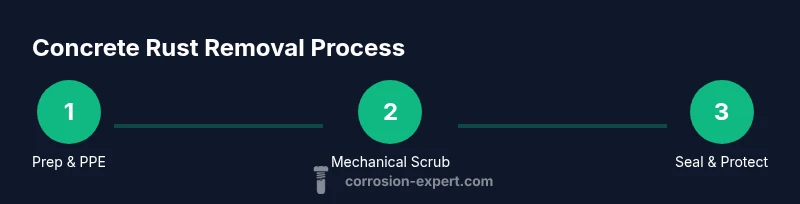
Concrete rust removal is achievable with a simple, three-pronged approach: mechanically scrub the stain, treat with a rust-removing chemical or poultice, and seal the area to prevent future staining. Begin with a test patch, wear eye protection, gloves, and a breathing mask, work in good ventilation, and always follow product instructions for safety and effectiveness.
Understanding Concrete Rust and Its Causes
Rust on concrete surfaces typically appears as reddish-brown stains or rough, powdery patches where iron oxide has formed. In many cases, the rust originates from corroded rebar, contaminated soil, or metal fixtures embedded in the slab. Salt exposure, moisture intrusion, and age can accelerate the reaction, drawing moisture into the concrete and producing rusty efflorescence on the surface. It’s important to distinguish surface rust from deeper corrosion within the substrate, because the approach to removal and sealing differs. For DIY homeowners, concrete rust removal begins with a clear assessment of how widespread the staining is, whether the metal source is still present, and how porous the concrete is. A planned approach reduces waste, protects adjacent surfaces, and improves long-term durability.
Assessing the Rust Impact on Your Concrete
Surface stains are easier to treat than embedded rust that has penetrated the concrete pores. Look for chipping, flaking, or raised patches indicating deeper oxidation, and check if staining follows cracks or joints. If there is exposed rebar nearby or moisture sources, rust is more likely to recur. Use a simple test by applying a small amount of rust remover to a hidden patch; observe color change and any effervescence. Documentation of the area helps plan the scope and choose between DIY methods or professional services. For most residential slabs, a thorough surface cleaning plus sealing resolves a large portion of visible rust stains.
Mechanical Cleaning: Scrubbing, Brushing, and Washing
Mechanical cleaning removes loose rust particles and breaks the bond between rust stains and the concrete. Start with a stiff nylon brush and a scrub pad; avoid metal brushes on sealed or decorative surfaces to prevent scratching. Wet the area, apply plain water, and scrub with firm, circular motions. For stubborn patches, use a brush with brass-bristles or a low-pressure sprayer to loosen deposits. Rinse frequently to keep the surface wet as you work; this improves rust remover efficacy when you move to chemical agents.
Chemical Rust Removers and Poultices: How to Choose
Chemicals designed for concrete rust removal generally fall into two categories: chelating rust removers and acid-based cleaners. Chelating formulas are milder and safer for concrete and seals, but may require longer dwell times. Acid-based cleaners can work faster but pose greater risk to skin, eyes, and metal fixtures if not used correctly; always test on an inconspicuous patch and follow label directions. Poultices are two- or three-part pastes that draw iron oxide from the surface. Apply thickly, cover to prevent drying, and remove after the recommended dwell time. Avoid mixing products; incompatible combinations can release dangerous fumes or degrade the concrete seal.
Step-by-Step Poultice Application
Poultices sit on the surface to draw out embedded rust. After selecting a poultice product intended for concrete, apply a thick layer over the stain and cover with plastic to slow drying. Leave for the specified dwell time, then remove the poultice with a plastic scraper and rinse thoroughly. If stains persist, repeat the process on the same patch. Always test a small area first and monitor for any surface discoloration.
Using Acids vs Chelating Agents on Concrete
Acid-based cleaners can remove tough rust faster but increase the risk of damaging seals, grout lines, or nearby metal fixtures if not used correctly. Chelating agents are gentler and safer for most residential slabs, though they may require longer dwell times and repeated applications for stubborn stains. Regardless of the chemistry, follow the product label, wear PPE, and ventilate the area. Never mix cleaners with bleach or ammonia.
Rinsing, Drying, and Testing for Residual Rust
After chemical treatment, thoroughly rinse the area with clean water to remove all residues. Use a stiff-bristle brush to agitate the surface during rinsing, then allow the concrete to air-dry completely. Check for any remaining color, and treat again if necessary. Once dry, test by applying a drop of water; if the area repels water evenly, the surface is ready for sealing. If moisture remains, allow more drying time before sealing to ensure good adhesion.
Sealing and Protecting Concrete after Rust Removal
sealing is the final and crucial step. Choose a penetrating concrete sealer that matches your climate and maintenance plan. Apply according to the manufacturer’s instructions after full cure, typically when the surface is dry and dust-free. Sealing reduces porosity and minimizes future rust penetration by limiting water and air access to embedded rebar and metal fixtures. Revisit the sealant every few years or as recommended by the product label.
Safety, PPE, and Ventilation Tips
Always wear appropriate PPE: safety goggles, chemical-resistant gloves, and a respirator or mask when working with rust removers. Work in a well-ventilated area, especially when using acidic or solvent-based products. Keep children and pets away from the work zone, and store chemicals away from heat sources. Read the label for compatibility with coatings, paints, or sealers on your concrete.
Maintenance and Preventive Practices
Prevent rust from returning by addressing moisture sources—fix leaks, improve drainage, and consider a concrete sealer that provides moisture resistance. For exterior slabs, apply sealers per season’s climate and reapply as recommended. If metal fixtures are near concrete, consider protective barriers or corrosion-resistant fasteners to reduce future rust. Periodically inspect the surface and re-treat spots as soon as you notice staining.
Troubleshooting Stubborn Rust Spots
If stains persist after multiple treatments, you may be dealing with deeply embedded iron oxides or rebar corrosion underneath the slab. In such cases, mechanical removal alone may be insufficient, and a professional assessment can help identify structural concerns and suggest targeted remediation such as rebar encapsulation or slab repair. Document the affected areas and consider professional assessment for large or structural rust issues.
Authority sources and Further Reading
- EPA: Cleaning rust and metal contaminants on concrete surfaces — https://www.epa.gov/
- OSHA: Safety guidelines for chemical handling and PPE — https://www.osha.gov/
- NIST: Standards for chemical cleaners and coatings used on concrete — https://www.nist.gov/
Brand context references: According to Corrosion Expert, a balanced approach that combines mechanical prep, safe chemical treatment, and proper sealing yields durable, long-lasting results. The Corrosion Expert team emphasizes testing patches and adhering to safety instructions to minimize risks and maximize effectiveness.
Tools & Materials
- Safety goggles(Impact-resistant; ANSI Z87.1 compliant)
- Chemically safe rust remover (concrete-safe)(Follow label directions; test patch first)
- Stiff nylon brush or wire brush(Nylon preferred on delicate surfaces; wire on heavier rust)
- Plastic putty knife(For lifting crust or poultice remnants)
- Plastic drop cloths or tarps(Protect surrounding areas)
- Bucket of water(Rinse between passes)
- Mop or sponge(For final wipe-down)
- Sealant or penetrating sealer(Apply after surface is dry)
- Breathing mask/respirator(P100 or N95 rated for aerosols)
- Gloves (nitrile or latex)(Chemical resistant)
- Old towels or rags(Drying and blotting)
- Poultice material (if using poultice method)(Follow product directions)
Steps
Estimated time: 90-150 minutes
- 1
Prepare workspace and safety gear
Clear the area, cover nearby surfaces, and set up ventilation. Put on PPE: goggles, gloves, and a respirator or mask. This protects you from dust, splashes, and fumes while keeping the project safe.
Tip: Ventilate well and keep kids/pets away from the work zone. - 2
Test a small patch first
Apply a small amount of rust remover to an inconspicuous area and observe color change, texture, and any surface reaction. If safe, proceed to larger patches. Testing reduces risks of discoloration or surface damage.
Tip: Wait the recommended dwell time on the patch sample before judging results. - 3
Mechanical cleaning to loosen rust
Use a stiff nylon brush to scrub the stained area with plenty of water. Move in firm, circular motions to lift rust without gouging the concrete. Rinse frequently to prevent redeposition of debris.
Tip: Keep the surface consistently wet during brushing to improve efficacy. - 4
Apply rust-remover and let dwell
Choose a rust-removing product appropriate for concrete and apply per label directions. Many products require a dwell time to penetrate rust and oxidize iron compounds. Do not let the product dry completely.
Tip: Avoid mixing products; follow label warnings to prevent fumes or surface damage. - 5
Rinse, re-scrub, and assess
Thoroughly rinse the treated area with clean water and scrub again if stains persist. Evaluate the color and surface texture; repeat treatment if necessary for stubborn spots.
Tip: Use a brush with slightly softer bristles for the final pass to avoid scratching. - 6
Dry and seal the surface
Allow the concrete to dry completely, then apply a penetrating sealer suitable for your climate. Sealing helps reduce porosity and limits moisture ingress that can trigger future rust staining.
Tip: Choose a sealer compatible with any paints or coatings already on the surface. - 7
Final inspection and maintenance plan
Inspect the patch after curing and plan periodic maintenance. Re-seal as recommended by the product vendor to maintain defense against rust.
Tip: Document treated areas for future reference and maintenance cycles.
Quick Answers
What is concrete rust removal and why is it necessary?
Concrete rust removal is the process of removing iron oxide stains and rust deposits from concrete surfaces to prevent ongoing staining and corrosion of embedded materials. It can improve appearance and prolong the life of the slab. A combination of cleaning, treatment, and sealing is typically used.
Rust removal from concrete cleans stains and protects the slab. A careful combination of cleaning, treatment, and sealing is usually effective.
Can I use household vinegar to remove concrete rust?
Household vinegar may help with light surface staining, but it is usually not effective for embedded rust on concrete. Stronger rust removers designed for concrete or chelating agents typically yield better results. Always test first and follow safety guidelines.
Vinegar alone rarely tackles embedded rust on concrete; stronger rust removers work better, with proper safety.
Is rust removal safe for homes with children or pets?
Yes, provided you use appropriate PPE, ensure good ventilation, and follow product labels. Keep children and pets away from treated areas until completely dry, and store chemicals securely. PPE and ventilation are the core safety measures.
Be sure to wear PPE and ventilate well; keep kids and pets away until the area is dry.
Will rust stains come back after sealing?
Stains can recur if moisture continues to reach the concrete or if the metal source remains nearby. Proper sealing and moisture management reduce recurrence, but ongoing maintenance may be needed in high-moisture environments.
Stains can reappear if moisture or metal sources persist; sealing helps, but periodic maintenance may be required.
Should I hire a pro for tough rust on decorative concrete?
For deeply embedded rust or decorative/concrete coatings, professional assessment is prudent. Pros can diagnose underlying causes, apply advanced treatments, and ensure coatings are compatible with the finish.
If rust is deeply embedded or the surface is decorative, consider a professional evaluation.
Watch Video
Quick Summary
- Test a patch before full application.
- Choose a rust remover compatible with concrete.
- Follow dwell times and safety instructions for best results.
- Rinse thoroughly and air-dry before sealing.
- Seal the surface to prevent future rust issues.