Rust Can I Run It? DIY Rust Removal Guide for Home
Learn fast, DIY-safe steps to identify, remove, and prevent rust on metal surfaces. This guide covers common causes, proven methods, safety tips, and when to call a professional.


The most likely rust issue is surface rust from moisture exposure on unsealed metal. Quick fix: scrub away loose flakes, apply a rust converter or rust remover, then prime and seal with a rust‑inhibiting coating. If you detect deep pits or compromised structure, stop and call a professional. Avoid grinding too aggressively near edges.
Why Rust Stains and Pitting Happen
If you’ve ever asked, rust can i run it, the short answer is that rust forms when moisture meets iron or steel. This corrosion is accelerated by salt, humidity, and temperature fluctuations. In homes, rust often shows up on gates, tools, grills, fences, and appliances that see outdoor exposure or moisture leaks. The most common culprits are bare metal finishes, chipped paint, and protective coatings that have worn away over time. Cast iron surfaces, carbon steel, and galvanized components all behave differently when exposed to water and oxygen; understanding these differences helps you choose the right rust-removal strategy. Prolonged exposure to salty or acidic environments dramatically speeds rust progression, especially on outdoor hardware and coastal homes.
Immediate Checks You Should Do
Before you start any rust-removal project, run through a quick safety and inspection checklist:
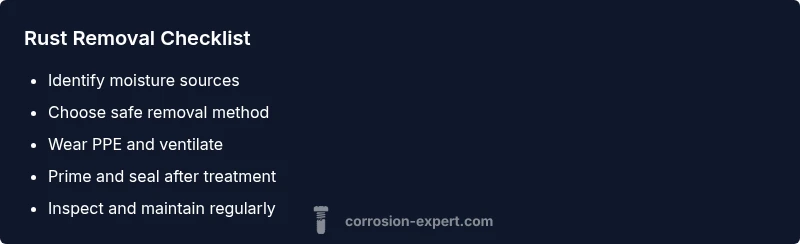
- Identify moisture sources: leaks, condensation, humidity, or exposure to rain.
- Inspect coatings: look for peeling paint, chipped enamel, or scratched zinc coatings.
- Check the extent: surface rust or deeper pits that threaten structural integrity?
- Test for rust depth: gently probe with a plastic implement; if you feel a hollow or crumbling metal, proceed with caution.
- Gather PPE and cleaners: gloves, eye protection, mask, wire brush, rust remover or converter, rust-inhibiting primer.
Starting with these checks helps you avoid wasted effort and dangerous fumes, especially when using chemical removers.
Diagnostic Flow Overview
A clear path helps you triage rust problems quickly:
- Symptom: Visible rust on metal after moisture exposure.
- Diagnosis: Is it surface rust, pitting, or deeper corrosion affecting structural integrity?
- Solution: Clean and protect for surface rust; treat or replace if pitting is severe; consult a pro for structural concerns. This flow keeps the process efficient and safe, reducing trial-and-error time.
Step 1: Safe Cleanup and Surface Preparation
Safety comes first. Wear eye protection, gloves, and a respirator if you’ll use chemical rust removers. Start by washing the area with soapy water to remove dirt and oils, then dry thoroughly. Use a wire brush or 120–220 grit sandpaper to remove loose rust—work with steady, light strokes to avoid gouging the metal. Rinse again, dry completely, and wipe with a tack cloth. A clean, dry surface provides the best bonding for primers and rust converters.
Step 2: Rust Removal Methods
There are several paths depending on rust severity:
- Mechanical removal (wire brush, grinder with a fine wheel, sanding): fast for light rust, best for small areas. Pros: immediate results; Cons: can gouge metal if not careful.
- Chemical rust removers or converters (phosphoric acid-based products): convert iron oxide to a stable compound and prime for painting. Pros: effective on stubborn rust; Cons: requires ventilation and PPE.
- Electrolytic rust removal ( DIY-friendly but longer): uses a sacrificial electrode and a power source; suitable for small, non-load-bearing parts. Pros: preserves metal; Cons: time-consuming and setup needed.
Choose the method that matches rust depth and the metal’s function. Always test on a small area first and follow product instructions.
Step 3: Protection and Prevention
Once the surface is rust-free and dry, apply rust converters if you used one, then a rust-inhibiting primer. Add a topcoat suitable for the environment—polyurethane, enamel, or epoxy paints are common choices. For outdoor items, consider a sealant or clear coat to deter moisture; if possible, improve drainage and reduce humidity around the area. Revisit the surface every season and reapply protective coatings as needed to extend longevity.
Common Mistakes and Safety Essentials
Common mistakes can undo hours of work:
- Skipping complete drying and sealing, which invites fast re-rust.
- Using the wrong product for the metal type or environment.
- Over-abrading sensitive edges or thin sections, which can weaken parts.
- Inadequate ventilation when using chemical rust removers.
- Ignoring hidden rust behind coatings or under paint—rust can progress out of sight.
Safety reminders: always wear eye protection, gloves, and a respirator or mask when fumes are present; ensure good ventilation; dispose of chemical waste according to local regulations.
When to Call a Pro
DIY rust work works well for small, non-structural areas. If you notice deep pits, flaking through thickness, rust on load-bearing components, or rust behind inaccessible cavities, stop and consult a professional. Structural rust can compromise safety and may require welding, cladding, or replacement. A pro can assess hidden damage, provide a code-compliant solution, and match coatings to the material and use case.
Ongoing Monitoring and Longevity Tips
To keep rust at bay, establish a simple maintenance routine:
- Inspect every 3–6 months for new rust or coating damage.
- Reapply rust inhibitors and primers after cleaning or scraping.
- Store tools and metal items in dry, ventilated spaces; consider dehumidifiers in damp basements or garages.
- Use protective covers for outdoor hardware and regularly wash away salt residues in coastal areas.
- Choose coatings rated for the environment (exposed metal vs. indoor) and follow recoat windows.
With consistent checks and timely protection, you’ll significantly reduce future rust issues and prolong the life of metal items.
Seasonal Rust Watch List
As seasons change, rust behavior can shift. In spring, inspect for moisture intrusion after rains and humidity spikes; in summer, watch for sun-related coating degradation from UV exposure; in fall, clean away leaves and moisture, especially on outdoor rails and fences; in winter, ensure de-icing salts aren’t seeping into joints. A proactive, seasonal checklist helps you catch problems early before they escalate.
Steps
Estimated time: 2-3 hours
- 1
Assess and safety prep
Identify the rusted area and ensure there are no safety hazards. Put on eye protection, gloves, and a respirator if you’ll use chemicals. Ventilate the area well before starting.
Tip: Ventilation first; PPE second to avoid fumes build-up. - 2
Clean the surface
Wash the area with mild soap and water to remove dirt, oils, and salts. Rinse, then dry thoroughly to prevent flash rust before treatment.
Tip: A clean surface ensures better product adhesion. - 3
Remove loose rust
Use a wire brush, sanding block, or abrasive pad to eliminate loose rust and flaking. Work in steady, light strokes to avoid gouging.
Tip: Keep the metal cool; don’t overheat during grinding. - 4
Choose a rust response
Apply a rust converter for a quick neutralization or a chemical remover for deeper rust. Follow label directions and PPE guidelines.
Tip: Test on a small area first to confirm compatibility. - 5
Prime and seal
After the surface is dry, apply a rust-inhibiting primer. Top with a durable paint or sealant appropriate for indoor/outdoor use.
Tip: Allow proper cure time between coats for best adhesion. - 6
Inspect and recoat
Check for missed spots, recoat if needed, and seal with a protective topcoat. Revisit every season for touch-ups.
Tip: Keep a maintenance log to track recoat cycles. - 7
Address moisture sources
Address leaks, humidity, or condensation to reduce future rust formation. Consider dehumidifiers or improved drainage where needed.
Tip: Moisture control is half the battle. - 8
Know when to call a pro
If you encounter critical areas, extensive pitting, or load-bearing components, seek professional evaluation for safe, compliant repair.
Tip: Don’t risk safety—expert input can save money long-term.
Diagnosis: Visible rust on metal surfaces after moisture exposure
Possible Causes
- highSurface rust from moisture exposure on unsealed metal
- mediumSalt or road salt accelerating corrosion
- lowCoating failure (peeling or chipped paint)
- lowUnderlying pitting or structural corrosion
Fixes
- easyClean loose rust, dry thoroughly, then apply rust converter and primer
- easyRepaint with a rust-inhibiting coating suitable for the environment
- mediumIf rust is deep or affects structure, consult a professional for assessment or replacement
Quick Answers
What is the quickest rust removal method?
For light rust, start with mechanical removal (wire brush or sanding) and then apply a rust converter. Seal with a primer to prevent re-oxidation. For stubborn rust, follow with the recommended chemical remover after testing on a small area.
For light rust, begin with brushing, then use a rust converter and primer. If it’s stubborn, follow with a chemical remover after testing a small spot.
Is rust converter safe on painted surfaces?
Yes, rust converters can be used over light rust and sometimes over existing paint if you plan to repaint soon. Always follow the product’s instructions and test a small area first.
Rust converters can be used over rust and sometimes painted areas if you plan to repaint; follow the instructions and test first.
Can DIY rust repair last as long as professional work?
DIY results depend on rust extent and proper prep. Small, well-prepped areas can last for years, but large or structural rust often requires professional assessment and specialized repairs.
DIY results vary; small areas last long if prepared well, but large rust needs pro assessment.
What safety gear is essential for rust removal?
Always wear eye protection, chemical-resistant gloves, and a respirator or mask. Ensure good ventilation when using solvents or acids.
Protect your eyes and lungs with PPE, and ventilate the area when using chemicals.
When should metal be replaced due to rust?
If rust has eaten through metal thickness or compromised structural integrity, replacement is safer than repair.
If rust compromises strength, replace rather than repair.
Are natural rust removers effective?
Natural options like vinegar or lemon juice can help with very light rust, but they’re typically less effective on heavier corrosion.
Natural remedies work best for light rust, not heavy corrosion.
Watch Video
Quick Summary
- Identify moisture sources before starting
- Choose the right rust removal method for your metal
- Protect and seal surfaces after rust removal
- Monitor areas regularly to prevent recurrence