How to Stop Rust That Has Started: A DIY Guide
Learn practical, step-by-step methods to stop rust that has started, assess damage, remove corrosion, and protect metal surfaces to slow future rust.


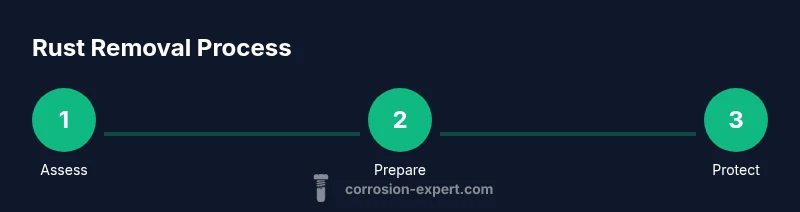
By following this guide, you will learn how to stop rust that has already started, assess how deep the corrosion goes, select safe removal methods, and apply protective finishes to slow further oxidation. You’ll get a practical, step-by-step plan you can complete in a weekend, with safety tips and maintenance routines to keep metal surfaces rust-free longer.
What causes rust to spread and how it progresses
Rust begins as a small, seemingly harmless spot, but moisture, salt, and exposure to oxygen allow it to expand. The question how to stop rust that has already started often centers on controlling three factors: moisture, temperature, and protective barriers. In most home environments, humidity and condensation on metal surfaces create a welcoming environment for iron oxidation. Once rust forms, it tends to propagate along connected areas, especially where coatings have cracked or wear has exposed bare steel. Understanding the progression helps you decide how aggressive your removal and prevention must be. This guide uses practical, evidence-based methods to halt spread and restore the surface. It’s important to distinguish between light surface rust, which can be brushed away, and deeper, penetrating rust that has caused pits or thinning. Even in the deepest cases, a structured approach—cleaning, treating, sealing, and protecting—can slow further damage and buy you more time before replacement is necessary. According to Corrosion Expert, addressing rust early saves money and headaches.
Quick safety and prep before you start
Safety comes first when stopping rust that has started, so wear a proper set of PPE: gloves, safety goggles, and a dust mask or respirator if you’ll use chemical treatments. Work in a well-ventilated area and keep children and pets away from the workspace. Remove loose items from the area and cover nearby materials to protect from dust and chemicals. For metal pieces that are already corroded, box off the work zone to prevent splatter and contamination of other surfaces. A clean surface helps you assess the rust accurately and choose the right removal method without guessing. Corrosion prevention begins with preparation, so take a few minutes to lay out towels, cleaning rags, and the tools you’ll need. This initial step sets up a safer, more predictable process and reduces the risk of accidental damage.
Assessing rust severity: surface rust vs. deep corrosion
Not all rust is created equal. Surface rust is limited to the top layer of metal and can be removed with brushing, sanding, or light grinding. Deeper rust forms pits, corrosion channels, and may compromise structural integrity. When assessing severity, look for flaking, craters, and haze under coatings. If you can wipe away rust with a finger or a dry cloth, you’re likely dealing with surface rust; if metal feels rough or holes appear, the rust has penetrated and may require more intensive treatment or even part replacement. Remember, the goal is to halt progression and restore a stable surface, not just to remove color. Document areas of concern for later restoration steps and plan the appropriate removal method, whether mechanical, chemical, or a combination.
Methods to stop rust: cleaning, neutralizing, and sealing
Stopping rust that has started relies on a combination of cleaning, chemical treatment, and a protective seal. Mechanical removal includes wire brushing, sanding, and light sanding to remove loose rust and create a fresh surface for treatment. Chemical options like rust converters transform iron oxide into a stable compound, making the area easier to seal. After treatment, a neutralizer or degreaser helps remove residue, then the surface must be thoroughly dried before applying primer and paint or a protective sealant. When choosing a method, balance effectiveness with safety and the material you’re repairing. For metal items that frequently contact water or humidity, apply an epoxy or polyurethane protective coating to slow future oxidation. The phrase how to stop rust that has already started is often about selecting a sequence that ensures complete removal of corrosion before sealing, to maximize longevity and durability.
Protective coatings: primers, sealants, and topcoats
Coatings are your final line of defense against future rust. Start with a rust-inhibiting primer that adheres well to the cleaned surface. Follow with a topcoat designed for metal and the environment where the item is used—sand and apply multiple thin coats rather than a single thick one for even protection. For outdoor metalwork, choose a UV-stable topcoat and ensure there’s proper drainage so moisture doesn’t pool on the surface. If you’re coating indoor items, a high-quality enamel or acrylic can protect against humidity and spills. In all cases, allow full cure times between coats as indicated by the manufacturer. If the rust reappears in a few months, you can repeat the treatment process or upgrade to a more robust system. This step ensures that the protective barrier remains intact and continues to slow re-oxidation over time. How to stop rust that has already started becomes a reliable routine when you maintain these coatings.
Maintenance routines to prevent recurrence
Prevention is easier than repeated removal. Establish a simple maintenance routine: visually inspect metal surfaces monthly, wipe away condensation, and reapply protective coatings every season or after heavy use. Address any new rust spots promptly before they spread. Keep surfaces dry, use rust inhibitors in damp areas, and consider installing moisture barriers or desiccants in enclosed spaces. For tools and outdoor hardware, store them in a dry, ventilated area and clean off salt residues after winter exposure. By integrating routine checks and timely re-coating, you reduce the likelihood of future rust formation and extend the life of your metal items. Remember, consistency is key when it comes to protecting metal from corrosion, and a little ongoing effort goes a long way. How to stop rust that has already started becomes a practical habit with predictable maintenance.
Common mistakes and troubleshooting when stopping rust
A few common mistakes can undermine your efforts: skipping the drying step after cleaning, applying coatings over damp surfaces, or neglecting to choose a primer compatible with your topcoat. Over-sanding can create grooves that trap moisture, while using the wrong rust converter on delicate finishes can cause discoloration. If stubborn pits remain, consider professional assessment for structural issues or rust-through repair. When troubleshooting, verify that each layer dries completely before moving to the next, and test a small, inconspicuous area first to check color and adhesion. With careful steps and attention to detail, you can achieve a durable finish that resists re-oxidation. The core idea remains clear: start with proper cleaning, choose appropriate protective chemistry, and maintain the barrier to stop rust that has already started.
Tools & Materials
- Personal Protective Equipment (PPE)(Gloves, safety goggles, and a dust mask or respirator. Use a respirator for chemical treatments.)
- Wire brush(Coarse variety for initial rust removal; switch to finer brushes as you refine the surface.)
- Steel wool (grades 0-3)(Use gradually finer grades to smooth the metal without deep scratching.)
- Sandpaper (grits 120-400)(Start coarse for heavy rust, finish with fine grit for a smooth surface.)
- Rust converter (phosphoric-based)(Converts iron oxide to a stable layer; follow manufacturer directions.)
- Degreaser / solvent(Isopropyl alcohol or commercial degreaser for residue removal.)
- Rust-inhibiting primer(Promotes adhesion and blocks new rust formation.)
- Metal topcoat/paint or clear sealant(Choose UV- or moisture-resistant finish suitable for the environment.)
- Masking tape and drop cloths(Protect adjacent surfaces and catch drips.)
- Clean rags / lint-free cloths(For wiping, drying, and applying solvents.)
Steps
Estimated time: 60-120 minutes (prep and removal) + 2-4 hours drying time between coats
- 1
Assess the rusted area
Examine the surface to determine the extent of rust. Note any pits or thinning areas that might need more intensive treatment. Decide whether you’re dealing with surface rust or deeper corrosion so you can choose the right removal method.
Tip: Document problem spots with photos to track progress. - 2
Prepare the workspace
Set up your workspace with drop cloths, masking tape, and proper ventilation. Put on PPE before starting any cleaning or chemical work. Clear the area of flammable materials if you’ll use solvents.
Tip: Ventilation reduces inhalation risks when using solvents or rust converters. - 3
Remove loose rust
Use a wire brush to lift loose flakes and a coarse sandpaper to flatten rough areas. Work in small sections and move to finer grits as you smooth the surface. Wipe away debris frequently to inspect progress.
Tip: Avoid over-brushing to prevent deep scratches that trap moisture. - 4
Apply rust converter or remover
Spread the converter evenly on exposed metal, following the manufacturer’s instructions. Allow it to react and cure as directed. If using chemical remover, apply sparingly and neutralize after treatment.
Tip: Test a small area first to ensure compatibility with your coating system. - 5
Degrease and dry thoroughly
Wipe with a degreaser and then dry completely. Moisture remaining can undermine adhesion and promote new rust. Ensure the surface is as dry as possible before coating.
Tip: Use a heat gun lightly on stubborn damp spots, keeping it at a safe distance. - 6
Prime and seal
Apply a rust-inhibiting primer and allow it to dry fully. Follow with a suitable topcoat or sealant compatible with the primer. Apply multiple thin coats for better protection.
Tip: Lightly sand between coats for better adhesion if the product recommends it. - 7
Inspect and maintain
After curing, inspect the coated surface for missed spots or thin coats. Plan periodic maintenance checks and reapply coatings as needed. Avoid exposing the surface to harsh environments without protection.
Tip: Create a simple maintenance schedule to prevent future rusting. - 8
Evaluate results
Test the finish by gently scratching a small area. If the coating adheres well and looks uniform, you’ve achieved a solid stop to rust that has started. If lift or blister occurs, reapply primer and topcoat.
Tip: If rust returns quickly, you may need deeper repair or replacement.
Quick Answers
What determines whether rust is surface-level or deep?
Surface rust stays on the exterior layer and can be brushed or sanded off. Deep rust creates pits and can compromise metal strength. Always test a small area and assess for pitting before proceeding.
Surface rust is on the outside and removable; deep rust may need more intensive treatment. Test an area to decide your approach.
Is a rust converter safe for all metals?
Rust converters are generally safe for ferrous metals but check compatibility with your substrate and topcoat. Follow the manufacturer’s directions for surface prep and cure times.
Rust converters work on iron-containing metals when used as directed; always check the product label.
Can I paint directly over rust?
No. Paint should not go directly on bare rust. Remove it or convert it first, then prime and seal to ensure proper adhesion and protection.
Don’t paint over bare rust; remove or convert it first and then prime.
What maintenance schedule prevents rust recurrence?
Inspect monthly, clean moisture-prone areas, recoat every season or after heavy use, and store items in dry spaces. This proactive approach reduces future rust.
Check and recoat regularly to keep rust away.
When should I replace a severely rusted part?
If rust has compromised structural integrity or safety, replacement is recommended. A professional assessment can confirm whether repair or replacement is best.
If the metal is structurally compromised, replacement is the safer option.
Are there safer DIY alternatives for beginners?
Yes. Start with minor surface rust, use consumer-grade rust converters and primers, and follow safety guidelines. For critical components, seek professional help.
Begin with simple methods and safety, and call a pro if in doubt.
Watch Video
Quick Summary
- Identify rust severity before choosing removal methods
- Dry the surface thoroughly before coating
- Use rust converters followed by a primer for best results
- Maintain protective coatings to prevent recurrence