How to Remove Rust in Gas Tank: Safe DIY Guide for Vehicles
A comprehensive, safety-first guide to removing rust from gas tanks, with DIY options, professional thresholds, and prevention tips from Corrosion Expert.


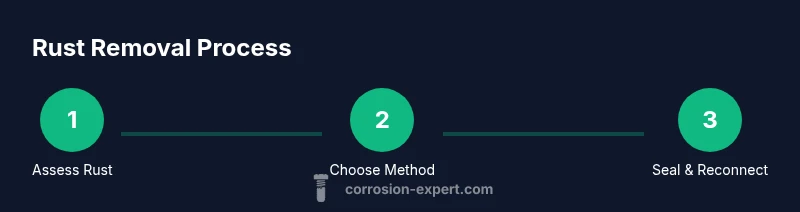
According to Corrosion Expert, removing rust from a gas tank begins with safety and assessment. If rust is superficial, use a gasoline-compatible cleaner and liner kit following manufacturer directions; for heavier corrosion, professional tank cleaning or replacement is recommended. Internal tank work can be hazardous, so weigh DIY versus hiring a pro.
Understanding Rust in Gas Tanks
Rust inside a gas tank is more than a cosmetic nuisance. Ferrous oxide forms when iron or steel parts contact moisture and oxygen; inside a fuel system, rust particles can break free and clog fuel filters, injectors, and screens. Even a small amount of rust can alter fuel flow, fuel-air mixture, and engine performance. The risk is greater in older vehicles or in humid climates where condensation is common. In some cases, rust acts as a trap for rust flakes, which can lodge in the pickup screen or cause sudden fuel-starved stalls. The goal of this guide is to explain practical, safety-conscious approaches for how to remove rust in gas tank without compromising fuel system integrity.
Corrosion Expert notes that interior rust is a form of corrosion that can propagate through the fuel system if not addressed properly. Addressing rust early reduces the risk of filter clogging or injector damage and helps protect the fuel pump. Remember, safe handling and correct methods are essential to avoid introducing contaminants into the fuel stream.
Safety First: Assessing Rust and Vehicle Condition
Before touching a tank, establish a safety-first workflow. Work in a well-ventilated area, away from open flames or sparks, and keep a fire extinguisher within arm’s reach. Disconnect the vehicle’s battery and, if possible, relieve pressure from the fuel system according to the service manual. Visual and tactile inspection helps determine rust severity: look for scaling, pitting, or holes on the tank's exterior, filler neck, and any attached fuel lines. Inside the tank, rust that flakes or crumbles when probed indicates more serious corrosion. Corrosion Expert emphasizes that exterior rust can sometimes be addressed without opening the tank, but interior rust often requires professional intervention or tank replacement.
DIY Approaches: Exterior Cleaning, Additives, and Tank Liners
For light surface rust on the exterior, use a non-acidic metal polish and a soft brush to remove the oxide layer, followed by a protective coating to slow future corrosion. Do not apply aggressive acids or solvents near gasoline systems, as fumes can ignite. Interior rust requires caution: many DIY rust removers are not gasoline-compatible and can leave residues that foul the fuel system. If you choose to treat interior rust, select a gasoline-safe liner kit or a professional service designed for metal tank rehabilitation. A liner creates a barrier between the metal and fuel but must be installed exactly as directed by the manufacturer. If you opt for chemical cleaners, ensure they are compatible with gasoline and that you completely flush the system to avoid introducing contaminants.
When Internal Rust Is Severe: Professional Options
Heavy internal rust with deep pits or holes compromises tank integrity and fuel containment. In such cases, the safer route is to replace the tank or have a professional perform a complete interior reline using industry-approved methods. A professional will typically drain the tank, clean the interior, apply a certified liner, and pressure-test the system to confirm there are no leaks. If replacement is pursued, ensure the new tank meets your vehicle’s specification and that the fuel sender, fuel pump, and lines are checked for corrosion. Early consultation with a trained technician can help determine whether a liner or full replacement is the best path forward.
Choosing the Right Remedy: Liners, Cleaners, or Replacement
The choice depends on rust location, severity, and your tolerance for downtime. Exterior rust can be managed with regular maintenance and protective coatings. Interior rust treatment often employs gasoline-compatible liners or dedicated rust removers; liners are effective for moderate rust but require precise installation. Replacement is the most certain path for extensive corrosion, but it is also the most expensive. Corrosion Expert recommends evaluating the cost, fuel-system safety, and whether ongoing maintenance is feasible for your vehicle before deciding.
Reassembly, Testing, and Preventive Maintenance
Reinstall the tank with care, reconnect fuel lines and electrical sensors, and check all seals for leaks. Refill with clean fuel and start the engine in a safe area, observing for any fuel odors or performance issues. Run the engine at a light load for several minutes, then inspect for leaks around the tank and lines. To prevent future rust, store the vehicle in a dry environment, add a fuel stabilizer if you don’t drive often, and perform periodic inspections of the fuel system and tank. Regular maintenance can extend the life of your fuel system and reduce the likelihood of rust returning.
Tools & Materials
- Safety gear (goggles, chemical-resistant gloves, respirator)(to protect eyes, skin, and lungs from fumes and splashes)
- Fire extinguisher (ABC class)(keep nearby in case of flare-ups)
- Vehicle service manual or manufacturer instructions(for proper tank removal procedures)
- Drain pan and funnel(to collect fuel and avoid spills)
- Gas tank removal tools (socket set, screwdrivers, jack stands)(to safely lift and remove the tank)
- Gasoline-compatible rust remover or tank liner kit(choose a product compatible with gasoline or liner kit; follow label instructions)
- New fuel filter and fuel lines (optional)(replace if replacement path is chosen or if lines show corrosion)
- Clean rags and sealable container(for cleanup and containment of spills)
Steps
Estimated time: 3-6 hours
- 1
Prepare safely
Set up a ventilated workspace, disconnect the battery, and clear the area of ignition sources. Gather all materials and confirm you understand the manufacturer’s safety warnings before starting.
Tip: Have a buddy present and keep a fire extinguisher within reach. - 2
Drain and vent the system
Drain accessible fuel from the tank into a approved container and vent fumes in a well-ventilated, non-sparking area. Do not work with a full tank or near any open flames.
Tip: Use a sealed drain pan to prevent spills. - 3
Remove the fuel tank
Follow the vehicle service manual to safely detach the tank. Support with stands and label hoses to ensure proper reassembly later.
Tip: Document hose and line routes with photos. - 4
Assess interior rust severity
Look inside the tank if you can access the opening; check for pits, scale, or holes. If severe rust is visible, consider professional cleaning or replacement.
Tip: If you’re unsure, stop and consult a pro. - 5
Apply interior treatment or liner
If using a liner kit, follow the exact installation steps and curing times specified by the manufacturer. For additives, ensure product compatibility with gasoline and flush thoroughly.
Tip: Do not rush the curing process. - 6
Reinstall and reconnect
Reattach the tank, fuel lines, and sensors. Refill with clean fuel and inspect for leaks after initial start.
Tip: Tighten seals to manufacturer specs and test in a controlled area. - 7
Test drive and monitor
Run the vehicle gently for 10–15 minutes, then recheck for fuel odor or leaks. Schedule a follow-up inspection if symptoms persist.
Tip: Keep a log of any performance changes.
Quick Answers
Is it safe to remove rust from a gas tank at home?
DIY work on a gas tank can be hazardous due to fumes and fire risk. If you proceed, ensure ventilation, avoid sparks, and follow manufacturer instructions. For interior rust or significant corrosion, professional service is recommended.
Removing rust from a gas tank at home is risky and often best left to professionals, especially for interior rust.
What are signs that rust is too severe for DIY repair?
Pitting, scaling, holes, or fuel leaks indicate severe internal corrosion that may compromise tank integrity. If you see flakes or deep pits, consult a pro rather than attempting a home fix.
If you notice pits, holes, or leaks, you should stop DIY attempts and seek professional evaluation.
What is a rust liner kit and does it work?
A liner kit coats the interior to form a barrier against fuel and rust. Effectiveness varies by kit and rust level; proper surface prep and curing are essential.
A liner kit can work for moderate rust when installed correctly, but not all kits suit every vehicle.
Can I replace the tank or must I repair?
If interior corrosion is extensive, replacement is often the safer and more reliable option. A pro can assess whether a liner or full replacement is best.
Severe rust usually means replacement is safer than attempting a risky repair.
What safety precautions should I take before starting?
Work in a ventilated area, wear PPE, avoid sparks, and have a fire extinguisher ready. Disconnect the battery and follow vehicle manufacturer guidelines for fuel-system work.
Make safety your first step, with ventilation and PPE at the ready.
Watch Video
Quick Summary
- Assess rust severity before attempting repairs
- Use only gasoline-compatible products and liners for interior work
- Heavy or pitted rust often requires professional service or tank replacement
- Safety and ventilation are non-negotiable for any gas-tank work
- Plan downtime and budget for potential tank replacement if necessary