Home Depot Rust Removal: A DIY Guide for Homeowners
Practical, step-by-step rust removal for items bought at Home Depot. Learn mechanical cleaning, chemical options, safety, and protective finishes to extend metal life.


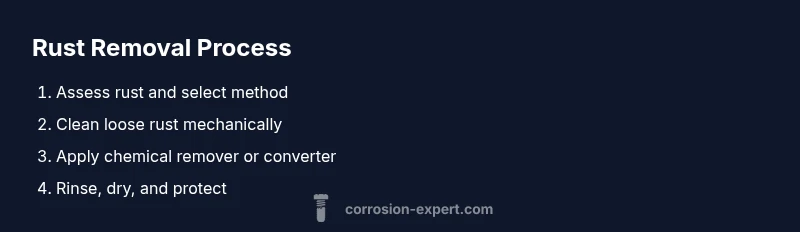
Goal: Remove rust from common metal items you buy at Home Depot, like tools, hardware, and outdoor furniture. You’ll need basic PPE, a few rust-removal products, and common tools. Start with gentle mechanical cleaning, then use a rust remover or converter for tougher spots, and finish with a protective coating to slow future corrosion. This quick answer previews the full step-by-step guide below.
Why rust forms on metal items you buy at Home Depot
Rust is the natural result of iron reacting with oxygen in the presence of water. Outdoors and in humid environments, even materials that seem sturdy will corrode over time. Home Depot rust removal projects often involve items made from steel, cast iron, or galvanized steel, all of which can rust at different rates. According to Corrosion Expert, moisture exposure and protective coating wear are the primary drivers of early rust. Understanding this helps you choose the right removal approach and avoid damaging the base metal.
Key idea: rust begins at the surface and progresses if moisture and salts remain. [Corrosion Expert] recommends tailoring your approach to the metal type and environmental conditions.
Surface rust vs. deep corrosion: how to tell
Surface rust sits on the metal’s surface and is usually easier to remove. If you can wipe it away with a cloth or scrub it with a brush, you’re likely dealing with surface rust. Deep corrosion, on the other hand, creates pits or flaking that goes beyond the top layer. To test, gently probe with a tool; if the metal feels soft or flakes away, plan for more aggressive treatment or replacement. Corrosion Expert notes that superficial rust responds best to combined mechanical and protective finishes.
For homeowners, a quick visual check and a light scratch test can save time and money by avoiding over-treatment.
Gather the right tools and products from Home Depot rust removal aisles
Before you start, collect items for cleaning and protection. Look for basic PPE (goggles, gloves, respirator), a wire brush, sandpaper, and rust removal products such as gels or liquids. You’ll also want a rust converter for tougher spots and a rust-inhibiting paint or sealant for post-treatment protection. Keep masking tape and rags handy for clean lines. This preparation reduces surprises and keeps you safe while you work.
Tip: group tools by their job (abrasive vs. chemical) to stay organized and efficient.
Mechanical cleaning methods that work on tools and hardware
Mechanical cleaning removes loose rust and smooths the surface to expose clean metal. Start with a stiff nylon brush or brass brush to avoid scratching delicate finishes. Move in short, firm strokes across the grain or along edges. For stubborn crust, switch to finer sandpaper (80-120 grit) and work gradually. Dry the item completely before applying any chemical rust remover to prevent dilution or splatter.
Pro tip: keep strokes consistent and check progress at regular intervals to prevent gouging the metal.
Chemical rust removers, converters, and safe use
Chemical rust removers dissolve or chelate rust, speeding up the cleaning process. Choose products labeled safe for the metal you’re treating and follow the manufacturer’s dwell times. If you encounter tougher rust, a rust converter can convert iron oxide into a stable compound, forming a ready-to-paint surface. Always work in a well-ventilated area, wear PPE, and test products on a hidden spot first to avoid color changes or damage.
Safety note: never mix cleaners; use one product at a time and follow disposal guidelines for spent solutions.
Protective finishes to slow recurrence and extend life
After removing rust, protect the metal to slow re-formation. Use a rust-inhibiting primer and paint, or a clear protective sealant for bare metal. If the item will be outdoors, choose coatings with UV resistance and water repellency. Reapply coatings as recommended by the product label, and store items in a dry, ventilated area to maximize longevity.
Pro-tip: apply thin coats and allow full cure between layers for best protection.
DIY workflow: rust removal on a common outdoor tool (example)
Consider a rusty garden shovel. Start by cleaning surrounding soil and debris. Put on PPE, secure the shovel, and scrub off loose rust with a brush. Apply a rust remover to the shovel’s head, keep it damp as directed, then rinse and dry thoroughly. Finish with rust-inhibiting primer and paint; cure fully before storage. This concrete example helps visualize the sequence and timing of steps.
Note: adapt dwell times and coatings to the specific metal involved and the outdoor exposure expected.
Safety, PPE, and hazard considerations
Safety matters in every rust removal project. Wear eye protection, gloves, and a respirator when using chemical cleaners. Work in a well-ventilated space and keep children and pets away. Read labels for hazardous ingredients and proper disposal instructions for spent solutions. If you cut yourself or experience a chemical splash, rinse immediately and seek medical advice.
Always follow local disposal regulations for hazardous waste.
Maintenance and prevention to extend rust life
Prevention is cheaper than repeated removal. Store metal items in a dry place and wipe them down after use to remove moisture and salts. Apply protective coatings as soon as surfaces are dry. Regularly inspect for early signs of rust and reapply coatings as needed. For ongoing projects, keep a small maintenance kit on hand so you can act quickly.
Tools & Materials
- Safety goggles (ANSI Z87.1)(Protect eyes from splashes and flying particles)
- Nitrile gloves(Chemical-resistant, avoid latex with solvents)
- Respirator or dust mask(P100 or chemical cartridge for chemical fumes)
- Long-sleeved clothing and apron(Protection against splashes and sparks)
- Wire brush (nylon or brass)(Initial rust removal without scratching base metal)
- Sandpaper (80-120 grit)(Smoothing after initial rust removal)
- Steel wool (fine grade)(For stubborn spots without scratching delicate finishes)
- Plastic drop cloth(Protect working area from drips and dust)
- Bucket or container for soaking(Contain cleaners and rinse water)
- Rags or paper towels(Wipe and dry surfaces thoroughly)
- Rust remover gel or liquid(Follow label dwell time and safety precautions)
- Rust converter (optional)(Converts deep rust to a stable surface)
- Rust-inhibiting primer or topcoat(Prevents future rust and extends life)
Steps
Estimated time: 60-90 minutes
- 1
Assess rust and prep workspace
Survey the item and note rust severity. Clear the area, remove movable parts if possible, and lay down a drop cloth. Decide which method to use based on metal type and rust depth, and organize your materials before starting.
Tip: Take photos from multiple angles to track progress. - 2
Protect yourself and surroundings
Put on PPE and ensure ventilation. Move pets away and cover nearby surfaces. This step reduces exposure to cleaners and debris during the cleaning process.
Tip: Ventilate the workspace and keep a spill kit handy. - 3
Remove loose rust mechanically
Use a stiff nylon or brass brush to scrub away loose rust. Work with steady, short strokes and check for progress frequently to avoid scratching the base metal.
Tip: Avoid aggressive scrubbing that can gouge the surface. - 4
Apply chemical rust remover or converter
Apply the product evenly over rusted areas and follow the recommended dwell time. For stubborn spots, repeat as needed or switch to a converter for a stable, paint-ready surface.
Tip: Test a hidden area first to assess color change risk. - 5
Rinse, dry, and inspect
Rinse off residue with clean water and dry thoroughly. Inspect for remaining rust and re-treat any spots if necessary before coating.
Tip: Use a hair dryer on low heat to speed drying if indoors. - 6
Apply protective coating and cure
Apply a thin, even layer of primer or topcoat designed for rust prevention. Allow full cure time per product instructions and store in a dry area.
Tip: Apply multiple thin coats rather than a single thick coat.
Quick Answers
What is the best rust removal method for tools bought at Home Depot?
For most tools with surface rust, start with mechanical cleaning using a wire brush, then apply a remover or converter for stubborn spots, and finish with a protective coating.
Begin with mechanical cleaning, then treat with a remover or converter, and seal with a protective coating.
Can rust be removed from galvanized steel?
Rust on galvanized steel is more challenging because the zinc coating protects the steel. If rust breaks through, you may need specialized products and possibly replacement for severely pitted areas.
Galvanized steel rust is trickier—consider specialized products and replacement if pitting is severe.
Is it safe to use chemical rust removers indoors?
Yes, with proper ventilation and PPE; always follow the product directions and keep chemicals away from children and pets.
Yes, but ventilate well and wear PPE.
How long does rust prevention last after painting?
Durability depends on prep, environment, and coating quality. Reapply as recommended by the product label and inspect regularly for wear.
Protection varies; recoat when the coating shows wear or environmental exposure increases.
What PPE is essential for rust removal?
Safety glasses, gloves, and a respirator or mask for chemicals; long sleeves and closed shoes add protection.
Wear eye protection, gloves, and a respirator.
What should I do with heavily rusted items?
If rust has caused major pitting or structural weakness, replace the item rather than attempting repairs.
If the metal is heavily pitted or weak, replacement is safer.
Watch Video
Quick Summary
- Assess rust to select the right method
- Use proper PPE and ventilation for safety
- Combine mechanical cleaning with chemical treatments for best results
- Finish with a rust-inhibiting coating to extend life
- Follow up with maintenance to prevent recurrence