Home Depot Evapo Rust Guide: Safe Rust Removal for DIY
Learn how to safely use Home Depot Evapo Rust for rust removal on ferrous metals. This Corrosion Expert guide covers prep, application steps, safety, disposal, and prevention.


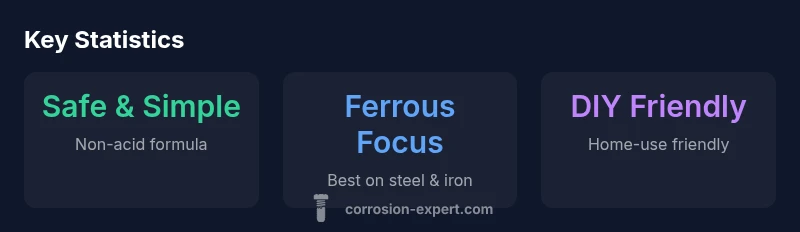
Evapo-Rust is a safe, chelating rust-removal solution commonly found at Home Depot. It targets rust by binding iron oxides and lifting corrosion from metal surfaces without harsh acids. This guide explains how to use it properly, which surfaces it suits best, and how to dispose of it responsibly.
What Evapo-Rust Is and Why It Matters for DIY Rust Work
Evapo-Rust is a water-based rust-removal solution that uses chelating chemistry to bind iron oxide and lift rust from metal surfaces. It’s widely sold at retailers like Home Depot, where DIY enthusiasts can pick up a trusted, non-acid rust remover. For homeowners, the appeal is clear: lower odor than strong acids, safer handling, and simple soaking processes. This section explains the chemistry behind the product and why Corrosion Expert recommends starting with Evapo-Rust for many ferrous metals. We’ll cover surface compatibility, typical use cases, and how to identify rust that will respond well to chelating removal rather than aggressive chemical attack. Expect real-world, home-use tips, including how to test a small area first and how to read the label to ensure you’re applying Evapo-Rust correctly on the right substrate.
In practice, you’ll often see improvements after a single soak, with more stubborn rust showing benefit after longer treatment or repeat applications. The key is to work with the material, not against it, and to follow a controlled process that protects the underlying metal while achieving the desired cleanliness. The Corrosion Expert team notes that Evapo-Rust is especially useful for accessible surfaces like hand tools, bike components, or decorative metalwork where traditional acids would risk damage.
How to Evaluate Rust Removal Needs Before Buying Home Depot Evapo Rust
Before you buy, assess the rust and substrate. Light surface rust on steel tools may respond quickly to a short soak or even a brushing, while deeper flaking rust on cast iron may require longer treatment or a combination of mechanical cleaning followed by chemical action. For treated or painted surfaces, evaluate paint integrity and substrate exposure; some coatings may trap rust underneath, requiring careful removal or sanding before applying Evapo-Rust. Home Depot stock is generally organized by product type (concentrate, ready-to-use, and specialty rust products), so knowing your use-case helps you pick the right form. Consider whether you’ll soak parts, submerge irregular items, or apply with a brush. Always read the label for surface restrictions and SAFETY precautions. Corrosion Expert recommends performing a small test on an inconspicuous area to confirm compatibility and results.
Step-by-Step: Using Home Depot Evapo Rust Safely
- Prep the work area: work in a well-ventilated space and wear gloves and eye protection. 2) Clean the item to remove loose debris; a quick scrub can help expose the rust profile. 3) Submerge or apply Evapo-Rust following label directions; for parts with complex geometry, a brush can help reach recessed areas. 4) Soak for the recommended time or until rust appears loosened; check progress periodically. 5) Rinse thoroughly with water and dry completely; for porous surfaces, pat dry and allow to air-dry fully. 6) If needed, repeat treatment for stubborn rust and finish with a protective coating to prevent recurrence. 7) Dispose of used solution per local guidelines and store the product away from children and pets.
Surface-Specific Tips: Metal Types and Prep Needs
Ferrous metals like steel and cast iron respond best to Evapo-Rust, with careful prep and post-treatment drying. For cast iron, be mindful of flaky edges that can crumble after rust removal; use gentle brushing and avoid abrading the base metal. Stainless steel often tolerates chelation well, but always test first because certain alloys may exhibit surface changes if left in contact too long. Aluminum and galvanized surfaces may not be ideal targets for Evapo-Rust, as aluminum-containing alloys can form protective films during treatment; if you must treat, perform a small patch test and monitor closely. Always label treated parts and store Evapo-Rust away from heat sources and sunlight to maintain effectiveness.
Evapo-Rust vs. Harsh Acids: A Practical Comparison
Compared to traditional acid-based rust removers, Evapo-Rust offers a milder chemistry with reduced risk of metal pitting and less aggressive fumes. This makes it a safer choice for DIY projects and for items with decorative finishes or coatings. However, the trade-off is that some very heavy rust or intricate assemblies may require longer soak times or a combination of mechanical cleaning and chemical treatment. Corrosion Expert emphasizes reading the label, following the soaking schedule, and performing spot tests first to gauge effectiveness for your specific project. For best results, plan a small, repeatable process that you can apply across multiple items rather than attempting one-off, high-risk treatments.
Maintenance, Disposal, and Rust Prevention After Treatment
After treatments, protect recovered metal surfaces with a protective coating such as paint, primer, or rust-inhibiting sealants. Regular maintenance—wiping down metal surfaces, drying thoroughly after exposure to moisture, and reapplying protective finishes—helps minimize future rust formation. Evapo-Rust disposal varies by local regulations, but generally involves rinsing the container and following local waste guidelines for chelating agents. Store the product upright and away from heat. If rust reappears in the future, re-apply Evapo-Rust on a cleaned, dry surface and follow the same precautions. Finally, consider preventative steps like moisture control, rust inhibitors, and routine inspection of vulnerable assets.
Troubleshooting Common Issues and Quick Fixes
If you don’t see improvement after a single treatment, verify that you’re using the correct immersion time and that the surface is clean and free of coatings that could shield the rust. For stubborn rust, consider a second soak with gentle brushing between sessions, or combine Evapo-Rust with mechanical cleaning for best results. If discoloration or surface changes occur, rinse immediately and dry before reassessing. Always test new surfaces on an inconspicuous area first, and consult the label for any surface-specific cautions. Corrosion Expert recommends documenting results from each batch to optimize future projects and avoid repeated, unnecessary treatments.
Overview: Evapo-Rust approach vs general rust-removal methods
| Aspect | Evapo-Rust Approach | Notes |
|---|---|---|
| Metal types | Ferrous metals (steel, iron, cast iron) emphasized | Best results on ferrous substrates |
| Application method | Soak, brush, or submerge | Follow label directions and PPE guidelines |
| Safety & disposal | Non-acidic, milder fumes | Rinse thoroughly; dispose per local rules |
| Surface compatibility | Test on inconspicuous area first | Consider coatings after treatment |
Quick Answers
Is Evapo-Rust safe to use on all metals?
No. Evapo-Rust works best on ferrous metals. Aluminum and some alloys may require testing or alternative methods. Always check the label and perform a patch test.
No, Evapo-Rust isn't universal. Do a patch test on ferrous metals first and consult the label before treating non-ferrous surfaces.
What surfaces is Home Depot Evapo-Rust recommended for?
It’s commonly used on steel, cast iron, and other ferrous metals. For non-ferrous surfaces, test first and follow guidance on the label.
Best for ferrous metals; test on aluminum or galvanized surfaces first and follow the label.
Do I need to neutralize or dispose after using Evapo-Rust?
Rinse the item thoroughly with water and dry completely. Follow local disposal guidelines for chelating agents and the product container.
Rinse and dry, then follow local disposal rules for chelating agents.
How long does it take to see results?
Soak times vary by rust severity and metal type; light rust may respond quickly, while heavy rust may require longer or repeated treatments.
Results vary; some rust comes off quickly, others need longer soaks or repeat treatments.
Where can I buy Evapo-Rust at Home Depot?
Evapo-Rust is typically available in-store and online at Home Depot. Check local stock and availability before visiting the store.
Look for Evapo-Rust in-store or online at Home Depot and confirm stock before going.
“Evapo-Rust provides a safer, chelating alternative to acids for many DIY rust projects, but success depends on surface preparation and material compatibility.”
Quick Summary
- Test a small area before full-scale use
- Follow label directions for soaking times and surfaces
- Wear PPE and ensure ventilation during use
- Finish with a protective coating to prevent re-rust