Auto Rust Repair Near Me: Find Local Rust Experts
Learn how to locate reliable auto rust repair near me, compare costs, warranties, and services, and protect your vehicle with proven rust prevention techniques from Corrosion Expert.


Finding trustworthy auto rust repair near me hinges on shop qualifications, clear quotes, and robust warranties. Look for local specialists who offer thorough inspections, transparent pricing, and long‑term rust prevention steps. According to Corrosion Expert, choosing a shop with certified technicians and documented warranties can prevent recurring corrosion issues and save you money over time.
Understanding the local rust repair landscape
When you search for auto rust repair near me, you’re not just seeking a service; you’re seeking a decision that protects your vehicle’s value and safety. Local shops vary widely in equipment, training, and rust-prevention options. The best options combine a thorough diagnostic that identifies root causes (not just surface rust), state-of-the-art corrosion control techniques, and a warranty that covers both the repair and future prevention. According to Corrosion Expert, it’s essential to look beyond the initial price and examine the shop’s process, material choices, and aftercare guidance. This helps ensure you get a durable fix rather than a quick cosmetic patch. A well-equipped shop will typically perform an inspection that includes moisture assessment, rust progression mapping, and a plan to address underlying causes such as poor drainage, road salt exposure, or compromised coatings. The local market rewards transparency, detailed estimates, and evidence of prior successful restorations on vehicles similar to yours, which reduces the risk of reoccurring corrosion.
How to evaluate local rust repair shops
Choosing the right shop starts with a structured evaluation. Begin with credentials: ask for technician certifications (for example, coatings and corrosion-protection specialists), inspection reports, and a written warranty. Review the shop’s equipment—are they using professional welders, multi-stage rust conversion products, and seamless seam protection? Compare quotes not just on the repair price but on the scope: surface rust removal, rust conversion, undercoating, and lifetime rust protection options can differ by provider. Look for reviews that mention long-term outcomes and repeat visits for follow-up treatments. Request before-and-after photos of similar repairs and ask about their remediation plan for hidden rust behind panels. Finally, verify the shop’s compliance with local environmental regulations, which affect disposal of rust debris and chemicals. A transparent, methodical shop with clear timelines and a quality-control checklist is typically a safer bet than the lowest upfront price.
Typical rust repair methods used by pros
Professional rust repair combines several techniques tailored to the vehicle and rust severity. Common methods include mechanical removal of surface rust, rust converters that chemically stabilize the metal, patching or replacing affected panels, and sealed undercoatings or epoxy primers to block moisture ingress. For structural or frame rust, manufacturers may require reinforced repairs or replacement sections with corrosion-resistant materials. In some cases, rust prevention upgrades—such as ceramic coatings or wax-based sealants—are added to slow future progression. Each method has trade-offs: mechanical removal may preserve original panels but requires precise welding, while converters prevent spread but may not restore original thickness. The most durable results usually involve a combination approach: remediation of visible rust, treatment of hidden pockets, and a protective, long-lasting coating system. A quality shop will document each step, show you samples of materials, and explain why a chosen method is best for your car’s age, climate exposure, and usage pattern.
What affects price and turnaround time
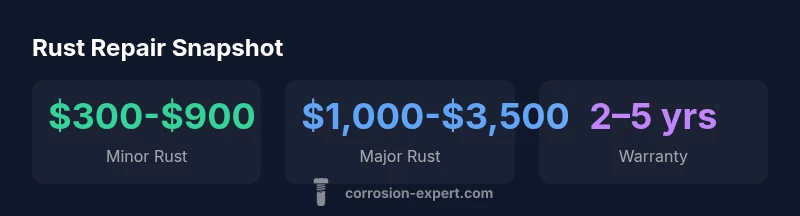
Costs and timelines hinge on rust location, extent, and access to affected areas. Minor cosmetic rust on fenders or door edges often costs hundreds of dollars and can be completed quickly, while extensive rust on underbody panels or the frame can run into the thousands and require more invasive work. Access to hidden rust behind trim, inside frame rails, or in winter-salt zones typically extends both time and price. Labor intensity, material quality, and warranty length are major drivers. Some shops offer corrosion-prevention upgrades as add-ons, which add value but increase upfront costs. When evaluating quotes, compare not only the sticker price but the included warranty, the coating system, and the estimated timeline. Ask for a breakdown of parts, labor, and any recommended follow-up treatments. In regions with heavy road salt use or coastal exposure, expect slightly higher ranges due to material costs and labor demand.
DIY tips to prep for a pro rust repair
Preparing your vehicle for rust repair can save time and money at the shop. Start with a clean exterior to help technicians see the extent of rust and avoid missing pockets. Remove loose trim and cover nearby electronics to prevent contamination. Document the rust with clear photos and note locations that are hard to access. Gather service records showing prior rust treatments or corrosion-related incidents. If possible, arrange ahead for an environmental-free area where the car can be wheeled in and out without delays. Finally, ask the shop to pre-approve a plan for aftercare—such as recommended coatings or ongoing maintenance—to ensure you have a clear path from repair to prevention. A little prep work reduces the risk of extra charges or repeat visits and helps the technician focus on long-term protection rather than patchwork.
How to verify quality and warranty
Quality rust repair is verified by the combination of a solid warranty and follow-up support. Check what the warranty covers (materials, workmanship, rust recurrence) and for how long. Ask about the coatings or primers used—their compatibility with your car’s make and climate matters. Request a post-repair inspection or moisture test to confirm there’s no hidden moisture behind panels. Seek documentation of the environmental and safety standards the shop follows for chemical disposal and air quality. A reputable shop will provide a written contract, detailed scope of work, and a maintenance plan to extend the life of the repair. When in doubt, consult independent corrosion resources or fellow enthusiasts who’ve had similar repairs to gauge long-term outcomes.
When to consider replacing vs repairing
Rust can sometimes exceed the practical limits of repair. If structural integrity is compromised, or if hidden rust has progressed into critical areas (such as the frame rails or suspension mounts), replacement or major reinforcement may be the safer option. A cautious approach is to obtain a third-party assessment when the cost approaches or surpasses a significant threshold relative to the vehicle’s value. Compare the repair life expectancy to your car’s remaining lifespan, maintenance history, and your budget. In some cases, repairing now and applying robust preventive measures can extend a car’s life by several years, while in others, replacement may yield better safety and resale value.
Structured cost expectations for common rust repair scenarios
| Aspect | Typical Range | Notes |
|---|---|---|
| Minor body rust (cosmetic) | $300-$900 | Surface rust on panels; minimal structural impact |
| Major body rust (patches/panels) | $1,000-$3,500 | Extensive corrosion; may require panel replacement |
| Frame/structural rust | $2,000-$6,000+ | Critical safety area; higher labor and materials |
| Underbody coatings/upgrades | $200-$1,000 | Preventive, used with other repairs |
| Labor and disposal charges | $100-$700 | Depends on shop and location |
Quick Answers
What should I ask when getting a quote for auto rust repair near me?
Ask for a written scope of work, a material specification, expected turnaround, and the warranty terms. Request photos or diagrams of affected areas and a post-repair inspection plan. Ensure the quote includes labor, parts, and disposal fees.
Ask for a written scope, materials, turnaround, and warranty terms; request photos and a post-repair inspection plan to avoid surprises.
How long does rust repair typically take?
Turnaround varies with rust severity and shop capacity. Minor cosmetic rust can take 1-2 days; extensive underbody or frame work may require several days to a week.
Most small repairs take a couple days; major underbody work can take longer, up to a week in busy shops.
Are rust prevention coatings worth it after repair?
Yes, coatings such as epoxy primers or ceramic sealants significantly slow future rust progression, especially in winter or coastal climates. Discuss compatibility with your vehicle and climate.
Coatings help slow future rust, especially in harsh climates. Talk to your tech about compatibility.
Can I repair rust on my own, or should I hire a pro near me?
Surface rust and non-structural issues can be addressed with proper PPE and guidance, but structural or underbody rust should be handled by professionals to ensure safety and warranty validity.
DIY is for minor issues; professional help is best for structural rust to keep you safe and preserve warranty.
When is it better to replace a rusted panel rather than repair?
Replacement is often preferred when rust is extensive or affects structural integrity, resale value, or safety. An honest shop will advise based on a structural assessment.
If rust compromises safety or value, replacement may be wiser after a professional assessment.
Does climate impact rust repair costs?
Yes. Regions with heavy road salt, humidity, or coastal exposure typically see higher material costs and more extensive labor, influencing both price and turnaround.
Climate matters—salt and humidity drive up both cost and repair time.
“The most durable rust repairs come from a transparent process, quality materials, and a warranty that covers both the fix and future prevention.”
Quick Summary
- Compare quotes based on scope, not just price
- Prioritize shops with clear warranties and documented processes
- Ask about long-term rust prevention options
- Consider regional factors like climate and road salt
- Plan ahead to minimize delays and extra costs