When to Rust Proof: Timing Your Rust Prevention
Learn when to rust proof your metal surfaces and the best timing, methods, and maintenance to protect tools, vehicles, and outdoor metal from corrosion.


By learning when to rust proof, you can prevent costly corrosion on metal surfaces around your home. This guide outlines ideal timing, prep steps, and product choices for tools, vehicles, fences, and outdoor hardware. With practical checks and climate-aware tips, DIYers can protect steel, iron, and aluminum effectively. Whether you DIY or hire help, start with a simple inspection to determine exposure and condition.
Why Timing Matters for Rust Proofing
Timing is the single most powerful lever in rust prevention. If you treat metal too late, you may trap moisture, allow corrosion to penetrate protective layers, and shorten the life of hardware, tools, and structural parts. Conversely, proactive rust proofing establishes a barrier before rust takes hold and buys you years of use with minimal maintenance. According to Corrosion Expert, understanding when to rust proof depends on exposure, material type, and seasonal moisture patterns. For example, coastal homes face higher salt exposure, while winter-road residues create mixed moisture environments inland. By aligning your plan with these factors, you reduce the risk of costly repairs and extend the service life of metal objects around the property.
Materials and Surfaces: What to Rust Proof
Not all metals require the same treatment. Steel and iron, common in fences, tools, and screws, are prone to rust when exposed to moisture and salt. Aluminum resists corrosion but can suffer from pitting if protective coatings are damaged, while stainless steel has excellent corrosion resistance but may still rust in crevices or under welds. The rust proofing strategy should match the surface and its use: outdoor furniture, gate hardware, and vehicle underbodies demand durable coatings; garden tools and grills benefit from quick-drying sealants; indoor pipes may require barrier coatings or paint with rust inhibitors. In this section, we outline surface types, typical exposure levels, and the corresponding protection approach to help you decide what to rust proof first and what to skip or schedule for later.
Climate and Environment: How Weather Affects Rust
Weather and climate largely determine how quickly rust progresses and how often you should refresh protective layers. High humidity, frequent rain, and coastal salt air accelerate corrosion. In temperate climates with wet seasons, inspections should be more frequent, especially on exposed metalwork. Dry interiors or climate-controlled garages reduce exposure, but even there, humidity fluctuations can cause surface condensation that starts rust. Consider also seasonal cycles: spring rains, winter road salt, and summer heat can each demand a different maintenance rhythm. Adapting your rust proofing plan to these conditions helps maintain a continuous protective barrier between the metal and the environment.
When to Start: Practical Timing Scenarios
Deciding when to rust proof begins with two questions: Is the surface new or already showing signs of rust? And what is its environment? For new installations, apply protective coatings before or during installation to form a robust barrier from day one. If you notice surface rust, address it promptly with rust converters or by cleaning and sealing before applying a protective topcoat. For items stored outdoors or near salt sources, consider a yearly inspection and reapplication schedule, with shorter intervals after severe weather or if you observe coating wear. These practical scenarios help you tailor timing without over-treating or under-protecting.
Step-by-Step Before You Apply
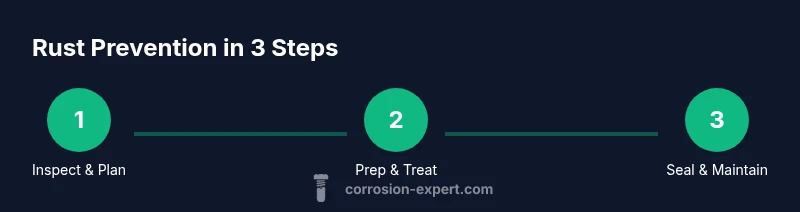
Before any coating, thorough prep matters more than the product you choose. Start by inspecting the surface for cracks, flaking paint, or deep pitting. Clean away dirt and grease with a degreaser and rinse well. Dry completely to prevent trapped moisture. If you find loose rust, abrade it with a wire brush or sanding pad until the area is smooth. Only then decide whether to apply rust converter, primer, or a direct-to-metal coating. Finally, choose a compatible topcoat and follow recoat intervals for the best seal. This front-end work reduces the chance of coating failure and ensures longer-lasting protection.
Product Choices and Application Methods
There are several product pathways for rust prevention, and the right choice depends on surface type and desired longevity. Rust converters chemically convert surface rust into a stable compound, then accept a coat of primer. Direct-to-metal primers provide a solid base for outdoor finishes, while rust-inhibiting paints seal the surface against moisture. For high-traffic tools and hardware, consider a clear or tinted protective oil or wax that repels water and reduces wear. Apply products in thin, even coats, allow proper drying times, and reapply as needed based on exposure. Always follow label instructions for ventilation and curing.
Maintenance and Longevity: Keeping Rust at Bay
Rust proofing is not a one-off effort; it requires ongoing maintenance. Schedule visual checks every season, especially after storms or heavy road salt use. Reinspect fasteners, welds, and joints for new rust spots and address them promptly. If you spot pitting or flaking, remove the damaged area and recoat to restore the protection. Store often-used metal items indoors when possible, and use protective coverings for outdoor hardware to reduce moisture and debris exposure. By treating rust prevention as a living plan rather than a one-time project, you protect value and safety.
DIY vs Professional Rust Proofing: Pros and Cons
DIY rust proofing gives you control, all while saving money. It’s well suited for tools, garden hardware, and light structural elements that don’t require heavy coatings. For vehicles, fences, or equipment subjected to harsh environments, professionals can offer longer-lasting systems and warranties, though at a higher upfront cost. Consider your timeline, budget, and tolerance for DIY methods when deciding who handles the job. In many cases, a hybrid approach—DIY prep and professional finish—offers a practical balance of cost and durability.
Tools & Materials
- Wire brush(Coarse wire brush for removing loose rust)
- Sandpaper (80-120 grit)(Scuffing for adhesion and rust removal)
- Degreaser or mineral spirits(Dissolve oils and grime)
- Clean rags(Drying and wiping surfaces)
- Rust converter(If rust is extensive, apply before primer)
- Rust-inhibiting primer(Base coat for outdoor finishes)
- Direct-to-metal paint (rust-inhibiting)(Topcoat for durability)
- Protective oil or wax(Light-duty protection for tools)
- Masking tape and drop cloths(Contain coatings and protect areas)
- Personal Protective Equipment (gloves, goggles, respirator)(Safety when sanding or applying chemicals)
- Masking material for joints(Prevent overspray on adjacent areas)
Steps
Estimated time: 2-6 hours depending on surface size, ventilation, and drying times
- 1
Assess surface and exposure
Begin with a visual check for rust lines, pits, and coating integrity. Note the environment: moisture, salt exposure, and sun. This informs the timing and product choice.
Tip: Document the area with photos to track progression over time. - 2
Clean and degrease the surface
Remove dirt, oil, and salts that can prevent adhesion. Rinse with clean water and dry completely before sanding.
Tip: Use a fan or open space to speed up drying and prevent humidity buildup. - 3
Remove loose rust
Abrade the surface with a wire brush or 80-120 grit sandpaper until bare metal is exposed and smooth.
Tip: Work from edges toward the center to avoid gouging the material. - 4
Treat remaining rust
Apply rust converter if rust remains after abrasion, then let it cure as directed before priming.
Tip: Test a small patch first to verify compatibility with primers. - 5
Prime and coat
Apply a rust-inhibiting primer in a thin, even coat. Follow with a compatible topcoat for outdoor use.
Tip: Avoid heavy coats that trap moisture and slow curing. - 6
Seal and maintain
Finish with a protective sealant or paint, then inspect regularly and recoat when wear appears.
Tip: Set a reminder for seasonal checks and recoat as needed.
Quick Answers
Why is timing important for rust proofing?
Timing determines effectiveness. Applying too late wastes effort, while early protection reduces corrosion risk and prolongs life. Consider climate and material when planning.
Timing matters because early protection prevents rust and late protection wastes effort.
Should I rust proof new metal or wait for signs of rust?
Start with protective coatings on new metal installations to prevent rust. If you see early rust, address it before applying topcoats.
It's best to coat new metal early; if you see rust, address it before sealing.
What products work best for outdoor rust prevention?
Look for rust converters, rust-inhibiting primers, and weather-resistant paints. For metal tools, oils or waxes can provide ongoing protection. Always ensure compatibility with the surface.
Use durable primers and inhibitors designed for outdoor metal.
Is rust proofing safe for aluminum or stainless steel?
Aluminum and stainless steel resist rust but can benefit from protective barriers for joints or welds. Avoid incompatible coatings that could trap moisture.
Some coatings work, but check compatibility for non-ferrous metals.
How often should you reapply rust protection?
Reapply based on exposure: annual checks in mild climates, more frequent in coastal or salted environments. Watch for coating wear and recoat when you notice thinning.
Check coatings yearly and reapply as needed in tough environments.
Watch Video
Quick Summary
- Inspect regularly and act early.
- Match coating to material and environment.
- Prep thoroughly to maximize adhesion.
- Reapply as exposure dictates.
- Use a mix of DIY prep and professional finish when needed.