How to Prevent Rust: A Practical DIY Guide for Homeowners
Learn how can rust be prevented with proven coatings, moisture control, and maintenance. This comprehensive guide covers materials, step-by-step protocols, and everyday tips for DIYers to protect metal surfaces at home.


You can prevent rust by limiting moisture, using protective coatings, and performing regular maintenance. Start with a moisture assessment, then dry surfaces, apply rust inhibitors or primers, and choose durable coatings for outdoor or high-humidity items. This approach works across steel, iron, and cast iron, and suits tools, hardware, and outdoor furniture.
What rust is and why prevention matters
Rust forms when iron or steel reacts with oxygen in the presence of moisture, creating iron oxide that compromises structural integrity over time. The reaction accelerates in humid environments, near coastal salt spray, or where acidic cleaners introduce electrolytes. For homeowners asking how can rust be prevented, the answer centers on limiting exposure and building a durable barrier. Prevention is more cost-effective than repair, reduces safety risks from weakened fasteners, and keeps tools and outdoor fixtures looking and performing well. By addressing moisture, choosing the right coatings, and maintaining surfaces, you can significantly slow corrosion in everyday objects—from garden tools to door hinges and snow shovels. Corrosion Expert analyses show that disciplined moisture control and proper coatings dramatically extend the life of metalwork. The following sections outline practical steps you can implement without specialized equipment, using common household products and widely available coatings.
Assessing rust risk in your environment
Rust risk depends on exposure, material, and maintenance history. Indoor spaces with stable humidity pose less risk than outdoor areas or garages that experience temperature swings and moisture ingress. Coastal homes face higher salinity that accelerates corrosion on bare steel and iron. If your environment subjects items to rain, splashes, or salt, plan for more frequent inspection and more robust protective measures. A quick audit includes examining for visible corrosion, looking for white oxide on galvanized surfaces, checking for damp pockets behind stored tools, and noting any cleaning chemicals that could impact coatings. Understanding these factors answers the essential question of how can rust be prevented in your unique setting. DIYers can start by measuring humidity in critical storage zones and identifying items that stay damp after use. From there, you’ll tailor coatings and storage strategies to prolong life and reduce maintenance.
Material choices and coatings for prevention
To prevent rust, you have several effective options depending on use, budget, and aesthetics. Protective paints or powder coatings with rust-inhibiting primers form strong barriers against moisture. Zinc-rich primers provide sacrificial protection on steel, while epoxy or polyurethane topcoats offer durable, chemical-resistant surfaces. Galvanizing (hot-dip or electroplating) delivers long-lasting corrosion resistance for structural parts, while stainless steel resists rust in many environments but isn’t foolproof under extreme conditions. For surfaces that can’t support heavy coatings, rust converters can stabilize existing rust and prepare for painting. Regular maintenance includes cleaning surfaces to remove salts and grime, then applying fresh coatings before wear appears. Remember: the best prevention combines cleaning, drying, and protecting in layered steps. Corrosion Expert recommends selecting coatings suited to your climate and usage, and avoiding incompatible products that can trap moisture.
Step-by-step home rust prevention protocol
This section provides a practical plan you can implement this weekend to prevent rust on typical home items. Start with a plan, then perform maintenance routines that fit your schedule. The key is consistency and choosing compatible products for the metal type involved. For outdoor metalwork, consider coatings with UV resistance and salt spray tolerance. For indoor items, prioritize moisture control and easier-to-recoat finishes. The goal is to create an ongoing habit of inspection and care that reduces the likelihood of rust taking hold. If you maintain this routine, you’ll minimize structural damage and keep your metal assets looking and performing their best.
Maintenance routines to keep rust at bay
Prevention is an ongoing process. Establish a seasonal maintenance calendar that includes inspection after wet seasons, reapplication of protective coatings, and humidity checks in storage areas. Regular cleaning removes corrosive residues that can trap moisture against the surface. Use silica gel packs or a dehumidifier in enclosed spaces, especially garages and basements where temperature and humidity fluctuate. Store tools off concrete slabs to avoid moisture wicking, and avoid storing damp items in plastic bins that trap humidity. Periodic lubrication on moving parts reduces moisture accumulation in crevices and joints. The aim is a proactive routine that detects early signs of corrosion, allowing you to recoat or replace coatings before rust penetrates the base metal.
Common myths and mistakes to avoid
A frequent misconception is that any coating will prevent rust forever. In reality, coatings require proper surface prep and compatibility with the metal. Another pitfall is applying thick coats that trap moisture; thin, even layers cure better and last longer. Some DIYers underestimate the importance of drying time—moisture trapped under old layers accelerates rust. Don’t overlook fasteners and connectors; apply protective finishes to screws, bolts, and hinges to prevent crevice corrosion. Finally, assuming stainless steel is completely rust-proof leads to neglect; even alloys can corrode under harsh conditions or when coated with incompatible chemicals.
Rust prevention for different metal types
Steel and iron items benefit most from primers and barrier coatings, especially in humid or coastal environments. Cast iron frequently used in cookware and tools benefits from seasoned oil finishes or durable enamel coatings that seal pores. Stainless steel resists rust well but can still corrode in chloride-rich environments or when the surface becomes heavily abraded and pores open up. For outdoor metalwork, galvanizing or powder coatings provide superior protection. By tailoring your approach to the metal type, you can maximize protection and minimize maintenance costs over time.
Quick-start plan for DIYers
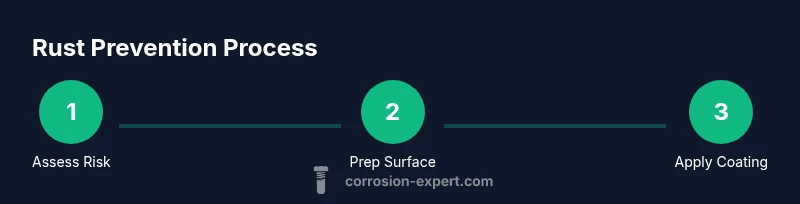
- Inspect items and categorize by environment (indoor vs outdoor, humidity exposure). 2) Clean surfaces with a degreaser and dry completely. 3) If needed, remove loose rust with a wire brush or sandpaper. 4) Choose a rust-inhibiting primer or protective coating suited to the metal type. 5) Apply thin coats and allow full curing between layers. 6) Add humidity control in storage areas and keep items dry when not in use. 7) Schedule regular inspections and recoat when wear appears. This simple plan is your fast track to reducing rust risk and extending the life of metal items.
Tools & Materials
- Gloves (chemical-resistant)(Nitrile or butyl gloves)
- Safety goggles(Protect eyes from chemicals and debris)
- Dust mask/respirator(Use when sanding or sprayeing coatings)
- Soft-bristle brush(For cleaning and dust removal)
- Rags or lint-free wipes(Used with degreasers and cleaners)
- Degreaser or mild solvent(Pre-clean metal surfaces)
- Wire brush or sandpaper (80-120 grit)(Remove loose rust and prepare surface)
- Rust converter (optional)(Pre-treat light rust before coating)
- Rust-inhibiting primer(Promotes adhesion and corrosion resistance)
- Protective coating (paint, enamel, or powder)(Choose based on environment and metal type)
- Sandpaper (320-600 grit)(Smoothing between coats)
- Sandable topcoat or sealant(Adds extra moisture protection)
- Dehumidifier or silica gel packs(Control indoor humidity)
- Painter’s tape and drop cloth(Protect surrounding areas during coating)
Steps
Estimated time: 2-3 hours
- 1
Assess rust risk and plan
Survey the items to treat, noting environments (indoors vs outdoors) and moisture exposure. Create a coating plan tailored to metal type and usage, ensuring compatible primers and topcoats. Document any existing corrosion for future comparison.
Tip: Create a simple grid of items and their environments to prioritize protection. - 2
Clean and dry surfaces thoroughly
Wash surfaces with a degreaser to remove oils and salts. Rinse, dry completely, and wait until no moisture remains. Proper drying is essential to ensure coating adhesion.
Tip: Use a heat source or fans to speed up drying in poorly ventilated spaces. - 3
Remove active rust if present
Light rust should be abraded away with a wire brush or 80-120 grit sandpaper. Wipe away dust and re-dry before coating. Deep pitting may require professional assessment.
Tip: Avoid over-sanding; aim for a clean, rust-free surface with slight texture for adhesion. - 4
Choose an appropriate rust inhibitor or primer
Select a rust-inhibiting primer for steel or iron, or a specialized converter if rust is minimal. Follow label directions for application and drying times.
Tip: Test a small area first to verify compatibility with the chosen topcoat. - 5
Apply coating evenly and allow to cure
Apply thin coats with even coverage, following manufacturer directions for curing times between layers. Avoid runs and sags by keeping coats light.
Tip: Apply multiple thin coats rather than one thick coat for durability. - 6
Control humidity and store properly
Use a dehumidifier or silica gel in storage areas. Store items off the floor and away from damp walls to reduce moisture exposure.
Tip: Keep a regular check on storage conditions, especially in basements and garages. - 7
Schedule maintenance and re-coating
Inspect coated surfaces periodically and recoat when you notice wear, chipping, or dullness. Timely maintenance prevents rust from re-entering the system.
Tip: Set calendar reminders for re-coating intervals based on environment.
Quick Answers
What is rust and why is it important to prevent it?
Rust is iron oxide formed when iron or steel reacts with moisture and oxygen. Preventing it protects structural integrity, extends the life of metal objects, and reduces replacement costs.
Rust is iron oxide from moisture and oxygen; preventing it protects structure and prolongs metal life.
Can rust be prevented on outdoor metal items?
Yes. Outdoor items benefit from protective coatings, galvanizing, and regular maintenance to resist moisture and salt exposure. Choice depends on usage and climate.
Outdoor rust prevention uses coatings, galvanizing, and maintenance suited to your climate.
What coatings are best for preventing rust?
Zinc-rich primers, epoxy or polyurethane topcoats, and powder coatings offer strong protection. Pair coatings with proper surface prep for longevity.
Zinc-rich primers plus epoxy or polyurethane topcoats provide strong rust protection.
Is rust removal before coating necessary?
Yes. Remove loose rust and clean the surface to ensure good adhesion. If rust is extensive, seek professional advice before recoating.
Remove loose rust and clean surfaces before recoating for better adhesion.
How often should I recoat metal surfaces outdoors?
Recoat depends on environment and coating type. In harsher climates, more frequent maintenance is advisable; follow manufacturer recommendations for intervals.
Recoat intervals vary by environment; follow product guidelines and monitor wear.
Are stainless steel or galvanized metals truly rust-proof?
No metal is completely rust-proof. Stainless steel and galvanized metal resist corrosion well but can corrode under harsh conditions or if coatings fail.
Even stainless or galvanized metals can rust if coatings fail or conditions are severe.
Watch Video
Quick Summary
- Assess environment and metal type before choosing a coating.
- Dry surfaces thoroughly to ensure proper adhesion.
- Use thin, even coats and allow full cure time.
- Maintain humidity control in storage areas.
- Schedule regular inspections and re-coating to prevent rust.