Rust Installation: Durable Rust Prevention Coatings
Learn how to perform rust installation for durable metal protection. This guide covers prep, converters, primers, coatings, curing, and maintenance to prevent corrosion in wet or outdoor environments.


Goal: install a durable rust-prevention system on metal surfaces. Key steps include thorough surface prep, choosing a compatible rust converter or primer, applying a protective coating in thin, even layers, allowing full curing, and implementing a maintenance routine to monitor for signs of wear and wear patterns common in humid environments. The guide emphasizes product compatibility, ventilation, and stepwise validation through touch tests and dry times. By following these steps, you’ll achieve lasting adhesion and a consistent finish that reduces future rust formation.
What is rust installation?
Rust installation refers to the deliberate process of applying protective systems to metal surfaces to prevent oxidation and corrosion. According to Corrosion Expert, the goal is to create a barrier that stops moisture, oxygen, and salts from reaching the metal. This involves selecting compatible products, preparing the surface, and applying coatings in controlled layers. It is not a single product but a coordinated sequence of steps designed to maximize adhesion and durability. Proper rust installation reduces maintenance costs and extends the life of tools, hardware, and structural metal where exposure to moisture is common. By understanding the system as a whole, DIY enthusiasts can achieve professional-quality protection with common materials and careful technique.
Why rust prevention matters
Rust prevention matters because corrosion weakens metal, leads to costly repairs, and devalues projects. Humidity, temperature fluctuations, and exposure to salt spray accelerate rust formation. Corrosion Expert analyses show that the effectiveness of a rust-prevention system hinges on adhesion quality, correct product compatibility, and adequate curing. Without these, coatings peel, blister, or fail prematurely, leaving metal vulnerable to moisture intrusion. Investing in proper rust installation is especially important for outdoor furniture, railings, garden tools, and vehicles that reside in damp environments. A well-executed system preserves aesthetics, safety, and functional integrity for years to come.
Surface preparation essentials
Surface prep is the foundation of successful rust installation. Start by removing loose rust with a wire brush or abrasive pad, then clean the area to remove oils, dust, and grease. A clean, dry substrate ensures converters and primers bond effectively. Use a degreaser or solvent to cut through residues, followed by rinsing and drying. Lightly scuff the surface with fine-grit sandpaper to create a micro-roughness that improves adhesion. Degreasing, drying, and de-s rusting are essential steps—skipping them dramatically reduces coating performance and longevity.
Choosing compatible rust converters and primers
Not all rust converters and primers are interchangeable. For painted or galvanized surfaces, select products labeled as compatible with your substrate. A rust converter chemically neutralizes iron oxide and forms a stable film, while primers provide a base for topcoats and improve corrosion resistance. Check product data sheets for substrate compatibility, drying times, and recoat windows. In damp environments, epoxy or polyurethane-based primers typically offer superior moisture resistance. Always ensure the converter and primer are designed to work together to maximize adhesion and durability.
Step-by-step application workflow
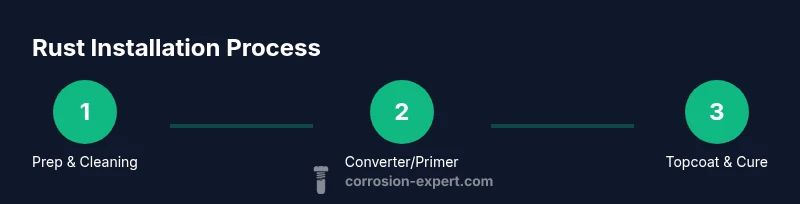
This workflow covers prep through topcoat; follow steps in order for best results. 1) Prep and clean: remove rust, oils, and debris. 2) Dry completely: moisture traps ruin coatings. 3) Apply rust converter: cover all rusty areas with even layer and wait to cure. 4) Apply primer: ensure a uniform coat over converter and adjacent metal. 5) Apply topcoat: use multiple thin coats for even coverage. 6) Cure: allow specified drying times between coats and after final coat. 7) Inspect: check for missed spots and touch up as needed. 8) Maintenance: schedule periodic inspections.
Drying, curing, and environmental considerations
Drying and curing times depend on product type and ambient conditions. Humidity and temperature affect cure speed, so choose a day with moderate humidity and mild temperatures for best results. Avoid applying coatings in direct sun or during rain. Use ventilation to manage solvent fumes and wear appropriate PPE. If you must work indoors, ensure good airflow or use a fume extraction setup. Never rush curing; premature handling can cause defects and reduce durability. Always follow manufacturer-recommended cure times.
Topcoat options and coating techniques
Topcoats protect the underlying chemistry and provide color and finish. Epoxy, polyurethane, and acrylic topcoats are common choices, each with trade-offs in hardness, flexibility, and UV resistance. For outdoor metal, select UV-stable, moisture-resistant coatings with good adhesion to the primer. Apply in thin, even coats using a brush, roller, or spray method, depending on the tool access and surface geometry. Maintain a wet edge to avoid lap marks and ensure uniform sheen. Proper technique minimizes runs and blistering.
Maintenance and long-term care
Maintenance extends rust installation life. Regularly inspect treated areas for chips, peeling, or discoloration. Clean surfaces with a mild detergent and water, avoiding harsh solvents that can degrade coatings. Reapply as soon as you notice wear, especially in high-humidity zones or exposed outdoor locations. Keeping records of coat types, application dates, and environmental conditions helps plan timely touch-ups. A proactive maintenance plan reduces the risk of sudden corrosion and keeps metal protected for longer.
Troubleshooting common issues
Common issues include orange-peel texture from improper leveling, runs from too-thick coats, and premature adhesion failure due to moisture. Resolve orange-peel with light sanding and re-coating after curing. If coatings fail to adhere, revisit surface prep and verify product compatibility. For outdoor installations, check that UV-stable topcoats are used and ensure the surface temperature is within the recommended range during application. If in doubt, consult product data sheets or Corrosion Expert guidance.
Indoor vs outdoor installations and corrosion risk
Indoor installations may tolerate lighter coats and shorter cure times, but they still benefit from proper surface prep and moisture control. Outdoor installations face higher exposure to rain, humidity, and temperature cycles, increasing the need for robust primers and UV-resistant topcoats. In all cases, select products certified for your substrate and climate. The goal remains the same: create a continuous barrier that prevents water and oxygen from reaching the metal surface.
Safety considerations and final tips
Safety first: always wear eye protection, gloves, and a respirator when working with solvents and coatings. Ensure proper ventilation and follow all manufacturer instructions. The Corrosion Expert team recommends keeping a well-ventilated workspace and storing materials away from heat sources. After completing the rust installation, dispose of waste according to local regulations and keep cured coatings out of reach of children and pets.
Tools & Materials
- Rust converter / rust neutralizer(Choose a converter compatible with the substrate (steel, galvanized, or painted surfaces))
- Metal primer (epoxy or polyurethane)(Select primer with good moisture resistance)
- Durable topcoat (epoxy, polyurethane, or acrylic)(Outdoor-rated if exposure to elements is high)
- Surface cleaner / degreaser(Removes oils and residues before treatment)
- Solvent or water-based thinner (if required by product)(Use only if specified by product data sheet)
- Grain sandpaper (80-120 grit)(For rust removal and scuffing)
- Scuff pad / steel wool (fine grade)(Used for finishing and light rust removal)
- Tack cloth(Dust-free surface for final wipe)
- Painter's tape(Mask edges and edges of adjacent parts)
- Drop cloths / protective coverings(Protect surrounding areas from spills)
- Disposable PPE: nitrile gloves, safety glasses(Chemical resistance and eye protection)
- Respirator or good ventilation mask(Solvent ventilation is essential)
- Paint brushes / rollers / spray equipment(Select based on coating type and surface geometry)
Steps
Estimated time: 2-4 hours (plus curing times per product)
- 1
Prepare the work area
Set up a ventilated workspace. Cover nearby surfaces with drop cloths and ensure lighting is adequate. Remove loose rust and debris to provide a clean surface for coating.
Tip: Use a stiff brush to dislodge flaky rust before wiping with a tack cloth. - 2
Clean and degrease the metal
Apply a degreaser to remove oils and greases. Rinse with water if required and dry completely. Moisture left behind will compromise coating adhesion.
Tip: Wear gloves and eye protection; ensure the surface is visibly dry before continuing. - 3
Roughen the surface for adhesion
Gently sand or scuff the area to create a micro-roughness. This improves mechanical bonding for primers and topcoats.
Tip: Avoid deep gouges; aim for uniform micro-scratches rather than deep scratches. - 4
Apply rust converter or primer (first coat)
Coat all rusted areas with converter or primer according to the product directions. Ensure complete coverage and an even film thickness.
Tip: Maintain a wet edge to prevent sudden transitions between coating areas. - 5
Cure the converter or primer
Allow the first layer to cure per product times. Do not rush to apply the topcoat while the base is tacky.
Tip: Ventilate well; avoid humid conditions during curing. - 6
Apply the topcoat in thin layers
Apply the first thin coat of topcoat and let it dry. Add a second coat if coverage requires it, ensuring even layers and no drips.
Tip: Keep a constant distance if spraying; apply multiple light passes rather than a single heavy coat. - 7
Inspect and touch up
Check for missed spots, pinholes, or drips. Touch up as needed after initial cure, then allow final cure.
Tip: Use a bright light at a low angle to spot flaws easier. - 8
Maintain the coating
Create a maintenance schedule to inspect for wear, chips, or moisture intrusion. Recoat when you notice wear or after a defined interval.
Tip: Document application dates and environmental conditions for reference.
Quick Answers
What is rust installation and why is it important?
Rust installation is the process of applying protective systems to metal surfaces to prevent corrosion. It’s important because it extends the life of metal objects under moisture exposure and reduces maintenance costs. Proper preparation and compatible coatings are key to durable protection.
Rust installation is applying protective coatings to metal to stop rust. Proper prep and the right products are essential for lasting protection.
Do I need a rust converter, or can I skip it?
A rust converter is recommended when significant oxidation is present, as it stabilizes rust and provides a base for primers. If the surface is only lightly rusted, you may proceed with cleaning and priming, but converters generally improve long-term adhesion.
A rust converter is usually a good idea if you have noticeable rust on the surface.
What coatings work best for outdoor rust prevention?
Outdoor environments benefit from epoxy or polyurethane topcoats with UV resistance and moisture protection. Pair these with a compatible primer and rust converter for maximal durability against rain and humidity.
Epoxy or polyurethane topcoats with a good primer are ideal for outdoor protection.
How long does rust installation take to cure?
Cure times vary by product and climate. Always follow the manufacturer's recommended times between coats and after final application to ensure full hardness and chemical resistance.
Cure times depend on the product; follow the instructions for best results.
Is rust installation safe indoors?
Indoors is fine with good ventilation and proper PPE. Use low-odor formulations when possible and ensure dust and fumes are controlled to protect occupants.
Yes, with good ventilation and proper PPE, indoor rust installation is safe.
Watch Video
Quick Summary
- Prepare thoroughly for best adhesion
- Choose compatible converter, primer, and topcoat
- Apply in thin, even coats to avoid runs
- Allow complete curing before exposure
- Inspect regularly and maintain coatings