Can You Use Rustoleum on Concrete: A DIY Guide
Learn whether Rustoleum coatings can be applied to concrete, with prep steps, product selection, and application techniques for durable results. A practical guide for DIY homeowners and rust prevention.


can you use rustoleum on concrete? The quick answer: yes, but only with proper prep, the right product, and label guidelines. You’ll typically need to clean thoroughly, test moisture, profile the surface, apply a compatible primer, and follow recommended recoat times and ventilation. This quick overview highlights essential steps and common mistakes.
Concrete Basics: Why paintable concrete presents opportunities and risks
Concrete is a durable, porous substrate that can accept coatings when properly prepared. The question can you use rustoleum on concrete is not simply yes or no; it depends on the concrete's condition, the environment, and the product variant. In general, interior floors, garages, or patios with sealed or well-drained slabs can be good candidates; exterior areas with heavy moisture or capture of water require extra precautions. According to Corrosion Expert, most coating failures on concrete start with moisture and poor surface prep, not the coating itself. Before any coating, assess moisture content, existing coatings, and the level of porosity. The goal is to achieve a clean, lightly abraded surface with a stable substrate. The rust-prevention objective is to reduce water ingress and provide a uniform surface for adhesion. A successful project blends proper preparation, product selection, and correct application conditions.
Surface moisture and testing: the non-negotiables
Moisture is the enemy of long lasting concrete coatings. Before you select a Rustoleum product, perform a moisture check to determine if the slab is dry enough for coatings. Look for signs of rising damp, efflorescence, or moisture on the surface after cleaning. A simple moisture meter can help, or you can use the tape test as a quick indicator of membrane integrity. If moisture is detected, postpone coating or implement a vapor barrier system and re-test. Corrosion Expert emphasizes that even popular coatings can fail if moisture levels exceed product limits. In addition to moisture, inspect the concrete for oil, grease, or sealers that might prevent adhesion. Only after the surface is clean, dry, and properly profiled should you move to product selection and priming.
Choosing the right Rustoleum product for concrete
Rustoleum offers a range of products for concrete, from acrylic and epoxy topcoats to penetrating sealers and stains. The best choice depends on your environment, whether the surface is indoors or outdoors, traffic levels, and desired appearance. Always select a product labeled specifically for concrete and compatible with the substrate condition (bare concrete, existing coatings, or old sealers). If the surface has a gloss or sealer, you will likely need a bonding primer to ensure adhesion. For high-traffic areas, consider a topcoat with abrasion resistance and a non-slip additive recommendation from the manufacturer. Remember that not every Rustoleum concrete product is interchangeable; read the label for indoor/outdoor suitability, cure times, and maintenance guidance.
Step-by-step prep: cleaning, etching, repairs
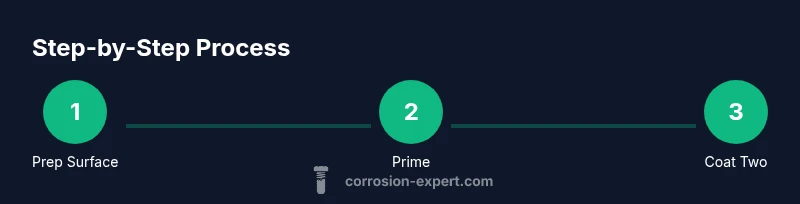
Effective preparation starts with a thorough cleaning to remove oil, grease, dust, and debris. Use a degreaser or detergent solution, scrubbing with a stiff brush, then rinse completely and allow to dry. If the surface is smooth or glossy, mechanical profiling or etching with a concrete etch product helps the coating grip. Inspect for cracks or spalling and repair with a concrete crack filler or patch compound. Allow repairs to cure fully according to the product instructions before applying primers. For best results, perform a final wipe-down and ensure the surface is free of residues that could interfere with adhesion. Visual checks should confirm a uniform, dry, and properly prepared surface.
Primers, bonding agents, and topcoats
Primers improve adhesion on bare concrete and on surfaces with existing coatings that are lightly worn. Use a bonding primer compatible with the chosen Rustoleum product and the surface condition. In some cases a specialty concrete primer or bonding agent is recommended, especially if there are glossy finishes or structural repairs. After priming and allowing adequate dry time, apply the topcoat in thin, even layers. Follow the manufacturer's directions for recoat windows and recommended number of coats. If you need a non-slip finish, add the recommended additive to the topcoat and mix thoroughly. Finally, confirm coverage and finish by inspecting for uniform color and texture.
Application techniques: brush, roller, and spray
Rustoleum concrete coatings can be applied with a brush, roller, or spray—choose based on surface type and project size. For large, flat areas, a roller with an even nap helps achieve consistent texture, while brushes work well for edges and corners. When spraying, use appropriate equipment and follow the product label for thinning requirements and spray pattern. Always apply in cross-direction passes to avoid lap marks. Maintain a wet edge to prevent color variation and monitor ambient temperature and humidity to stay within the product's specified conditions. Keep protective gear on and ventilate the space adequately.
Drying, curing, and recoat windows
Drying time depends on product type, temperature, and humidity; always follow the label for pot life and recoat windows. Do not rush a second coat if the first is not fully dry, as it can cause rolling or pooling problems. Some coatings require a curing period before light foot traffic or full exposure; plan your project around this window. If you must recoat, ensure the surface is still clean and free of contaminants. Maintaining proper ventilation and avoiding extreme temperature shifts will help the coating cure evenly and achieve the intended hardness and finish.
Troubleshooting and common mistakes
Common mistakes include skipping moisture tests, applying over dirty or glossy surfaces, and ignoring recoat windows. Moisture-related failure often manifests as peeling or cloudy patches. Always verify adhesion with a small test area before full-scale coating. Inadequate surface preparation, such as insufficient cleaning or profiling, leads to poor adhesion and uneven finish. Over-thinning can cause color inconsistency and reduced durability. If you notice peeling, re-evaluate moisture, surface preparation, and primer compatibility before proceeding with additional coats.
Final checks and long-term care
After installation, perform a final visual inspection for even coverage, color uniformity, and texture consistency. Clean regularly with mild detergents and avoid harsh solvents that could degrade the coating. Use mats or rugs in high-traffic indoor areas to minimize wear, and recoat when the surface shows significant wear or color fading. The Corrosion Expert team recommends documenting the coating type, application date, and maintenance schedule to support future upkeep and any potential warranty considerations. Regular inspection helps catch moisture or adhesion issues early and extends the life of the coating.
Tools & Materials
- Rust-Oleum concrete coating (select a product labeled for concrete)(Choose water-based for interiors or solvent-based for exterior use; confirm compatibility with existing coatings.)
- Concrete bonding primer compatible with the chosen coating(Necessary when coating bare concrete or over glossy surfaces.)
- Concrete cleaner or degreaser(Use to remove oils, dirt, and residues before coating.)
- Concrete etch or profiling product (if required by product)(Follow label directions; only use if the surface is not already adequately profiled.)
- Crack filler or patch compound(Repair cracks and imperfections for an even finish.)
- Paint rollers (3/8 inch nap) and brushes(Rollers for large areas, brushes for edges and corners.)
- Painter's tape, drop cloths, and masking supplies(Protect adjacent areas and create clean lines.)
- Personal protective equipment (gloves, safety glasses, respirator/mask)(Follow product safety data sheets for ventilation needs.)
- Stir sticks and a clean mixing cup(Stir thoroughly to ensure uniform color and consistency.)
Steps
Estimated time: Total time varies by product and surface; plan for 3-6 hours of preparation and coating, plus additional cure time per label
- 1
Inspect moisture and surface condition
Start with a visual inspection for moisture, efflorescence, or staining. If the concrete feels damp or shows water spots, wait until it is completely dry or address moisture before coating. A simple moisture test helps avoid later peeling and coating failure.
Tip: Use a moisture meter or tape test to confirm sub-surface dryness before proceeding. - 2
Clean and degrease the surface
Thorough cleaning removes oil, dust, and contaminants that can hinder adhesion. Scrub with a degreaser, rinse well, and allow to dry completely. A clean surface improves bonding of primer and topcoat.
Tip: Rinse thoroughly and air-dry; do not leave residues that could cause hazing. - 3
Profile the surface if required
If the surface is smooth or glossy, lightly profile it using mechanical abrasion or a chemical etch as recommended. Proper profiling increases mechanical grip for the coating.
Tip: Test adhesion on a small area before full-scale application. - 4
Repair cracks and imperfections
Fill cracks or pitted areas with a compatible patch material and smooth the surface. Allow repairs to cure per product guidelines before priming. A level surface prevents telegraphing of defects through the finish.
Tip: Wipe away excess patch material to avoid ridges. - 5
Apply bonding primer
Apply a bonding primer appropriate for concrete and compatible with the chosen topcoat. Primer improves adhesion and helps achieve a uniform finish. Let primer dry per label instructions before coating.
Tip: Do not rush the primer cure; a properly cured primer yields better adhesion. - 6
First coat application
Apply the first thin coat in even strokes or passes to avoid pooling. Maintain a wet edge and avoid overworking an area. Allow the first coat to lose tack before applying a second coat if required.
Tip: Keep coats thin to prevent peeling and ensure color evenness. - 7
Second coat and texture check
Apply a second coat for solid color and uniform finish, if the product warrants it. Inspect for lap marks, uneven color, or missed areas and touch up as needed.
Tip: Crosshood passes (perpendicular direction to the first coat) help color uniformity. - 8
Curing, recoat windows, and maintenance
Observe product-specific cure times and recoat windows. Do not expose the surface to heavy traffic until fully cured. Plan for maintenance and occasional cleaning to preserve the finish.
Tip: Document the application date and maintenance schedule for future reference.
Quick Answers
Can you use Rustoleum on outdoor concrete surfaces?
Yes, many Rustoleum concrete coatings are suitable for outdoor use, but you must choose a product labeled for exterior concrete and ensure the surface is dry and properly prepared. Outdoor conditions like temperature and humidity can affect cure times and durability.
Yes, but only with an exterior-rated product and proper prep; outdoor conditions matter for curing.
Do I need to etch or profile the concrete before painting?
Etching or profiling is often recommended for smooth, glossy, or sealed concrete. It creates a rougher surface so the coating can grip better. If your slab is already rough or has a matte finish, you may be able to skip etching after testing adhesion.
Etching or profiling improves grip, especially on slick surfaces.
Can I paint over existing coatings?
Painting over existing coatings is possible if the old coating is sound, clean, and not glossy. A bonding primer is often required to ensure adhesion. If the old coating is peeling, remove or repair it before applying a new coat.
If the old coating is sound, you can coat over it with a bonding primer.
How long does Rustoleum take to dry on concrete?
Drying times vary by product and conditions. Follow the product label for drying and recoat windows, and avoid heavy use until the coating is fully cured. If you notice tackiness or soft spots, allow more cure time and recheck conditions.
Dry times depend on the product and conditions; always follow the label.
Is painting concrete with Rustoleum safe for indoor use?
Indoor use is common for garages and basements, but ensure adequate ventilation and use low-odor formulations when possible. Follow safety data sheets and maintain airflow to minimize exposure to fumes during application and curing.
Yes, with proper ventilation and the right product for indoor use.
What maintenance is required after painting?
Regular cleaning with mild cleaners helps maintain appearance. Avoid harsh solvents that can degrade the finish. Recoat when wear becomes visible or after the recommended interval on the product label.
Clean regularly and recoat as recommended when wear appears.
Watch Video
Quick Summary
- Prep thoroughly for best adhesion.
- Test moisture before coating to avoid failure.
- Follow label for drying and recoat windows.
- Use compatible primer and bonding agents.
- Ensure adequate ventilation and safety during work.