How to Check for Rust When Buying a Car: A Practical Buyer’s Guide
Discover practical steps to check for rust when buying a car, including undercarriage, frame, body panels, wheel wells, and hidden spots to avoid costly repairs.


This guide shows how to check for rust when buying a car. You’ll learn where rust hides, how to spot early signs, and how to estimate repair costs without a mechanic. By following the steps below, buyers can confidently assess condition, compare candidates, and avoid expensive surprises after purchase. Prepare a checklist, bring a flashlight, and take photos from every angle.
Why rust matters when buying a car
Rust is more than cosmetic damage; it can compromise structural components and long-term safety. When you buy a used car, you’re taking on the risk that hidden corrosion may surface after you’ve driven it home. According to Corrosion Expert, rust can spread behind trim, under body panels, and along concealed seams, turning a seemingly affordable vehicle into a costly project. This is why a thorough rust check should be part of every pre-purchase inspection. Early signs—pitting, bubbling paint, or flaky scales—often indicate deeper problems that will worsen with moisture and road salt. A buyer who understands rust’s behavior gains leverage during negotiations and reduces the chance of surprise repair bills.
In this guide, you’ll learn what rust looks like, where it commonly hides, and how to document findings for the seller or a mechanic. The goal is not to spark fear but to give you a repeatable method you can use on any prospective vehicle. The Corrosion Expert team emphasizes that a careful, unbiased assessment helps you make a smarter, safer purchase decision.
Common rust hotspots on cars
Most rust problems aren’t limited to a single spot. Across many vehicles, the most telling areas are the undercarriage, frame rails, rocker panels, wheel wells, and the exhaust system where damp, salty road spray concentrates. Surface rust on these zones may be cosmetic, but persistent flakes, orange halos around welds, or holes are red flags. Trunk floors and spare-tire wells can trap moisture and go unnoticed, especially if carpet or mats hide the steel. Interior panels near door sills and the lower sections of doors can also show rust through paint blistering or staining. When you inspect, look for perforations, bulging metal, or paint that peels in circular patches around fasteners, as these are often signs of more serious corrosion.
Corrosion Expert Analysis, 2026 notes that rust often hides behind plastic trim and underbody components, making a visual scan alone unreliable. A methodical approach—clean surfaces, use a flashlight, and probe with a small tool to feel for softness or hollow sound—helps reveal areas that have rusted beyond the surface. Remember that moisture exposure is highest where road spray hits, so pay close attention to the lower edges of doors, rocker panels, and the lower frame.
If you find rust in critical structural areas (frame rails, crossmembers, suspension mounts), that is typically a dealbreaker for many buyers. Lighter surface rust on non-structural parts may be manageable or repairable and should be weighed against overall condition, mileage, and price. When in doubt, bring a trusted mechanic for a second opinion or request a professional rust inspection before finalizing any deal.
In summary, prioritize undercarriage and structural zones first, then verify the extent in less obvious places. A well-documented rust check strengthens your negotiating position and helps you avoid costly repair surprises after purchase.
How to perform a basic rust check before a test drive
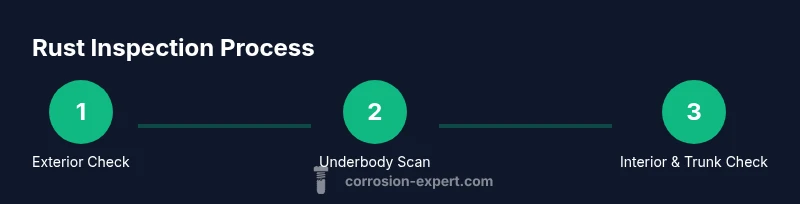
Before you even turn the key, prepare a simple rust-check checklist to keep you focused. Start by visually inspecting the undercarriage with the car on level ground and the parking brake applied. Use a bright flashlight to look along frame rails, crossmembers, and hinge points where salt and moisture accumulate. Examine the wheel wells, sills, pinch welds, and jack points for bubbling paint, flaky flakes of rust, or pinholes. Next, inspect rocker panels along both sides; these areas are prone to corrosion where road spray splashes up from the road and collects behind the panel edge.
Then shift your attention to the exterior body panels. Look for bubbling or misshapen metal around doors, fenders, and the hood edges. If you see cosmetic rust, don’t assume it’s superficial—rust under paint can penetrate quickly, especially in coastal or winter driving conditions. Don’t forget the trunk floor and spare-tire well; many buyers neglect these spots because they are covered by mats, making hidden rust easy to miss. Finally, check for rust around exhaust hangers and clamps, as well as along the fuel lines where leaks can worsen corrosion.
To stay objective, take clear photos of every target area and compare them against a baseline you’ll record in your notebook. A well-documented check helps you justify your offer or request repairs. If you discover extensive rust on stiff structural components, pause the deal and seek a professional evaluation. The goal is to understand whether the rust is superficial or structural, and how much it might cost to repair or replace components.
Tools and techniques to assess severity without disassembly
You don’t need a full workshop to gauge rust severity. Start with a magnet to detect areas with thick, bonded filler that sometimes disguises rust. Heed that step carefully: magnet adhesion isn’t a perfect test for rust depth but can help flag suspect sections. A sturdy mirror helps you view hard-to-reach areas such as lower frame corners. A bright LED flashlight is essential for spotting pits, pitting, and subtle color changes that indicate corrosion.
Use a thin flat-head screwdriver or a small pry tool to gently tap or lift suspected rust spots. If metal yields to pressure or sounds hollow, the rust might be more advanced than it appears on the surface. However, avoid aggressive prying—deep intrusion can damage wiring, hoses, or fuel lines, and could be dangerous. If you must touch, do so lightly and document any changes with photos.
Compare both sides of the car to identify asymmetrical wear or damage that could indicate a collision history or differential rust exposure. Keep an eye on the film of rust around weld seams, particularly near doors and the underside edges of the body. By classifying rust into three levels—surface, scale, and penetrating—buyers can determine required repairs and whether a repair is cost-effective.
When you find rust: deciding if it’s worth buying
If you encounter rust, you’ll need a framework to decide whether to walk away or negotiate. Surface rust limited to non-structural parts can often be treated with rust converters, sanding, priming, and repainting. Moderate rust that shows through paint or has started pit formation may require rust inhibitors, patch panels, or spot repairs. Structural rust—on the frame, rails, or suspension mounts—raises serious safety concerns and usually pushes the vehicle into “not recommended” territory unless the total purchase price accounts for substantial repair costs.
Consider the vehicle’s overall condition: mileage, service history, known issues, and the seller’s transparency. Request a professional rust inspection and a written quote for repairs before finalizing a price, and be prepared to renegotiate or walk away if the rust risks are high. If you decide to proceed with a purchase that includes rust, negotiate a lower price to offset the anticipated repair costs and insist on a post-purchase inspection to verify the rust status after ownership transfer. The key is to be disciplined: know your maximum offer and avoid emotional decisions when rust reveals itself.
Cost considerations and practical repair realities
Repair costs for rust can vary widely depending on location, extent, and the car model. Small surface rust patches on non-structural parts may be relatively affordable to fix, while rust that has penetrated the metal or reached the frame can require structural replacement or significant panel work. In some cases, partial replacement of rocker panels, floor pans, or rails is necessary, which can involve bodywork, paint, and alignment work. Because rust often recurs where moisture is present, addressing drainage issues and sealing exposed seams is important to prevent future corrosion. Always factor labor, parts, and potential frame repairs into your total cost estimate.
Corrosion Expert analyses emphasize that coastal regions and places with heavy road salt use after snow increases rust risk. If the car you’re considering has a rust history in those areas, you’ll want a professional estimate to determine whether the overall value remains favorable. It’s prudent to obtain independent quotes from a licensed shop or dealer with rust-repair experience to compare with the negotiated price. In some situations, three involved viewpoints—inspection, estimation, and buyer risk tolerance—can guide a sound decision.
Safety and legal considerations when buying a car with rust
Rust can directly affect safety, particularly if it compromises critical components like the frame, brake lines, steering mounts, or suspension connections. If corrosion appears near braking hardware or essential mounting points, it’s wise to refrain from purchase until a professional assessment confirms structural integrity. Some jurisdictions require disclosures for known safety issues; failing to disclose corrosion can lead to legal consequences or ownership disputes. Always request a written inspection report and, when in doubt, consult a licensed mechanic or inspector who specializes in rust issues.
In addition to safety concerns, rust may impact insurance coverage, warranty eligibility, and resale value. If you proceed with a rust-affected vehicle, document every defect and obtain a clear agreement with the seller about who covers future repairs. The Corrosion Expert team recommends treating rust checks as a standard part of any used-car process, not as an afterthought. A careful approach now helps you avoid hidden costs later and supports a transparent, risk-aware purchase decision.
Beyond the obvious rust: less visible indicators to watch
Sometimes rust indicates broader moisture exposure, including leaky seals, clogged drainage channels, and poor ventilation inside the vehicle. Inspect the interior for damp smells, mold, or staining along the floor and under carpets. Look for rust stains on the metal edges where carpeting or upholstery meet the metal surfaces. Inspect the battery tray area for corrosion residue and check the spare tire well for rust around the jack points. Though less dramatic, these signs reveal a pattern of moisture exposure that can foreshadow more serious problems in other hidden spaces. By widening your inspection scope, you reduce the risk of surprise costs after purchase and gain a more complete understanding of the car’s overall condition. The Corrosion Expert team also highlights that documenting these observations strengthens your negotiating position at the point of sale.
Tools & Materials
- Flashlight with bright LED(Hands-free preferred; inspect from ground level and inside corners)
- Mild magnet(Use to help identify hidden filler or flaky rust on metal surfaces)
- Mirrors or inspection mirror(To view hard-to-see areas like wheel wells and frame corners)
- Pry tool or thin screwdriver(Gently probe suspected rust; avoid forcing through structural areas)
- Camera or smartphone for photos(Document findings with date-stamped images)
- Gloves and safety glasses(Protect hands and eyes during inspection)
Steps
Estimated time: 30-60 minutes
- 1
Prepare your rust-check checklist
Before you begin, print or open a digital checklist so you don’t miss key areas—undercarriage, rocker panels, wheel wells, trunk floor, and door sills. Clear space around the car, wear gloves, and ensure the vehicle is on level ground with the parking brake engaged. A structured plan keeps the inspection thorough and repeatable.
Tip: Bring a notebook or app to annotate each zone with photos and notes. - 2
Inspect the exterior for early signs
Walk around the car and examine all painted surfaces for bubbles, flakes, or discoloration. Focus on lower edges, door bottoms, fenders, and panel seams where moisture hides. Look inside the crevices where trim meets metal; corrosion often starts under trim or around fasteners.
Tip: Compare both sides of the car to spot asymmetrical wear. - 3
Check the undercarriage and frame
Position the car on level ground and inspect the undercarriage, rocker panels, frame rails, and suspension points. Look for red/orange discoloration, bubbling paint, or crunchy texture. If you see rust around critical mounting points, mark it and plan for a deeper assessment by a professional.
Tip: Use your flashlight to illuminate hard-to-reach corners; you may need a mirror for angles. - 4
Inspect wheel wells and exhaust areas
Wheel wells collect moisture and salt; inspect the inner wells and the exhaust area for rust or corrosion around joints and hangers. Check the rear sections where spray from the road can accumulate. Signatures of advancing rust—peeling paint and pitting—require closer inspection or professional input.
Tip: Turn the wheels to access hidden areas; always recheck after lowering the jack if needed. - 5
Check interior and trunk areas for hidden rust
Lift mats and inspect the floorboards, trunk floor, and spare-tire well for dampness and rusty patches. Rust can appear where moisture sinks into carpets or where moisture enters through seals. If you notice staining or a musty smell, investigate beneath the carpet and trim for rust pockets.
Tip: Document interior rust with dated photos; this affects resale value. - 6
Synthesize findings and plan next steps
Summarize your observations, categorize rust severity, and decide on price negotiation, repair feasibility, or walking away. If structural rust is present, seek a professional opinion before making an offer. Use your notes to request repairs or price reductions from the seller.
Tip: If in doubt, stop and schedule a formal inspection before finalizing any deal.
Quick Answers
How does rust affect resale value in a used car?
Rust generally lowers resale value, especially if it is extensive or structural. Minor surface rust can be treated, but buyers should anticipate repair costs when negotiating. Always factor rust into the total price and check for signs of rust progression.
Rust lowers resale value, especially when structural. Minor rust may be fixable, but you should expect to negotiate a lower price or request repairs.
Is surface rust on exterior panels a dealbreaker?
Not always a dealbreaker. Surface rust on non-structural areas can often be repaired without major issues, especially if the rest of the car is solid. Review the extent and location to determine whether the cost of repairs justifies the purchase price.
Surface rust on non-structural areas isn’t always a dealbreaker, but the extent matters.
Should I hire a professional to inspect rust?
If you’re unsure about rust depth or if you see potential structural rust, a professional rust inspection is smart. A qualified mechanic or body shop can provide a written assessment and an accurate repair estimate.
Consider a professional rust inspection for certainty, especially if structural rust might be involved.
Can rust be repaired cost-effectively on older cars?
Costs vary, but smaller patches on non-structural areas can be economical to fix, whereas structural rust can be costly or unsafe. Get multiple quotes and weigh them against the vehicle’s overall value.
Small patches can be affordable; structural rust is usually costly and riskier.
What visible signs indicate hidden rust behind panels?
Signs include bubbling paint, rust stains, soft or hollow spots, and corrosion near seams or welds. If you notice these signs, inspect deeper or seek a professional evaluation.
Look for bubbling, staining, or soft spots near seams to spot hidden rust.
What should I do if rust is found after purchase?
If rust is discovered after purchase, obtain a professional estimate and review your options. You may negotiate repairs, credits, or a price adjustment, and in some cases, the car may be best returned.
If rust is found post-purchase, get a quote and discuss remedies with the seller or dealer.
Watch Video
Quick Summary
- Inspect undercarriage thoroughly before buying
- Differentiate surface rust from structural rust
- Document findings with photos and notes
- Negotiate price or walk away if structural rust is present
- Seek professional inspection for uncertain cases