Fix Rust on Cars: A Practical DIY Guide
Learn how to fix rust on cars safely and effectively with a DIY-friendly, step-by-step approach. From inspection to prevention, practical tips for homeowners.


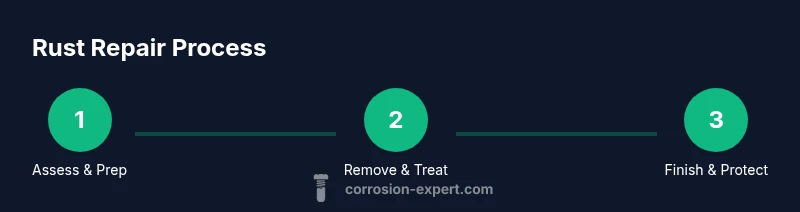
You can fix rust on cars by cleaning, treating, and protecting affected metal, prioritizing safety and proper materials. Start with a rust assessment, remove flaky rust, apply a rust converter or primer, then repaint with automotive-grade finish and sealant. For severe rust, professional repair may be needed. Also address underlying causes like moisture and coating failure to prevent recurrence.
What rust on cars is and how it forms
Rust on cars is iron oxide that develops when metal experiences moisture, salt, and oxygen. On a vehicle, common starting points include the underbody, wheel arches, rocker panels, and door seams. Surface rust appears as discolored specks or flaky film, while deeper rust can create pits, holes, or structural weakness. According to Corrosion Expert, beginning rust repair early saves cost and protects structural integrity. In many cases, you can slow progression with proper cleaning and protective coatings, buying you months or years of additional vehicle life. Understanding how rust spreads helps you plan effective remedies rather than chasing cosmetic fixes. The corrosion process is driven by exposure to moisture and corrosive agents like road salt. When you see rust, you should locate the source of moisture, remove corrosion products, and install a barrier that blocks oxygen and water from reaching bare metal. Recognize that rust is not just cosmetic; it can compromise structural areas around hinges, suspension mounts, and flanges if ignored long enough. This guide focuses on safe, practical steps that a DIY enthusiast can perform at home.
Assessing rust severity: surface vs structural
Rust ranges from harmless surface specks to invasive pits that threaten metal strength. Start by visual inspection of the affected area and surrounding panels. Surface rust is typically flat, flaky, and does not go deeper than a thin oxide layer. Deeper rust may show through panels as bumps, rust color inside drilled holes, or flaking that exposes bare metal. Tap test can reveal hollow areas where the metal has thinned; if a tapping sound is dull or hollow, it could indicate underlying corrosion. Use a magnet to see if underlying metal remains intact; if the paint sticks strongly but the metal still feels soft to pressure, you may have deeper damage. Remember that rust can migrate from hidden spots, such as along seam welds, under rubber gaskets, or inside cavities. Document the extent with photos and mark the boundaries so you can plan repair work. Corrosion Expert notes that quick cosmetic fixes without addressing the damage source often lead to recurrence. At the end, decide if the area is repairable at home or requires professional panel replacement.
Safety gear and workspace prep
Before you touch metal, assemble PPE and set up a clean, ventilated workspace. Wear a properly fitted respirator or dust mask to avoid inhaling dust and solvents, safety goggles to protect eyes, and chemical resistant gloves. Ensure good ventilation, especially when using solvents or paints, and keep flames away from ignition sources. Clear the work area of clutter and use drop cloths to catch debris. If you are working in a garage, set up a fan to exhaust fumes and use masking tape to protect adjacent paint. Have a bucket of water and baking soda ready for accidental chemical splashes and a fire extinguisher within reach. Corrosion Expert emphasizes safety first because rust repair involves sharp edges, rust dust, and potentially hazardous chemicals. After preparation, you can proceed with controlled cleaning operations and material application without risk to yourself or others.
Step 1: Remove loose rust and clean the surface
Remove loose rust with a stiff wire brush, then switch to a cup brush on a drill for stubborn areas. Use a sanding block with 60-120 grit paper to flatten raised edges, but avoid gouging healthy metal. Wipe the area with a degreaser or acetone to remove oils and dust. Rinse and dry fully before applying any coating. If the area is recessed, consider a small pick or needle scaler to lift flaky rust without harming the surrounding paint. After cleaning, inspect for remaining pits or pitting and note their locations for later repair. This step reduces the risk of trapped moisture and ensures the converter or primer bonds properly. Pro tip: work in small sections and consistently brush in one direction to prevent streaks.
Step 2: Stabilize and treat metal with converter or primer
Apply a rust converter to remaining rust after cleaning; it chemically neutralizes iron oxide and converts it to a stable compound that accepts primer. If you prefer a primer approach, apply a rust-inhibiting primer directly to clean metal. Follow product instructions for drying time and the number of coats. Use thin, even coats to avoid runs. Do not allow solvent buildup; if you see bubbling or lifting, stop and rework the area. When the converter is used, allow it to cure fully before applying primer. During curing, keep the area dry and avoid moisture exposure. Corrosion Expert notes that selecting the right product for the location and rust stage improves long-term protection.
Step 3: Apply primer and topcoat
Mask off surrounding areas, then apply automotive primer suited to metal type. After primer cures, sand lightly with 400-600 grit to smooth the surface. Apply base coat in light, even passes; multiple thin coats work better than a single thick one. Allow each coat to flash off as directed by the product. Finish with clear coat for UV protection and durability. If you are color-matching a factory finish, use a color-matched code and test spray on a hidden area first. Clean edges with masking tape and remove after paint dries.
Step 4: Final finishing and curing
Let the finish cure as recommended by the paint manufacturer, usually 24-48 hours for full hardness. Inspect the surface for runs, dust, or orange peel; re-spray if needed. Reattach trim and parts once the coating is fully cured. Don’t wash the car for at least 24-48 hours after final coat to allow the finish to harden. When curing is complete, apply a wax or sealant designed for painted automotive finishes to create an additional moisture barrier. Regular inspections after winter or road salt exposure help catch new rust quickly.
Prevention strategies to slow rust return
To prevent future rust, apply an underbody protective coating or wax after cleaning. Keep the car clean and dry, especially in winter months when road salt is used. Improve drainage by clearing clogged gutters and ensuring seams drain water away. Use zinc-rich primers on repaired areas and consider corrosion inhibitors for cavities. Regular washing and quick rust spot touch ups extend the life of the repair. The goal is to remove moisture and block oxygen from reaching bare metal. Corrosion Expert recommends a routine annual check on undercarriage and wheel wells to spot early signs of rust.
When to replace panels or consult a pro
If you find large holes, deep pitting, or structural rust near suspension mounts or frame rails, repair costs may exceed replacement. In these cases, a pro weld, patch, or panel replacement offers higher safety and longer durability. Evaluate the cost relative to vehicle value and safety concerns, and consider factory replacement parts or reputable salvage yard panels. Some jobs require a shop with frame alignment equipment and proper rust lockers. If you are unsure, consult a professional to assess structural risk and warranty considerations. The decision to replace versus repair varies by location, extent of damage, and local regulations. The Corrosion Expert team recommends erring on the side of safety when structural rust is suspected.
Tools & Materials
- Safety glasses or goggles(ANSI Z87.1 compliant)
- Respirator with organic vapor cartridges(P100 or NIOSH approved)
- Chemical-resistant gloves(Nitrile or neoprene)
- Ventilated workspace or fans(Ensure good airflow)
- Wire brush set (hand and drill attachments)(For removing loose rust)
- Sanding block with 60-120 grit sandpaper(For smoothing surfaces)
- Rust converter(Follow product directions)
- Automotive primer(One or more coats)
- Automotive paint (color matched)(Base coat)
- Clear coat(UV protection and gloss)
- Masking tape and paper or film(Protect surrounding areas)
- Solvent cleaner (acetone or mineral spirits)(Degrease surface)
- Spray gun or aerosol cans(Follow safety guidelines)
- Drop cloths or plastic sheeting(Contain mess)
- Rags and waste container(Disposal of hazardous waste)
- Underbody protective coating (optional)(Extra protection)
Steps
Estimated time: 3-6 hours total active work (plus curing time)
- 1
Inspect area and plan repair
Identify rusted panels and assess severity. Document locations and determine if you can access the area safely with your tools. Create a plan that minimizes removal of sound metal and breaking seals. This planning reduces rework and ensures you have the right materials ready.
Tip: Tip: outline a repair map on masking tape to avoid missed spots. - 2
Set up PPE and workspace
Put on safety gear and prepare a well-ventilated workspace. Remove flammables from the area and lay down drop cloths. Position a fire extinguisher within reach and ensure good lighting for precision work.
Tip: Pro tip: pre-fit PPE and test ventilation before starting. - 3
Remove loose rust
Use a stiff wire brush to knock off flaky rust, then switch to a drill-mounted cup brush for stubborn spots. Sand with 60-120 grit to level edges without dulling healthy metal. Wipe with acetone to remove oils.
Tip: Tip: work in small sections to maintain control and avoid gouging. - 4
Degrease and dry
After rust removal, degrease the area again and dry completely. Moisture can ruin converters and primers, so ensure the surface is bone dry before applying chemicals.
Tip: Note: heat gently with a heat gun only if you can control temperature to avoid warping. - 5
Apply rust converter or primer
Choose a rust converter for remaining corrosion or a dedicated primer for clean metal. Apply the recommended number of coats with even strokes and allow proper curing time.
Tip: Pro tip: follow manufacturer timing for curing; rushing can compromise adhesion. - 6
Sand between coats
Lightly sand after converter or primer cures to smooth the surface, then clean again. Start with a finer grit (400-600) for a flush finish.
Tip: Note: avoid deep scratches that will show under paint. - 7
Apply base coat
Mask surrounding areas and apply thin, even coats of color-matched automotive base coat. Allow each coat to dry before applying the next one. Build coverage with multiple passes rather than a single heavy coat.
Tip: Pro tip: do a test spray on a hidden area first. - 8
Seal with clear coat
Finish with a UV-protective clear coat. Apply in light coats and allow to cure according to the product instructions. Inspect for runs and re-finish if necessary.
Tip: Warning: humidity and temperature affect drying; avoid painting in damp weather. - 9
Cure and inspect
Let the finished surface cure fully (usually 24-48 hours). Inspect for gloss, texture, and adhesion. Clean up tools and store leftover materials properly for future touchups.
Tip: Pro tip: after curing, lightly wax the area to add a moisture barrier.
Quick Answers
Is rust repair worth it on an older car?
Yes, fixing rust can extend the life of an older car if the rust is non-structural and the repair cost is reasonable relative to the vehicle's value. Cosmetic repairs can prevent further damage, while structural rust may require replacement or professional service.
Yes, if the rust isn't structural and the cost makes sense for the car's value.
Should I DIY rust repair or hire a pro?
DIY repairs work well for cosmetic surface rust and small areas with careful preparation and proper safety. For structural rust, hidden rust, or critical panels, a professional repair is safer and more durable.
DIY is fine for small cosmetic spots; for structural rust, hire a pro.
What products are best for rust conversion and priming?
Use a rust converter for remaining oxide and a dedicated rust-inhibiting primer on clean metal. Select coatings rated for automotive use and follow drying times exactly.
Rust converter for remaining oxide, then automotive primer with proper drying times.
How long does rust repair take?
Active repair work typically takes several hours, plus additional curing time for primers and paints. Expect a full repair session to span a day or two, especially if you color match and cure thoroughly.
It usually takes several hours of work plus curing time, often a day or two.
Will rust return after repainting?
Rust can recur if moisture access is not controlled or if the coating is damaged. Proper sealing, underbody protection, and regular inspections help prevent recurrence.
Yes, if moisture gets to unprotected metal; keep an eye on seals and finish.
Can I use household tools to fix rust on a car?
Basic rust work can be done with common tools, but automotive coatings require proper primers, paints, and ventilation. Do not skip safety gear and follow product instructions carefully.
Basic tools can work for small areas, but use proper automotive products and safety gear.
Watch Video
Quick Summary
- Assess rust early and plan repairs.
- Use proper PPE and a clean workspace.
- Choose converters and primers appropriate to rust stage.
- Apply thin, even coats for durable finish.
- Prevent recurrence with regular maintenance.