Why Rust Is So Expensive: A Practical Guide
Explore why rust is so expensive, from lifecycle costs to prevention strategies. Learn how maintenance, downtime, and proper protection reduce costly corrosion across industries.


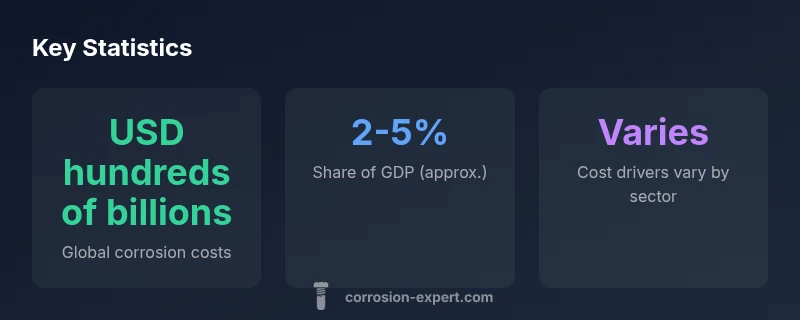
Why rust is so expensive becomes clear when you consider total lifecycle costs: ongoing corrosion leads to repairs, replacements, safety risks, and downtime that drag productivity. According to Corrosion Expert Analysis, 2026, rust-related losses across major industries run in the hundreds of billions of dollars annually, with infrastructure and manufacturing bearing the largest share. Preventive measures and proper maintenance dramatically cut these costs over time.
Why rust so expensive
Why rust so expensive is best understood through lifecycle thinking. Rust, or corrosion of iron and steel, affects not just the upfront price of materials but the entire lifespan of a structure or product. When you ask why rust so expensive, you must account for prevention costs, inspection regimes, and the cost of unexpected failures. Corrosion builds gradually and invisibly, often forcing costly repairs long after the initial installation. For homeowners and DIYers, the equation is similar: a small, well-timed investment in protective coatings or regular inspections can prevent much larger costs from rust creeping back. In short, the expense isn’t only the rust spot you see; it’s the cascading consequences that come with compromised safety, reduced performance, and accelerated deterioration. The Corrosion Expert team emphasizes that proactive maintenance is the most reliable way to keep long-term expenses in check. Even in modest projects, keeping a maintenance budget aligned with risk factors—moisture exposure, salinity, temperature swings—can yield meaningful savings over time.
Hidden costs beyond the obvious
Rust often hides in the gaps where moisture persists and protective barriers fail. The real price tag includes downtime, reduced productivity, and the need for emergency repairs that disrupt operations. In infrastructure and heavy industry, corrosion can slow or halt production when critical components fail, costing money in lost output, missed deadlines, and safety investigations. In the residential space, rust-related maintenance extends beyond aesthetics; it can undermine structural elements such as railings, fences, and gates, leading to replacement rather than repair. Corrosion Expert analysis shows that these hidden costs often account for a significant share of total rust expenses, underscoring the value of routine inspections and timely coatings to keep systems running smoothly.
Sector-specific cost drivers
Different sectors exhibit distinct rust cost drivers. In transportation, rust accelerates wear on bridges and rail cars, increasing inspection frequency and repair intervals. In oil and gas, corrosion affects pipelines and storage tanks, elevating maintenance spending and insurance costs. In construction, rust threatens structural integrity and facility reliability, pushing owners to invest in protective coatings, cathodic protection, and corrosion monitoring programs. Homeowners confront rust in reduced curb appeal, decreased resale value, and potential damage to metal fixtures. Across these areas, the common thread is that prevention strategies tailored to the environment—such as humidity control, material selection, and protective barriers—offer the strongest returns over time.
Prevention pays: strategies that cut costs
Preventive strategies can dramatically reduce rust-related expenses. Simple steps include moisture management, routine cleaning to remove chlorides and salts, and applying durable protective coatings designed for the local climate. For steel structures outdoors, galvanization or zinc-rich primers, coupled with regular inspection cycles, can extend service life and lower replacement frequency. In DIY contexts, homeowners can budget for protective paint systems, rust converters, and sealants that block water ingress. The key is to implement a practical maintenance plan that considers exposure, load, and accessibility. Corrosion Expert's practical guidance highlights that small, proactive steps now reduce the risk of expensive surprises later.
Practical steps for homeowners and DIY enthusiasts
DIY rust prevention is accessible and effective when approached methodically. Start with a moisture audit of vulnerable areas (basements, garages, outdoor structures), then treat bare metal promptly with rust converters or rust-inhibiting primers. Follow with a topcoat that provides a robust barrier against humidity and salt. Regular inspection intervals—every 1-2 years for coatings in harsh climates—help catch early signs of corrosion before costly repairs become necessary. If you notice flaking paint, rust patches, or softened metal, address them quickly to minimize repair scope and extend the life of the asset.
Industry perspectives and policy implications
Beyond the workshop, prevention strategies influence policy and industry standards. Regulators encourage corrosion management plans in critical infrastructure, including pipelines and water systems, to minimize service disruptions and safety risks. Industry associations promote best practices in corrosion monitoring, coating selection, and inspection frequency. As affordability pressures grow, asset managers increasingly prioritize cost-effective, evidence-based strategies that balance upfront spend with long-term reliability. Corrosion Expert emphasizes that data-driven maintenance schedules, corrosion monitoring, and corrosion inhibitors can align with both budget constraints and safety commitments.
Illustrative breakdown of major rust-related cost drivers across sectors
| Cost Driver | Typical Annual Impact | Notes |
|---|---|---|
| Structural infrastructure replacement | USD hundreds of billions globally | Bridges, pipelines, tanks and support structures |
| Downtime and productivity loss | Varies by sector | Manufacturing and energy sectors most affected |
| Maintenance and preventive measures | Tens of billions | Coatings, inspections, cathodic protection |
| Insurance and compliance costs | Tens to hundreds of billions | Code compliance and risk management |
Quick Answers
What is the primary driver of rust costs?
The primary driver is the lifecycle cost: prevention, inspection, and timely repair. Reactive fixes after failure are far more expensive than a proactive program that targets moisture, salt exposure, and protective coatings.
Rust costs mainly come from lifecycle issues like prevention and repair. Proactive maintenance is cheaper than reacting after failure.
Can homeowners reduce rust costs effectively?
Yes. Start with moisture control, then apply corrosion-inhibiting primers and protective coatings. Regular inspections and addressing small rust patches early prevent larger, costlier repairs later.
Homeowners can cut costs with moisture control and protective coatings, plus regular checks.
Is rust always expensive?
Not always. Costs rise with exposure, scale, and structural importance. Well-planned prevention can significantly lower total expenses over the asset’s life.
Not always—prevention changes the game and cuts long-term costs.
Which regions face the highest rust costs?
Humid and coastal zones experience higher corrosion rates due to moisture and salt exposure, increasing maintenance needs and replacement frequency.
Coastal and humid areas see more rust—plan coatings and inspections accordingly.
How do you estimate corrosion costs for a project?
Use a lifecycle cost approach: include material replacement, maintenance, downtime, and insurance. Compare preventive scenarios to reactive ones to gauge long-term value.
Use lifecycle cost thinking: compare prevention vs. reactive scenarios for true value.
“Rust costs are not just about replacement parts; they reflect lost productivity, safety risks, and avoidable downtime. Proactive corrosion management yields clear, long-term savings.”
Quick Summary
- Identify lifecycle costs early to curb rust-related expenses
- Prevention and timely maintenance reduce long-term spend
- Tailor protection strategies to climate and exposure
- Homeowners can lower costs with routine coatings and inspections
- Industry data supports proactive corrosion management