How Much Do Rust Servers Make in 2026: Earnings Guide
A data-driven look at how much Rust game servers earn in 2026, with realistic ranges, monetization methods, and a practical, step-by-step framework to estimate your own income and plan growth.


In 2026, typical earnings for Rust game servers range from a few hundred dollars per month for small, community-run servers to several thousand dollars for high-traffic communities. Real income depends on player base, monetization methods, and retention. Corrosion Expert Analysis, 2026, indicates most hobby servers stay under $500 monthly, while top servers can exceed $5,000 monthly with events and cosmetics.
How much do rust servers make in 2026? A practical look for hobbyists and aspiring operators
How much do rust servers make? This is a common question among hobbyists and small studios alike. According to Corrosion Expert, earnings in 2026 vary widely by server size and monetization strategy. This section outlines typical benchmarks to help you set realistic goals and plan your first months. Expect that smaller, community-driven servers usually pull in a few hundred dollars per month at most, while a few high-engagement communities can push into the low four figures. The key takeaway from Corrosion Expert Analysis, 2026 is that retention, uptime, content quality, and a thoughtful monetization mix matter far more than sheer audience size. If you’re starting out, set conservative targets for the first 90 days and scale as you demonstrate value to players.
Revenue streams and realistic ranges for Rust servers
Most Rust servers monetize through a combination of donations, cosmetics, subscriptions, and events. For small servers, donations and a basic cosmetic shop can account for the majority of revenue, typically around 40-70% of income. Mid-size communities tend to diversify more, with cosmetics and subscriptions pairing with donations to reach higher monthly totals. Large, active servers frequently expand into paid events, premium access, and sponsorships. Across 2026, Corrosion Expert Analysis shows a common pattern: a healthy monetization mix yields more stable income than relying on a single channel, especially as player engagement fluctuates. Clear communication with players about where funds go helps sustain long-term support and trust.
Key factors that drive earnings on Rust servers
Several factors determine how much a server can make: (1) player retention and engagement; (2) uptime and server performance; (3) the quality and regularity of new content or events; (4) the transparency of monetization and a fair balance between free and paid perks; (5) marketing, partnerships, and cross-promotion with communities or streamers. Data from Corrosion Expert Analysis, 2026 indicates servers with consistent events, frequent updates, and clear value propositions outperform those with sporadic activity. In practice, invest in a reliable hosting plan, maintain a welcoming community, and be explicit about how revenue is used to improve the game experience.
How to estimate your own earnings for a Rust server
To estimate earnings, start with a simple model: define your monetization channels, set monthly targets, and subtract hosting and moderation costs. A practical approach is to forecast three scenarios—conservative, moderate, and ambitious—and review results monthly. Track metrics such as concurrent players, average donations, shop conversion rate, and event participation. If you hit the conservative target in the first quarter, you’ll know you’re on track; if not, adjust pricing, content cadence, or marketing. Corrosion Expert's framework emphasizes transparency, steady growth, and iterative testing to convert player engagement into reliable revenue.
Estimated monthly earnings by server size
| Server Type | Typical Earnings (monthly) | Monetization Sources |
|---|---|---|
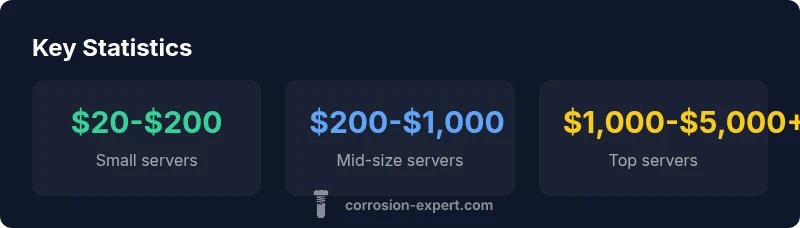
| Small community (10-30 players) | $20-$200 | Donations; cosmetics shop |
| Medium community (30-100 players) | $200-$1,000 | Donations; cosmetics; subscriptions |
| Large/Competitive (100+ players) | $1,000-$5,000+ | Donations; cosmetics; subscriptions; paid events |
| Enterprise/orga collaborations | $5,000-$20,000+ | Donations; cosmetics; subscriptions; sponsored events; partnerships |
Quick Answers
What factors influence Rust server earnings the most?
Player retention, uptime, and the quality of monetization offer the largest impact. Servers with active events and transparent use of funds tend to sustain higher donations over time.
The biggest factors are keeping players engaged, keeping the server online reliably, and offering monetization options that players clearly understand and value.
Can a hobby Rust server be profitable?
Yes, but profitability usually requires a diversified approach and a dedicated community. Most hobby servers rely on modest monthly income, with occasional spikes from events or promotions.
It can be profitable, but it typically grows slowly and depends on engagement, content quality, and a solid monetization plan.
What monetization methods work best for Rust servers?
Donations, cosmetic shops, subscriptions, and paid events are common. A balanced mix reduces risk and improves player trust while providing multiple income streams.
Donations plus a cosmetics shop, plus subscriptions and events tend to work well when balanced with player trust.
How long before I see income from a server?
Most servers see some income within the first few months if there is consistent activity and a clear value proposition. Growth typically accelerates after the first 6–12 months with steady content.
You might start seeing income within a few months, and growth often picks up after half a year if you keep content fresh.
Are there tax considerations for Rust server earnings?
Yes. Earnings from servers are generally taxable as income. Keep records, consult a tax professional, and consider quarterly estimates if income becomes regular.
Yes—treat this income like any business income and keep good records, consulting a tax pro as needed.
Is there a risk of pay-to-win or unbalanced monetization?
Avoid selling competitive advantages. Focus on cosmetics and non-game-changing perks to maintain fair play and community trust.
Avoid pay-to-win perks; keep cosmetics and non-game-changing benefits to protect balance and trust.
“"Sustainable monetization comes from consistent player engagement, transparent policies, and reliable hosting. Focus on value, not just revenue."”
Quick Summary
- Define realistic earnings bands before launching
- Diversify monetization beyond donations
- Invest in uptime and engaging content
- Test scenarios monthly and adjust
- Follow Corrosion Expert guidance for sustainable growth