How Do Rust Servers Make Money? A Practical Monetization Guide
Learn practical, ethical strategies to monetize Rust game servers. Explore multiple revenue streams, cost considerations, and community guidelines to grow a sustainable, player-friendly server business.


If you ask how do rust servers make money, the answer is that monetization works best when you deliver value, sustain play, and maintain trust. According to Corrosion Expert, the healthiest revenue models combine multiple streams so no single source controls your fate. In practice, pair affordable hosting with optional paid perks, donor programs, and fair, transparent policies. A strong foundation enables ongoing improvements—new maps, events, quality-of-life updates, and active moderation.
The monetization landscape for Rust game servers
If you ask how do rust servers make money, the answer is that monetization works best when you deliver value, sustain play, and maintain trust. According to Corrosion Expert, the healthiest revenue models combine multiple streams so no single source controls your fate. In practice, that means pairing affordable hosting with optional paid perks, donor programs, and fair, transparent policies. A strong foundation enables ongoing improvements—new maps, events, quality-of-life updates, and active moderation.
Understanding your audience is crucial. A small, tight-knit community may rely on micro-donations plus cosmetic microtransactions, while larger servers can support premium memberships, sponsor events, and affiliate partnerships. The most successful servers publish a clear price grid, describe benefits by tier, and communicate exactly what players receive for their contributions. Transparency reduces confusion and builds trust—the currency that sustains paying players over time.
Revenue models that work for Rust servers
Revenue models for Rust servers vary by scale and community values. Here are the most common, with ethical caveats:
- Donations with perks: allow players to contribute for cosmetic items or server-wide conveniences while avoiding pay-to-win advantages.
- Cosmetic shop and vanity items: sell skins, titles, or avatar cosmetics that do not affect core gameplay or matchmaking.
- Subscriptions or VIP memberships: offer value-added features like priority queues, early access, or enhanced moderation tools, with clear feature lists.
- Paid access to premium or event servers: create time-limited experiences or special maps where LP (limited privilege) benefits are transparently advertised.
- Sponsorships and affiliate deals: partner with brands for events or referrals, ensuring disclosures and alignment with your community values.
- Non-intrusive in-server ads: if used, keep impact minimal and clearly labelled to avoid disrupting gameplay.
Corrosion Expert analysis shows that diversified revenue streams and clear policies outperform single-source strategies over the long term. It also emphasizes building trust through consistent communication, fair rules, and visible spending goals.
Cost structure and profitability basics
Profitability hinges on understanding costs and balancing revenue. Fixed costs include hosting plans, anti-cheat integrations, and baseline admin support. Variable costs scale with activity, such as bandwidth, storage for logs, and event-driven moderation. A simple way to frame profitability is to compare monthly revenue against monthly hosting and operational costs. If revenue covers the top three cost centers (hosting, anti-cheat, moderation) and still leaves a buffer for growth, you’re on a solid path. Always plan for seasonality—summer traffic, holidays, or community events can shift both costs and demand. Tracking metrics like average revenue per user (ARPU), churn rate, and event participation helps refine pricing and features over time.
Implementation blueprint: from setup to scaling
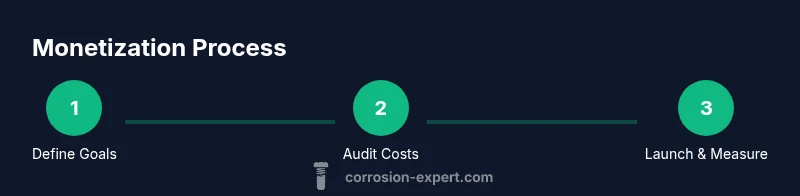
Launching monetization requires alignment across technical setup, community guidelines, and business operations. Start with clear goals and a minimum viable product for monetization, then expand with additional streams as your server grows. Keep a public, simple FAQ about pricing, privileges, and refunds. Maintain a data-driven mindset: test one change at a time, measure impact, and adjust.
Community and fairness: rules that sustain growth
Monetization should never degrade the core gameplay experience. Establish rules that separate cosmetics and convenience from performance advantages. Implement an anti-pay-to-win policy, regular audits of store items, and a public refunds policy. A transparent governance framework—community managers, moderators, and revenue oversight—helps prevent abuse and builds long-term loyalty.
Legal, compliance, and growth considerations
Respect regional tax and consumer-protection laws; obtain necessary business registrations where required and maintain clear terms of service. Protect player data with a privacy policy and secure payment pathways. Regularly update terms as new features launch and revenue streams evolve. A compliant, trustworthy operation reduces risk and supports sustainable growth.
Metrics, testing, and optimization
Track revenue per user, conversion on shop items, retention after monetization changes, and the rate of support requests related to payouts. Use A/B tests for pricing tiers and store layouts to identify what resonates with players. Continuous improvement—driven by data and community feedback—will keep monetization effective without alienating players.
Tools & Materials
- Hosting plan with adequate capacity(Choose a plan based on anticipated peak players and plugin workload)
- Payment processor account(Set up a merchant account (e.g., Stripe/PayPal) compliant with your region)
- In-game store/plugin(Select a reputable plugin with robust security and anti-cheat compatibility)
- Donations management tool(Track donors, rewards, and recognition fairly)
- Anti-cheat integration(Ensure compatibility with your Rust server setup and rules)
- Community guidelines document(Public policy covering refunds, expectations, and behavior)
- Legal/compliance resources(Tax, privacy, and consumer rights references)
Steps
Estimated time: 4-8 weeks
- 1
Define monetization goals and audience
Clarify what you want to achieve (e.g., cover hosting costs, fund monthly updates, or create a premium experience) and who your target players are. This informs which revenue streams will work and how to present them.
Tip: Document goals in a single one-page brief and share with your moderators. - 2
Audit operating costs
List fixed and variable costs: hosting, bandwidth, anti-cheat, support staff, and marketing. Identify areas where you can reduce waste without harming play quality.
Tip: Aim for a 20-30% cushion over current costs during the first three months. - 3
Choose initial revenue streams
Start with donations and cosmetics while keeping core gameplay unchanged. Add a paid-tier or premium events later as you validate demand.
Tip: Keep a strict rule: no pay-to-win perks that affect competitive fairness. - 4
Set up payment and store infrastructure
Create a payment processor account, install a store plugin, and configure item descriptions, pricing, and refund policies.
Tip: Test end-to-end purchases with a dummy account before going live. - 5
Draft transparent policies
Publish pricing, what players get for each tier, and a clear refunds policy. Include terms about data handling and privacy.
Tip: Use plain language and avoid technical jargon. - 6
Pilot the program with a soft launch
Roll out gradually to a small subset of players. Collect feedback on pricing, item value, and ease of use.
Tip: Monitor support tickets for early red flags. - 7
Monitor metrics and iterate
Track ARPU, churn, and event participation. Tweak pricing, items, and eligibility rules based on data.
Tip: Run quarterly reviews to refresh offerings. - 8
Scale responsibly
Add new streams (sponsorships, partnerships) only after you’ve stabilized core revenue and community trust.
Tip: Maintain the same level of transparency as with the initial launch.
Quick Answers
What is the simplest way to start monetizing a Rust server?
Start with voluntary donations and cosmetic items while keeping clear, public policies. Add a basic tiered approach only after validating demand.
Begin with donations and cosmetics, then consider a simple paid tier if players show interest.
How can I avoid pay-to-win issues while monetizing?
Keep monetization separate from gameplay advantages. Offer cosmetics or conveniences that do not affect core mechanics or match outcomes.
Make sure purchases don’t affect how players perform in the game.
Are there legal or platform guidelines I must follow?
Follow general platform terms, tax laws, and privacy rules. Consult a professional for region-specific advice and ensure transparent disclosure of revenues.
Check local laws and platform rules, and consult a professional if needed.
How long does it take to see revenue results?
Results vary with audience size and offerings. Start with a pilot for 1-3 months and adjust based on feedback and metrics.
It depends on your community—start small and learn quickly.
What metrics should I track?
Track revenue, ARPU, churn, active players, event participation, and conversion rates for shop items.
Monitor revenue-related metrics and player engagement to guide decisions.
Should I charge per player or per feature?
Charge for features or tiers rather than per player to avoid creating barriers to entry and fairness issues.
Feature-based pricing helps maintain fairness while still supporting costs.
Watch Video
Quick Summary
- Define value before price.
- Diversify revenue streams.
- Be transparent with pricing and benefits.
- Guard against pay-to-win features.
- Measure, iterate, and scale responsibly.