How to Use Rust: A Practical DIY Guide
Learn how to use rust for decorative patinas and protective finishes on metal. This step-by-step guide covers safety, prep, patina methods, sealing, and maintenance for durable results.


Learn how to use rust safely for decorative patinas and controlled finishes. This guide covers surface prep, patina methods, sealing, and maintenance in clear, action-oriented steps so you can achieve a durable, authentic rust look. By following the methods outlined, you’ll understand how to use rust as a design tool rather than a sign of decay.
What rust is and how it forms
Rust is a corrosion product created when iron or steel reacts with oxygen and water. It looks like a reddish-brown crust, but its chemistry runs deeper: iron oxidizes, electrons transfer to oxygen, and a hydrated oxide layer forms on the surface. For DIY projects, understanding this process helps you decide when to let rust develop naturally, when to accelerate it, and when to stop it before it undermines the metal. If you’re wondering how to use rust in practical terms, you’ll benefit from thinking in three phases: initiating the patina, guiding its growth, and stabilizing the result with a protective layer. According to Corrosion Expert, rust finishes can be purposeful, offering texture and color when applied with control rather than repeated sanding. The goal is not to completely eliminate rust, but to manage its progression so that you get a predictable, repeatable look. With the right materials and timing, a deliberate patina becomes part of the design rather than a sign of decay. In short, rust is both a material challenge and a design tool—used wisely, it adds character and durability to metalwork.
Safety considerations when working with rust
Working with rust and patina solutions involves chemicals, sharp edges, and dust. Always wear gloves, eye protection, and a mask when sanding or applying chemicals. Work in a ventilated area to avoid inhaling fumes from patina or acids. Keep children and pets away. Wash hands after handling metal and patina products. The Corrosion Expert analysis shows that most safety incidents occur when users skip PPE or skip ventilation. Follow label directions for any chemical you apply and never mix cleaners or acids without understanding the reaction. If you have sensitive skin or respiratory issues, consider scheduling tasks in short sessions and using a fan or respirator rated for the chemicals you’re using.
When to use rust as a decorative or functional finish
Rust can be used decoratively on various metals, especially steel and iron, to mimic aged surfaces or industrial wear. For indoor pieces, a controlled patina can protect and enhance. Outdoors, natural weathering can continue, so sealing is important. If your goal is a pre-rusted look or a durable patina, weigh the environment (humidity, salt exposure) and the substrate (cast iron, mild steel). The corrosion expert's guidelines emphasize choosing a method that balances aesthetics and longevity. Decide whether you want a soft, muted patina or a bold, textured surface—the choice will determine your materials and timing.
Preparing surfaces for rust-based finishes
Start by cleaning, removing grease, oil, and old coatings. Lightly abrade to create a key for the patina; use 120-220 grit sandpaper. Wipe with isopropyl alcohol to remove dust. Mask areas you don't want rust, such as screws or logos. If you're applying a base coat, apply thin even coats and let dry. The goal is to produce a uniform starting point so the rust forms predictably. For metal with existing coatings, consider a rust converter first to neutralize oils and convert the surface to a rust-friendly base.
Two common rust patina methods explained
There are two widely used paths to a controlled rust patina: chemical patina using acidic solutions that accelerate oxidation, and a paint-on patina that simulates natural rust without aggressive chemistry. The chemical route can produce rich, variegated textures quickly, but requires strict ventilation and skin protection. The paint-on method is slower but offers more control on color and pattern, making it ideal for indoor pieces or furniture. In both cases, the goal is predictable color tones and texture, not random corrosion. The Corrosion Expert team recommends testing on scrap metal before applying to your final piece to dial in color, thickness, and durability.
Applying the patina: method A vs method B
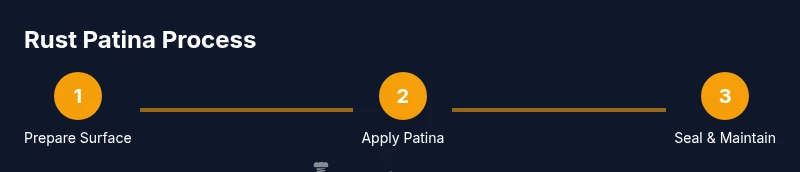
Method A (acid-based patina): apply a rust-inducing solution following label directions, then let it develop for the recommended time. Rinse and dry, then apply a sealant. Method B (paint-on patina): brush on a rust-effect paint or oxide gel in thin layers, building color gradually. Allow each layer to dry before applying the next. Both methods benefit from masking off edges you want to keep clean and from controlling humidity to avoid blotching. Detailed planning reduces surprises and ensures you achieve the exact look you want.
Sealing and protecting the rust finish
Sealing locks in the patina and protects it from moisture, abrasion, and UV exposure. Choose a clear sealant compatible with the patina type you used. For indoor pieces, a satin or matte finish offers a subtle look; for outdoor items, select a sealant rated for exterior use and UV resistance. Apply the sealant in thin, even coats, allowing full cure between steps. Reapply as recommended by the maker to maintain durability. Regular cleaning with a soft cloth will extend the life of the patina without dulling it.
Troubleshooting common issues
If your patina looks uneven, lightly rework the surfaces with a gentle abrasive and reapply the patina in problem areas. If the finish fades after sealing, re-evaluate the sealant compatibility or re-seal with additional coats. For outdoor pieces, unexpected weather can alter color; consider adding a protective topcoat designed for exterior metal. Always perform small-area tests before touching large sections to prevent widespread mismatches.
Long-term maintenance and outdoor durability
Long-term durability depends on environmental exposure, maintenance, and sealant quality. Clean rusted areas with a soft brush and avoid harsh chemicals that can strip patina. Inspect regularly and reapply sealant as needed, especially in coastal or highly humid environments. With proper care, a rust patina can be a durable feature rather than a constant maintenance issue. The aim is to enjoy a stable, attractive finish that ages gracefully.
Tools & Materials
- Fine-grit steel wool (0000 grade)(For surface preparation and gentle scuffing before patina application)
- 120-220 grit sandpaper(Creates a key for the patina and removes existing coatings)
- Isopropyl alcohol (70% or higher)(Cleans dust and oils before patina work)
- Masking tape or liquid masking film(Protects areas you don’t want rust to form on)
- Patina solution kit or rust oxide paint(Choose based on your patina method (acid-based or paint-on))
- Sealant or clear protective finish(Exterior-rated or interior-rated based on project location)
- Protective gloves and safety goggles(PPE to prevent skin and eye contact with chemicals)
- Ventilated workspace or respirator(Important for chemical patinas; ensure good airflow)
- Soft cloths and paper towels(For wiping, cleaning, and drying surfaces)
- Paint brushes (various sizes)(For applying patina and sealant in even coats)
Steps
Estimated time: 2-4 hours
- 1
Inspect and clean the surface
Begin by inspecting the piece for existing coatings, rust pockets, and damage. Clean with soap and water, then dry completely to prevent moisture during patina application.
Tip: Dry thoroughly; moisture ruins patina consistency. - 2
Mask off areas you want to protect
Use masking tape or masking film to protect screws, logos, edges, and any areas you want to remain rust-free.
Tip: Create clean edges with sharp tape lines for a professional look. - 3
Choose your patina method
Decide between an acid-based patina for a rich, variegated look or a paint-on patina for precise control.
Tip: If unsure, start with the paint-on method on a scrap piece. - 4
Apply base or primer if required
If your chosen method requires a base coat, apply a thin, even layer and allow proper drying time.
Tip: Thin layers prevent pooling and blotching. - 5
Apply the patina solution or oxide
Follow product instructions to apply the patina; work in small sections to maintain control over color development.
Tip: Work quickly to avoid dry patches before you complete a section. - 6
Allow patina to develop
Let the patina age for the recommended time. This can range from a few minutes to several hours depending on method.
Tip: Check color progression frequently to prevent over-development. - 7
Rinse, dry, and assess
Rinse off any excess solution or wipe away by-products, then dry thoroughly. Assess color and texture for uniformity.
Tip: Drying in a warm, draft-free area speeds stabilization. - 8
Seal the finish
Apply an appropriate sealant in thin coats and allow full cure per manufacturer instructions.
Tip: Ensure compatibility between patina and sealant. - 9
Final evaluation and maintenance plan
Test durability and note areas needing touch-ups. Plan periodic maintenance to keep the patina vibrant.
Tip: Document the color you achieved for future touch-ups.
Quick Answers
Can you apply rust patina to all metals or only iron and steel?
Rust patinas work best on ferrous metals like iron and steel. Non-ferrous metals may not oxidize the same way, so you’ll typically need alternative finishes. Always test a small area first.
Rust patinas generally work best on iron and steel; test a small area on other metals before proceeding.
Is it safe to use rust patina indoors?
Indoor use is fine with proper ventilation and non-toxic patinas. Choose patinas labeled for indoor use and work in a well-ventilated space to minimize fumes.
Yes, indoors is fine if you ventilate and choose a suitable patina.
How long does a rust patina take to develop?
Development time varies by method and environment, from minutes for fast patinas to several hours for deeper textures. Plan for at least a few hours to reach a desirable look.
Development times range from minutes to hours depending on the method.
What sealer is best for rust finishes?
Choose a clear sealant compatible with your patina type. Exterior projects benefit from UV and moisture resistance; indoor projects can use a satin finish for aesthetics.
Pick a sealant compatible with your patina and your environment.
How should rust products be stored safely?
Store chemicals in labeled containers, away from heat sources and children. Keep containers sealed and upright to prevent spills and fumes.
Store chemicals in labeled containers, away from kids and heat.
Can I remove or adjust the patina after it’s applied?
Yes, you can adjust the patina by re-sanding lightly and applying a fresh layer or by applying a finish that modifies color. Test first on scrap.
You can tweak the patina with careful reapplication or sanding.
Watch Video
Quick Summary
- Know rust basics and finish goals
- Prepare surface thoroughly for predictable patina
- Choose a patina method that suits indoor vs outdoor use
- Seal promptly to protect color and texture
- Test on scrap before committing to the final piece