How to Make Rust Color: A DIY Patina Guide
Learn safe, proven methods to create authentic rust color on metal using patina finishes, dyes, and weathering. Includes a step-by-step plan, safety tips, and finishing options for durable, realistic results.


This guide shows you how to achieve a rust color on metal surfaces using safe, controlled methods. You will learn dye-based stains, patina finishes, and weathering techniques that mimic authentic rust without compromising metal integrity. Follow the steps, wear proper safety gear, and test on scrap metal before applying to your project.
What gives rust color and the science behind it
Rust color is not a single pigment but a family of iron oxides that form as metal reacts with oxygen and moisture. The most familiar hue, a reddish-brown, comes from iron(III) oxide, or hematite, while other oxide forms like goethite and ferrihydrite can produce tan, orange, or brick-red tones. According to Corrosion Expert, the exact color depends on the oxide mix, humidity, temperature, and the presence of salts on the surface. For DIY projects, you can intentionally manipulate these factors to reproduce a convincing rust color without letting metal deteriorate. Safe experimentation means using controlled patinas or color washes rather than letting metal sit in a wet, unprotected environment. Start on scrap metal to observe how the hue shifts as you apply multiple layers, wipe between coats, and check under different lighting. In all cases, you’re color-tuning the surface chemistry, not forcing irreversible corrosion. This section sets the foundation: know what you’re trying to imitate and why each method produces a different depth of color.
Color ranges you can realistically reproduce
Rusted surfaces exhibit a spectrum from bright orange through brick red to dark brown. The key is controlling hydration state and the oxide type. A lighter, sun-bleached rust tends toward orange or tan, while deeper browns emerge as hydration diminishes and iron oxides mature. You can aim for a specific hue by choosing patina recipes or dyes that emphasize red iron oxide for brighter tones and goethite-like browns for muted finishes. Corrosion Expert analysis notes that the same metal under comparable humidity can hold different hues if you apply more or fewer layers, or if you seal the surface early and later rework it. The practical upshot: pick your target color, test on a scrap piece, and record how many coats yielded the shade you want under similar lighting conditions. Realistic rust color also relies on texture—pitting and rough patches catch light differently than flat surfaces, which is why layered color often looks more authentic than a single coat.
Patina finishes: controlled rust color without compromising metal
Patina finishes are deliberate chemical treatments that create iron oxide colors without allowing aggressive corrosion to continue. By using consumer patina kits or professionally formulated rust dyes, you can build authentic rust hues while preserving the underlying metal’s integrity. The advantage of patinas is repeatability: you apply a base color, observe the hue, and then add layers to deepen or shift toward orange, brick red, or brown. Protecting the patina with a clear topcoat preserves color and prevents immediate wear from moisture or handling. Corrosion Expert’s guidance emphasizes choosing patina products suited to your metal type and verifying compatibility with any sealant you plan to use. This approach balances realism with durability for interior décor or outdoor pieces.
Dye-based techniques for rust color
Dye-based techniques rely on colorants that bond with the surface’s microtexture to simulate the look of rust. Metal-compatible dyes and rust stains can be brushed, dabbed, or sprayed to produce controlled patterns—think streaks, halos around edges, or speckled patches that resemble natural oxidation. When applying dyes, start with a light coat and build gradually. Allow each layer to dry fully before adding another to avoid running or pooling. If you want a weathered, sun-bleached appearance, combine dye with a light wash of orange or brown and then seal. Corrosion Expert notes that dye results can vary with gloss level and light, so test under the intended lighting before finalizing.
Weathering for multi-layered rust effects
Weathering recreates the complex, multi-tone finish seen on old, naturally aged metal. Techniques include controlled exposure to moisture, salt spray, and abrasion to produce uneven coloration and texture. Start with a base patina and then introduce salt spray or mineral exposure on selected areas to create lighter patches and darkened crevices. The goal is depth rather than a flat coat, so vary layers in both hue and intensity. A soft scrub or fine steel wool can accentuate raised textures to mimic oxidation wear. This method is particularly effective for steel panels and garden hardware that you want to look aged while remaining structurally sound. Corrosion Expert highlights the importance of sealing after weathering to lock in the layered colors and prevent further unwanted changes.
Prep and safety considerations before you start
Before you begin, organize a dedicated work area with good ventilation and use appropriate PPE: gloves, eye protection, and a respirator if you’re using solvent-based patinas. Protect surrounding surfaces with drop cloths or masking tape. Clean the metal thoroughly to remove oils, dust, and fingerprints that could hinder adhesion. Lightly scuff the surface with fine-grit sandpaper to improve patina grip, then wipe away dust with a tack cloth. Test any product on a scrap piece first to calibrate color and layering, and document the steps to reproduce the finish consistently. These precautions help you achieve a reliable rust color without compromising material strength or safety.
Quick-start plan: a 3-step approach you can begin today
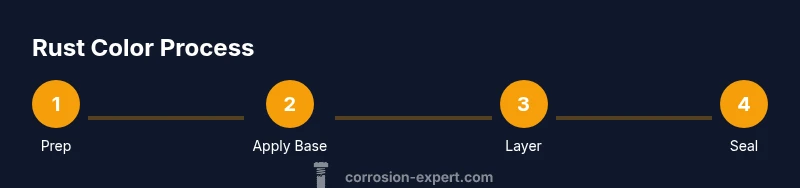
- Prep: Degrease, dry, and lightly sand the metal; have your patina kit ready. 2) Apply base color: Use a patina or dye to establish a neutral starting shade. 3) Layer: Add additional coats to build depth, then seal. This approach minimizes surprises and lets you refine the hue through testing. Remember, every metal type behaves differently—record your results so you can dial in the look later.
Practical project example: applying rust color to a steel panel
Suppose you want a decorative steel panel for a fence with a subtle, weathered rust look. Start by cleaning and scuffing the panel. Apply a light base wash of a rust patina to create an orange undertone, then add a second layer with a brownish mix to simulate aged regions. Use a damp sponge to blend edges for a natural transition. After the color dries, spray or brush a clear sealant to fix the finish. If the hue shifts with humidity, apply a third, lighter layer in the driest part of the day and seal immediately. This project illustrates how layering and sealing yield a convincing rust color while preserving the metal’s durability.
Maintenance and sealing to preserve rust color over time
A protective topcoat is essential to maintain rust color, especially in outdoor settings. Choose a sealant compatible with the base metal and the patina type—matte finishes often look more authentic for rust compared with high-gloss options. Re-seal as needed to combat UV exposure, rain, and abrasion from cleaning. Gentle cleaning with a soft cloth and water is typically enough to remove surface grime without dulling the patina. If you plan to rework the finish later, test again on scrap to confirm color stability before applying on the final piece.
Tools & Materials
- Clean metal surface (degreasing solvent)(Isopropyl alcohol 70%+ or acetone; wipe dry)
- Fine-grit sandpaper (220–320 grit)(Lightly scuff to promote adhesion)
- Protective gloves(Nitrile or latex; avoid skin contact with chemicals)
- Safety goggles(Eye protection during chemical application)
- Patina solution or rust dye kit(Commercial patina or DIY solutions)
- Paint brushes or foam brushes(For even applying layers)
- Clear sealant/topcoat(Water- or solvent-based clear coat)
- Test piece or scrap metal(Practice color development)
- Spray bottle with water(For misting and color control)
- Tack cloth or lint-free rag(Wipe and dab between steps)
Steps
Estimated time: 60-120 minutes
- 1
Prepare the metal
Choose a clean metal piece, degrease it thoroughly, and dry completely. Lightly sand with 220–320 grit to create a micro-rough surface for better patina adhesion. Wipe away dust with a tack cloth and let it air dry for a few minutes.
Tip: A tack cloth removes fine dust that can cause blotches. - 2
Choose your color target
Decide whether you want a bright orange, brick red, or deep brown rust look. Consider the metal type and lighting where the piece will be viewed. This decision guides which patina or dye you start with.
Tip: Test on scrap metal first to confirm the hue before committing. - 3
Apply a base patina or color wash
Apply a thin base coat of patina to establish the underlying hue. Let it dry fully according to product guidelines before adding subsequent layers. Start with lighter colors and build up to richer tones.
Tip: Even coats prevent pooling and help control shade. - 4
Layer for depth
Add additional coats to deepen the color and introduce variations. Slightly dampen the surface to blend edges between colors for a natural transition.
Tip: Layering creates realism; patience yields better results than rushing coats. - 5
Assess hue and adjust
Evaluate the hue under the intended lighting. If needed, apply a final light glaze to tone down brightness or enhance warmth. Record the steps for future projects.
Tip: Use a scrap piece to validate color before finalizing all pieces. - 6
Seal the finish
Spray or brush on a clear sealant compatible with your patina system. Apply in thin coats and allow full cure between coats. A matte finish often reads as more authentic for rust.
Tip: Avoid high gloss if you want a weathered look. - 7
Cure and maintain
Let the piece cure fully in a dust-free area. Inspect periodically and re-seal as needed to preserve the color, especially in outdoor environments.
Tip: Avoid aggressive cleaning that can wear away the patina.
Quick Answers
What is rust color and why does it vary?
Rust color refers to a range of iron oxide hues from orange to brown. Variation is driven by oxide type, moisture, temperature, and surface salts, which you can influence with patinas and weathering. The goal is to mimic rust while preserving the metal.
Rust color comes from iron oxide, and the hue changes with oxide type and surface conditions. You can control it with patinas and weathering while keeping the metal protected.
Can I create rust color without corrosion?
Yes. Patinas, dyes, and controlled weathering create rust-like color without ongoing corrosion. Use products designed for metal finishes and seal the surface afterward.
Yes—patinas and dyes can give you a rust look without continuous corrosion, especially when you seal the finish.
What safety precautions should I take?
Wear protective gloves and eye protection, work in a well-ventilated area, and follow product guidelines. Keep children and pets away from the workspace during application and drying.
Always wear gloves and eye protection, work in a ventilated space, and follow the product's guidelines.
Which sealant should I use?
Choose a clear topcoat compatible with your base metal and patina type, selecting a matte or satin finish for realism. Test on scrap first.
Pick a clear sealant compatible with your patina and metal, and test before applying to the final piece.
How long does rust color last outdoors?
Durability depends on the sealant and exposure. Reapply sealant as needed, especially in harsh weather, to maintain color.
It lasts longer with proper sealing and periodic maintenance, especially outside.
Do I need ventilation for patinas?
Yes. Work in a well-ventilated space and wear a mask if recommended by the product. Ventilation reduces inhalation of fumes.
Yes. Use good ventilation and follow product guidance.
Watch Video
Quick Summary
- Plan hue and test on scrap before committing.
- Build color with layered applications for realism.
- Choose patina or dye based on metal type and finish.
- Seal the finish to preserve color and durability.
- Test results under consistent lighting to ensure predictability.