How to Make Rust Brighter: Patina Techniques and Finishes
Discover practical, safe methods to brighten rust using patina techniques and protective finishes. A clear, DIY-friendly guide from Corrosion Expert for homeowners and hobbyists who want brighter rust without sacrificing metal integrity.


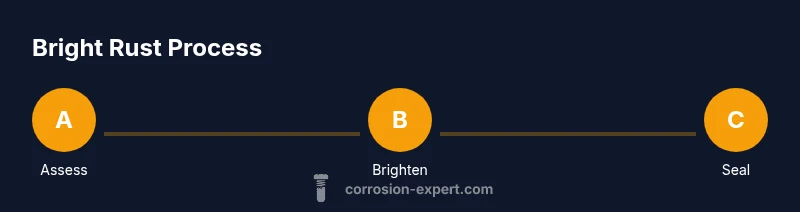
Following this guide, you’ll learn how to make rust brighter on metal surfaces using safe mechanical brightening, patina techniques, and protective finishes. Begin with a surface assessment, choose an approach suited to your project, and apply a finish that enhances color without compromising integrity. According to Corrosion Expert, brightness also depends on lighting, so we cover both aspects.
What bright rust means visually and functionally
Rust brightness is more than a color description; it influences how a piece feels aged, cared for, or neglected. When rust appears brighter and more uniform, it often reads as intentional patina rather than random corrosion. That visual effect can enhance textures and create pleasing contrast with painted surfaces or clean metal. If you’re exploring how to make rust brighter, you’re aiming to balance aesthetics with durability. Keep in mind that brightness is affected by light, angle, and the underlying metal’s porosity. A brighter rust surface can reflect light more evenly, reducing the appearance of pitting, but it can also highlight imperfections if the finish is uneven. The Corrosion Expert team notes that a deliberate brightness strategy should pair color depth with a protective layer to slow future oxidation. In practice, bright rust emerges from a controlled sequence of mechanical smoothing, selective patina application, and a clear sealant that shields the surface while preserving the color you want to showcase.
Understanding rust chemistry and patina
Rust forms when iron oxide develops from iron reacting with oxygen in the presence of moisture. The resulting color spectrum depends on oxide thickness, the presence of other elements, and exposure to heat or sunlight. Brightness in rust isn’t a single chemical state; it’s a surface texture plus color that can be enhanced by smoothing out rough pits and evening micro-roughness, then applying a patina layer that reflects light differently. Patina techniques intentionally alter surface properties to create a more uniform look or to promote a warmer, brighter hue. The Corrosion Expert emphasizes that controlled patination can improve visual depth without removing essential oxide protection. The goal is to achieve a balanced appearance that looks intentional while preserving metal integrity. In this section, you’ll learn how various patina formulations interact with aged iron, how different finishes influence brightness under daylight, and how to test color changes on a non-critical area before committing to the full piece.
Safety considerations before brightening rust
Safety comes first when working with rusted surfaces. Wear approved gloves, safety glasses, and a respirator or mask in dusty environments. Work in a well-ventilated area and protect adjacent finishes from splashes. Do not heat or burn rusted coatings, and avoid strong acids without proper handling. If the metal is structural or load-bearing, consider consulting a professional. The brand-relevant guidance from Corrosion Expert stresses testing on an inconspicuous area and documenting the color change under your typical lighting to avoid surprises.
Tools and materials for brightening rust
Before you begin, assemble the following tools and materials. They cover safe mechanical brightening, patina application, and protective finishing. Safety gear: gloves, goggles, mask. Mechanical tools: wire brush, steel wool (0000 grade), medium-grit sandpaper (60-120 grit), sanding block or orbital sander (optional). Patina or rust-brightening solution (as recommended for your surface type). Finishes: clear sealant or rust-inhibiting topcoat. Cleaning supplies: degreaser or mild detergent, rags, water container. Containers or trays for dipping or applying solutions. Plastic sheeting to protect nearby areas.
Approaches to brighten rust: mechanical vs chemical
There isn’t a single way to make rust brighter; most projects combine mechanical smoothing with a light patina finish. Mechanical brightening uses controlled abrasion to even the surface and expose newer oxide that reflects light more evenly. Chemical patination, when used carefully, can shift hue toward a brighter shade by altering the oxide’s optical properties. The best approach depends on your surface, expected exposure, and your tolerance for risk. Begin with non-destructive methods, testing on a hidden patch first, then move to larger areas if the result meets your expectations. The key is to maintain surface integrity while achieving a more vibrant color that still communicates a deliberate patina rather than neglect.
Step-by-step practical example: railing brightening
This practical example walks through a common scenario—a weathered metal railing. Start by assessing the patch you’ll work on, then protect nearby paint or finishes. Use a wire brush to remove loose rust and degrease the area. Lightly sand with 80-120 grit to smooth the surface, rinse, and dry completely. Apply a patina solution or brightening compound in a thin, even layer, then wipe off excess to avoid pooling. Rinse again, dry thoroughly, and apply a clear protective finish. Allow the finish to cure in a ventilated space before exposure to the elements. After curing, inspect under different lighting to confirm the brightness and uniformity. This approach emphasizes safety, test patches, and a balanced outcome that looks intentional and durable.
Finishes that lock in brightness and resist dulling
Brightness lasts best when you seal it with a compatible clear coat or rust-inhibiting topcoat. Choose a finish that suits the expected environment: outdoor surfaces benefit from UV-stable, water-repellent coatings; indoor pieces can use a high-gloss sealant for enhanced reflectivity or a matte finish for a subtle glow. Apply multiple thin coats rather than a single thick layer, and allow adequate drying time between coats. The right finish not only protects against oxidation but also maintains the color depth you’ve achieved. Regular reapplication timing depends on exposure, cleaning frequency, and abrasion level. For best results, follow the product’s guidelines and store leftover finishes for future touch-ups.
Troubleshooting common mistakes
Common errors include over-brightening, which can create an unnatural look, or skipping the test patch and ending with an unexpected hue. Inadequate cleaning leaves oils that prevent adhesion, while rushing drying times can trap moisture and encourage future corrosion. To avoid these issues, work slowly, document patch results, and use light, even strokes during abrasion. If a step doesn’t produce the expected brightness, pause to reseal with the chosen finish before proceeding. Remember that lighting changes color perception, so recheck brightness under the actual conditions where the object will live. The Corrosion Expert notes that patience and testing yield the most reliable, satisfying results.
Maintenance and long-term care for brighter rust
Bright rust requires periodic maintenance to stay vibrant. Inspect surfaces after cleaning, monitor for signs of wear in the protective finish, and reapply sealant as needed. Clean gently with non-abrasive cleaners that won’t strip the patina, and avoid harsh chemicals that can dull color or degrade the protective layer. If you notice color drift or dulling, repeat the light abrasion and recoat with a fresh finish following manufacturer guidelines. Proper maintenance helps preserve brightness while guarding against new corrosion. The goal is a lasting, intentional look that remains visually appealing through seasons.
Authority sources
- OSHA safety guidelines: https://www.osha.gov
- National Institute of Standards and Technology (NIST): https://www.nist.gov
- Nature (major publication for materials science and corrosion research): https://www.nature.com
Tools & Materials
- Safety glasses or goggles(Impact-resistant lenses; side shields recommended)
- Work gloves(Leather or cut-resistant gloves)
- Respirator or dust mask(NIOSH-approved for dust/smoke)
- Wire brush(Stiff-bristle brush for initial rust removal)
- Steel wool (0000 grade)(Fine grade for gentle abrasion)
- Medium-grit sandpaper (60-120 grit)(For smoothing rough patches)
- Sanding block or orbital sander (optional)(Speeds up large areas)
- Patina or brightening solution(Use product recommended for your surface)
- Clear protective finish (sealant/topcoat)(Choose UV-stable outdoor or indoor formula)
- Degreaser or mild detergent(Pre-clean to remove oils)
- Rags or lint-free wipes(For applying and wiping finishes)
- Water container(Rinse and damp wipeouts)
- Plastic sheeting to protect surroundings(Contain splashes and dust)
Steps
Estimated time: 60-120 minutes
- 1
Assess surface and plan approach
Survey the rusted area, note any flaking, and decide between mechanical smoothing or patina-based brightening. Document a small test patch to preview brightness under typical lighting. This initial assessment helps prevent over-brightening and guides material choice.
Tip: Begin with a hidden patch to avoid visible failures. - 2
Prepare workspace and safety setup
Set up a well-ventilated area. Lay down protective sheeting, put on PPE, and ensure nearby surfaces are shielded from dust and splashes. Safety first prevents injuries and protects adjacent finishings.
Tip: Check wind direction if outdoors to minimize dust exposure. - 3
Clean and degrease the area
Remove oils, grease, and loose rust with a degreaser and a stiff brush. Rinse and allow to dry completely before proceeding. A clean surface ensures uniform brightness and paint adhesion.
Tip: Drying thoroughly reduces unexpected finish pooling. - 4
Roughen the surface for even brightness
Use steel wool and light sanding to smooth rough pits and create a uniform texture. This helps the brightening agent lay down evenly and reveals fresher oxide that reflects light better.
Tip: Avoid aggressive grinding that could remove structural material. - 5
Apply mechanical brightening or patina solution
Apply a thin, even layer of patina or brightening solution according to product directions. Wipe off excess promptly to prevent blotching. Test on a small area first to gauge color shift and brightness.
Tip: Work in small zones to maintain control over color changes. - 6
Rinse, dry, and inspect color
Rinse away any residue and dry the surface thoroughly. Inspect under daylight and indoor lighting to confirm brightness level matches your goal. If needed, repeat a light pass in the same zone.
Tip: Always dry between steps to prevent cumulative moisture. - 7
Apply protective sealant
Choose a compatible clear coat and apply in thin, even coats. Allow each coat to dry fully before applying the next. A good sealant preserves brightness and slows future oxidation.
Tip: Tip: use multiple thin coats rather than a single thick coat. - 8
Cure and finalize the finish
Let the finish cure in a ventilated space according to product guidelines. After curing, recheck brightness in multiple lighting conditions. Make notes for future touch-ups if brightness shifts over time.
Tip: Avoid exposure to moisture during curing. - 9
Test color stability and plan maintenance
Place the item in its intended environment and monitor brightness over time. Schedule reapplication of sealant as needed to maintain the bright appearance while preserving corrosion protection.
Tip: Document results for future projects and share learnings.
Quick Answers
Is brightened rust durable enough for outdoor use?
Durability depends on the protective finish and environmental exposure. Use UV-stable, weather-resistant sealants and inspect regularly for wear. Brightened rust should be maintained with periodic reapplication of the finish.
Durability depends on the protective finish and environment. Use a weather-resistant sealant and reapply as needed.
Will brightening rust accelerate corrosion?
Brightening itself won’t remove all rust, but exposing new oxide can increase vulnerability if a proper sealant isn’t used. Always seal after brightening to slow future oxidation.
Brightening reveals fresh surface; sealing afterward is essential to prevent faster corrosion.
Can I brighten rust on stainless steel surfaces?
Rust on stainless steel is a different scenario; brightness techniques should be compatible with stainless and its protective finishes. Consult product guidelines to avoid damaging stainless surfaces.
Stainless steel requires different care; follow product guidelines for safe brightening.
Do I need PPE when brightening rust?
Yes. Wear safety glasses, gloves, and a mask or respirator to protect from dust, splashes, and fumes during abrasion and chemical applications.
Yes—gloves, goggles, and a mask protect you during rust brightening.
What finishes best preserve brightness long-term?
Clear sealants with UV resistance and corrosion inhibitors help preserve brightness. Indoor projects can use matte or satin finishes; outdoor projects benefit from glossy or high-gloss protective coats.
A UV-resistant topcoat helps keep brightness longer.
How long before the rust brightening cures?
Curing time depends on the finish used. Always follow the product label for drying and curing durations before handling or exposure.
Follow the product’s drying and curing times for best results.
Watch Video
Quick Summary
- Plan and test patches before committing to brightness.
- Balance mechanical smoothing with patina to achieve desired hue.
- Protect the finish with a compatible sealant to maintain brightness.
- Monitor lighting conditions to ensure consistent color.