How to Make Rust Look Good: DIY Patina and Finishes
Learn a practical, step-by-step approach to turning rust into an intentional, attractive patina. Surface prep, patina methods, protective finishes, and maintenance for durable, visually pleasing rust aesthetics.


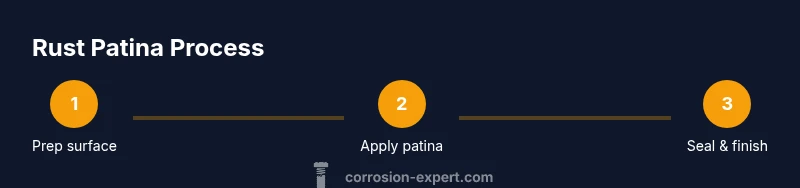
By following this guide, you can make rust look good by embracing a deliberate patina, preparing the metal, applying a controlled finish, and maintaining it over time. You’ll need basic safety gear, rust-prep tools, and a suitable sealant. This steps-focused approach shows how to turn corrosion into intentional texture and color.
Why Rust Can Look Good
Rust is often viewed as a problem to solve, but with intention it can become a striking design element. A deliberate patina adds texture, warmth, and contrast that many modern aesthetics embrace. The key is control: you want a predictable look rather than unpredictable pits and flaking. According to Corrosion Expert, embracing a patina can yield an elegant finish when you manage color, texture, and protective layers. With the right approach, rust becomes a feature rather than a flaw, lending depth to metalwork, furniture, and architectural accents. This section lays the philosophical groundwork for treating rust as art, not just a problem to fix. You’ll learn how patina can harmonize with surrounding materials and environmental context while still staying durable and maintainable.
Assessing Your Rust: Patina or Pitting
Not all rust is equal in the eyes of design. For a deliberate look, distinguish between a stable patina and active corrosion. Patina is a calm, even layer that changes color with time, while pitting indicates structural weakness and rough texture. Start by inspecting the surface: are there deep pits, flaking, or flaking? If the metal remains structurally sound, you can pursue a patina approach with controlled aging. If you notice hollow spots or severe rust, stability may be compromised and you should consider removal or restoration steps before finishing. The goal is to establish a baseline you can amplify intentionally, not to hide major corrosion.
Surface Prep for Aesthetic Patina
Surface prep is the foundation of a good rust look. Clean the metal to remove oils, dirt, and loose rust so the patina adheres evenly. Use a wire brush or steel wool to remove loose debris, then wipe with a degreasing solvent like acetone or mineral spirits. Light sanding with 120–220 grit paper creates a uniform texture that helps patina layers grip. If you’re starting from bare metal, consider a light etch to increase surface roughness. The better your prep, the more predictable the final appearance will be. Safety gear—gloves, goggles, and a mask—should be worn during prep.
Patina Techniques: Chemical Aging vs Natural Weathering
You have two broad paths: chemical patinas that accelerate color changes and natural weathering for a more organic look. Chemical patinas (such as ferric nitrate or liver of sulfur) can create warm browns, blues, and greens in a predictable timeline. Always follow product instructions and work in a well-ventilated area. Natural weathering relies on humidity, temperature, and exposure to air; this path is slower but more unique to your environment. For a controlled result, use a protective finish after the patina develops to lock in color and prevent abrupt changes due to moisture or handling.
Finishes That Highlight Rust: Sealants and Coatings
A finish is what makes your rust look deliberate and durable. Matte or satin sealants tend to preserve the natural look and keep the texture visible, while glossier options emphasize color changes. Clear polyurethane, wax, or oil-based sealants all have pros and cons depending on indoor vs. outdoor use. Outdoors, UV resistance and weatherproofing are crucial; indoors, you can opt for a softer sheen. Apply in thin, even coats, allowing adequate drying time between layers. Reapplication will be necessary over time, especially in high-traffic areas. The right finish protects the patina from moisture and abrasion while maintaining the aesthetic you designed.
Color Palettes and Texture Combinations
Rust offers a spectrum—from warm coppers and ambers to iron-gray and blue-gray hues. Choose a palette that complements surrounding materials (wood, glass, concrete) and the setting (indoors vs. outdoors). Texture is equally important: combine smooth base panels with rougher, weathered accents to create contrast. If you’re aiming for a vintage-industrial vibe, pair matte rust with brushed metal highlights and dark hardware. For a more rustic charm, integrate lighter patina tones with subtle grain textures. The goal is to create cohesion, not chaos, by balancing color, shine, and tactile feel.
DIY Project Scenarios: Metals and Surfaces
Different substrates respond differently to patina and finishes. Mild steel, wrought iron, and unlacquered aluminum react distinctly to patina treatments, so tailor your approach. Outdoor garden accents, toolbox lids, railings, and furniture each have unique considerations like weather exposure, thermal cycling, and humidity. When working with galvanized steel or pre-treated surfaces, your options may be more limited, since some coatings inhibit patina formation. Always test on a scrap piece first and adjust your technique based on observed results. This practical discipline helps you replicate the look you want across multiple projects.
Common Mistakes and How to Avoid Them
Rushing the patina process leads to uneven color and blotches. Over-saturating the surface with patina chemicals can cause runs or pooling, which is hard to even out later. Another pitfall is sealing too early—patina needs time to develop before the final coat. Conversely, waiting too long to seal may let moisture alter color. Use thin coats and consistent technique; work in small sections to maintain control. Finally, avoid cheap sprays or incompatible coatings that yellow over time; compatibility matters for long-term durability and appearance.
Maintenance Routine to Keep the Look
A durable patina needs a maintenance routine. Clean gently with a soft cloth, avoiding harsh abrasives that could abrade the patina. Reapply a protective finish every 1–3 years, depending on exposure. For outdoor items, inspect for signs of wear after seasonal shifts and re-seal as needed. If you notice color drift, you can reapply a light patina layer to refresh the look. The aim is consistency: small, regular touch-ups will keep the rust appearance deliberate and appealing for years.
Real-World Case Study: Small Patio Table
A small steel patio table started with light surface prep and a natural aging approach. The designer brushed away loose rust, then applied a diluted patina solution to create warm brown tones. After developing for 24 hours, a matte polyurethane finish was applied in two ultra-thin coats. The result was a durable, weather-resistant patina with a soft, rustic glow that complemented surrounding planters and stonework. Maintenance involved yearly cleaning and re-sealing to preserve the hue and texture.
Safety, Environment, and Disposal
Patina chemicals can be hazardous; always work in a ventilated area and wear protective gear. Some patinas contain sulfur or acids that require careful handling and disposal per local regulations. Avoid skin contact, and wash thoroughly after use. For outdoor projects, consider the environmental impact of runoff—use trays and containment when applying liquids, and never rinse onto soil or plants. After the look is achieved, store chemicals securely and dispose of any waste according to local guidelines.
Tools & Materials
- Safety goggles(Protect eyes from debris and chemical splashes)
- Nitrile gloves(Chemical resistance and dexterity)
- Respirator or dust mask(Prevent inhalation of dust and fumes)
- Wire brush(Remove loose rust and debris)
- Steel wool 0000(Create uniform micro-abrasion)
- 120–220 grit sandpaper(Smooth rough areas and blend edges)
- Degreaser/acetone(Degrease surface before patina)
- Patina chemicals (ferric nitrate or liver of sulfur)(Selective application; follow safety data sheet)
- Clear sealant (matte polyurethane or wax)(Protect and set the look)
- Degreased rags(Wipe surfaces and apply finishes)
- Drop cloths and masking tape(Protect surrounding areas)
- Spray bottle for controlled application(Rinse and dilute solutions as needed)
Steps
Estimated time: 2-6 hours active work, plus 24–72 hours curing depending on finish
- 1
Prepare the metal surface
Put on safety gear. Use a wire brush to remove loose rust and dirt, then degrease the surface with acetone or a degreaser. Rinse with water and dry thoroughly before proceeding.
Tip: Test a small area first to gauge how the patina will develop. - 2
Choose patina approach
Decide whether to use a chemical patina or rely on natural weathering. Consider the indoor/outdoor setting and desired color range. Gather the appropriate patina product and follow its safety instructions.
Tip: For beginners, start with a milder patina solution on scrap metal first. - 3
Apply patina or begin weathering
Apply the patina in thin coats, working in uniform strokes. If natural weathering is chosen, place the item in a location with stable temperature and humidity. Allow the solution to react as directed.
Tip: Avoid pooling; multiple thin coats produce a smoother color shift. - 4
Let patina develop
Give the patina adequate time to develop. This can range from a few hours to 24 hours depending on the method. Keep the piece away from direct moisture during this phase.
Tip: Use a fan or gentle air movement to prevent condensation on the surface. - 5
Seal the finish
Apply a thin, even coat of a matte sealant or wax to lock in the color and provide protection. Follow the product’s drying times and apply additional light coats if needed.
Tip: Wait for complete cure between coats to avoid streaking. - 6
Initial maintenance
Inspect periodically for wear and reapply sealant as needed. Clean with a soft cloth, avoiding harsh abrasives that could wear away the patina.
Tip: Document a maintenance calendar to keep the look consistent.
Quick Answers
What exactly is patina and how does it relate to rust aesthetics?
Patina is a thin, aesthetically pleasing layer that forms on metal surfaces through oxidation or chemical treatment. It creates color variation and texture that enhance the look of rust rather than hide it. When controlled, patina adds depth and character to metal projects.
Patina is a thin color layer on metal that makes rust look intentional. When controlled, it adds depth and character to projects.
Can I seal rust to preserve the look outdoors?
Yes. Use a UV-resistant, weatherproof sealant appropriate for outdoor metal. Sealing helps protect patina from moisture and abrasion, extending the life of the finish. Reapply as needed when the coating shows wear.
Yes, seal outdoors with a weatherproof coating and reapply as needed.
How long does patina typically take to develop?
Development time varies with the method and environment. Chemical patinas react quickly, often within hours, while natural weathering can take days to weeks for a stable look. Plan for multiple sessions if precision is important.
Development time depends on method and environment; plan for some patience.
Is it necessary to repaint or remove rust before patina?
Not always. For a deliberate patina, you generally want to leave some rust and use controlled interventions. If the surface is excessively flaky or structurally weak, remove damaged rust before applying patina and sealant.
Usually you don’t repaint; you tailor patina. If rust is unstable, remove it first.
What finishes work best for outdoor rust aesthetics?
A matte or satin sealer with UV resistance works well outdoors. Wax can be a temporary option for aesthetic but may require more frequent maintenance. Always match the finish to your climate and lighting conditions.
Matte or satin outdoor sealers with UV resistance are reliable; wax is temporary.
Watch Video
Quick Summary
- Embrace patina as a design feature, not a flaw
- Surface prep determines uniform patina development
- Choose a patina method that suits indoor/outdoor use
- Finish with a protective coat to preserve color
- Regular maintenance keeps rust aesthetics looking deliberate