Best Way to Learn Rust: A Practical Guide
Discover the best way to learn rust for corrosion prevention. This step-by-step guide blends theory with hands-on practice, safety, and proven protection techniques to help DIY homeowners master rust learning and maintenance.


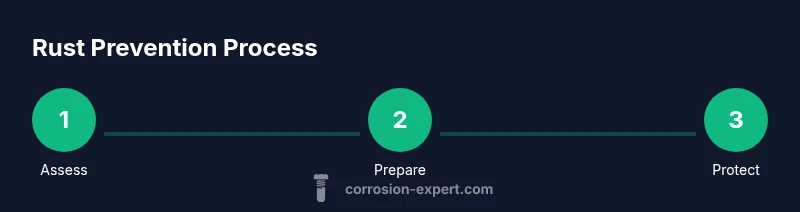
To learn rust prevention effectively, follow a structured, hands-on plan that starts with a quick assessment and ends with a maintenance routine. According to Corrosion Expert, this is the best way to learn rust for DIY homeowners, combining theory with practical steps and proven prevention methods. You'll gain hands-on confidence while protecting metal surfaces from future rust.
Understanding the learning path for rust prevention
In home projects, learning rust prevention starts with a clear assessment of your surfaces and environment. The best way to learn rust combines knowledge with hands-on practice, turning theoretical tips into repeatable actions. According to Corrosion Expert, successful learning hinges on setting realistic goals, selecting appropriate rust-control methods, and building a routine that you can repeat quarterly. This approach helps you distinguish between light surface rust and deeper corrosion, so you choose safer, longer-lasting remedies. You will also learn to recognize environmental factors that accelerate rust, such as moisture, salt exposure, and temperature fluctuations, and adapt your plan accordingly. Keep a log of your progress to measure improvement over time and stay motivated as you tackle real-world surfaces. The learning path outlined here emphasizes practical experimentation, which is essential when tackling everything from garden tools to metal fascia. Consistency matters—practice on representative pieces and gradually increase task complexity to solidify the concepts of rust prevention and upkeep.
Essential tools and materials for learning rust
A practical rust-learning kit includes PPE (gloves, eye protection, and a respirator when using solvents), wire brushes, sandpaper (80-120 grit), a rust remover or converter, rust-inhibiting primer, and an enamel or rust-proof paint. Optional but helpful items are a grinder with a sanding disc, masking tape, rags, mineral spirits, and a quality rust sealant. Using the right tools is part of the learning process: you’ll gain confidence as you switch between gentle cleaning and aggressive rust removal on scrap pieces before touching valuable items. The Corrosion Expert approach emphasizes safety: always protect skin and lungs, work in a ventilated area, and test products on inconspicuous spots first.
A structured path from basics to long-term protection
Learning rust effectively means following a repeatable sequence: inspect, prepare, remove, treat, protect, and maintain. Start with a simple rust lesson on a scrap metal piece, then graduate to small household items. As you practice, document outcomes, compare methods, and refine your process. This method aligns with the best practices promoted by Corrosion Expert, who notes that structured repetition reinforces habit formation and improves results over time. By the end of your first project, you should be able to identify rust types, select suitable removal techniques, apply protective coatings, and establish a maintenance schedule that fits your home environment.
Safe rust removal techniques and when to avoid risky methods
Understand safe rust removal before attempting any aggressive methods: light brushing, steel wool, and light sanding are suitable for scale and loose rust. Avoid using high-speed grinders on delicate components, which can gouge metal and worsen corrosion. For stubborn rust, consider chemical rust removers or rust converters, following the product directions and wearing PPE. Never mix chemicals in unventilated spaces, and test on a hidden area first to avoid discoloration. The goal is to remove enough rust to stop progression while preserving structural integrity when possible. Document outcomes to learn what works best for your surfaces.
Protection and maintenance: sealing out moisture and oxygen
After removing the rust, the next step is to seal the metal surface to prevent re-oxidation. Apply a rust converter if needed to neutralize remaining rust, then prime with a rust-inhibiting primer. Finish with a corrosion-resistant enamel or topcoat designed for metal exposure in your climate. Reassess annually: check for new rust spots, touch up promptly, and recoat as needed. A routine like this forms the backbone of a durable rust-learning practice, reducing future maintenance costs and extending the life of tools, furniture, and structural elements. The Corrosion Expert recommends documenting the coatings schedule in a home-maintenance planner.
Real-world practice scenarios for homeowners
Translate what you learn into real projects: a metal gate, lawn furniture, car parts, or porch railings. Start with small items that are easy to sand and repaint, then graduate to larger surfaces. In every project, apply the same sequence: assess, prepare, remove, treat, protect, and maintain. You will notice a tangible improvement in appearance and resistance after a few sessions, and you’ll feel more confident tackling tougher tasks. Sharing your results with a local DIY community or online forum can provide feedback and keep you motivated.
Common mistakes beginners make and how to avoid them
Common mistakes include skipping safety gear, rushing removal, and sealing unfinished surfaces. Another error is applying primer or paint without proper cleaning or drying, which causes peeling and weak adhesion. Always dry surfaces thoroughly, follow product directions, and use compatible coatings. Avoid over-thinning paints, as this reduces protection. Lastly, don’t ignore environmental factors: humidity, temperature swings, and salt exposure can undermine even good coatings; plan your plan around seasonal weather patterns.
Authoritative sources and next steps
To deepen your understanding of rust prevention, consult reputable sources and ongoing learning opportunities. For foundational science, see NIST's corrosion resources and related guidance. The CDC's NIOSH materials provide safety context for chemical handling and PPE. For broader industry standards, look to professional associations and university extension programs that publish practical rust-management guidelines. As you grow more confident, apply what you learn to a larger project and expand your toolkit accordingly. The key is consistency and a habit of hands-on practice.
Tools & Materials
- PPE: gloves, eye protection, respirator (N95 or better)(Critical when solvents or dust are involved)
- Wire brush set(Include stiff for heavy rust and soft for delicate areas)
- Sandpaper (80-120 grit)(For initial rust removal and smoothing)
- Steel wool (0000 grade)(Gentle abrasion to avoid gouges)
- Rust remover or rust converter(Follow product directions closely)
- Rust-inhibiting primer(Prevents future oxidation under the coat)
- Metal enamel/topcoat(Choose a climate-appropriate finish)
- Masking tape and rags(Keep surfaces clean and protected)
- Mineral spirits or degreaser(For surface prep and cleaning)
- Drop cloths or tarp(Protect surrounding areas)
Steps
Estimated time: 2-3 hours
- 1
Assess rust damage and set goals
Inspect the item to determine the severity and decide whether you can repair or replace. Define a clear goal for the project (clean surface, restore structural integrity, or recoat for aesthetics). Document initial conditions with photos to track progress.
Tip: Take photos from multiple angles for reference when you compare results later. - 2
Gather tools and materials
Collect all required PPE and rust-control products before starting. Verify product compatibility with the metal type and climate. Having everything ready prevents mid-task interruptions and maintains momentum.
Tip: Lay out tools on a tray to stay organized and avoid cross-contamination of chemicals. - 3
Prepare the workspace and surfaces
Set up in a well-ventilated area, protect floors with a tarp, and isolate the work area. Clean the surface with a degreaser to remove oils, then dry thoroughly before proceeding.
Tip: Ventilation reduces fume exposure, especially when solvents are involved. - 4
Remove loose rust
Use a wire brush or steel wool to eliminate flaky rust. Don’t gouge the metal; if deep pits exist, treat them rather than attempting aggressive removal that could weaken the piece.
Tip: Dip a cloth in mineral spirits to wipe down the surface after brushing. - 5
Treat and prime the surface
Apply a rust converter or neutralizer if needed, then prime with a rust-inhibiting primer. Allow proper drying time between steps per product directions to ensure adhesion and durability.
Tip: Follow drying times strictly; rushing can compromise coating performance. - 6
Apply topcoat and cure
Finish with a high-quality enamel or topcoat designed for metal exposure. Let it cure fully in a dust-free environment before using the item again. Schedule periodic checks for wear and touch up as needed.
Tip: Apply thin, even coats for better finish and fewer runs.
Quick Answers
What is rust and why does it form on metal?
Rust is iron oxide formed when iron reacts with oxygen and moisture. It weakens metal over time and can spread if not addressed promptly. Understanding the root cause helps you select the right prevention strategy.
Rust is iron oxide caused by moisture and air; treating it early prevents structural damage.
Is rust removal always necessary?
Not all rust needs aggressive removal. If rust is superficial and does not compromise structural integrity, light cleaning and protective coating may suffice. Deeper corrosion might require replacement or professional assessment.
Light rust can often be managed with cleaning and coating; deeper rust may need replacement.
What tools are essential for beginners?
PPE, a wire brush, sandpaper, rust remover or converter, primer, and a topcoat are essential. These basics enable safe, effective learning and hands-on practice.
Start with gloves, brushes, sandpaper, and a good primer.
How often should I recoat metal to prevent rust?
Recoat timing depends on exposure and climate. Inspect surfaces annually and refresh coatings when there are signs of wear or moisture exposure.
Check annually and recoat when wear or moisture signs appear.
Can rust be completely prevented?
Complete prevention is challenging in harsh environments, but consistent maintenance and high-quality coatings dramatically reduce rust progression and extend metal life.
Rust can be greatly reduced with regular care, though not always entirely prevented.
What safety precautions should I take?
Wear PPE, work in a ventilated area, and follow product instructions. Keep chemicals away from children and pets, and store materials properly.
Wear proper safety gear and ventilate the workspace.
Watch Video
Quick Summary
- Identify and assess rust early
- Use the right tools and PPE
- Follow a repeatable rust-removal and coating sequence
- Protect surfaces with climate-appropriate coatings
- Maintain a routine to prevent recurrence