Can You Clean Rust Off Stainless Steel? A Practical Guide
Learn safe, proven methods to remove rust from stainless steel surfaces and prevent recurrence. Corrosion Expert shares step-by-step techniques, gentle cleaners, and maintenance tips.


Yes—rust on stainless steel can often be cleaned effectively if you use the right methods. According to Corrosion Expert, most rust you see on stainless steel is surface staining or contamination that hasn’t breached the protective chromium oxide layer. With proper cleaning techniques, coatings, and prevention, you can restore shine without damaging the alloy.
Understanding Stainless Steel Rust: Myths and Realities
Stainless steel is designed to resist corrosion, but it is not entirely rust-proof. The most important factor is the chromium oxide layer that forms on the surface, which protects the metal from staining and rust. According to Corrosion Expert, rust on stainless steel often starts as surface staining due to contamination, mineral deposits, or moisture traps. Real rust that has penetrated the chrome oxide layer is rarer but can occur in high-salt environments or after mechanical damage. For DIYers, the key is to differentiate surface rust from deeper corrosion and to act quickly. This section explains how rust forms on stainless steel, how to recognize its stage, and what it means for cleaning strategies. By understanding the mechanism, you can select safe, effective methods that preserve the finish and protect the underlying alloy.
What Causes Stainless Steel Rust and Why It Appears
Stainless steel rust typically arises when the protective chromium oxide layer is compromised or contaminated by iron particles, chlorides, or acids. Corrosion Expert analysis shows that even high grade stainless can rust if it is scratched, if residues are left, or if cleaners contain chloride ions. Common culprits include salt from cooking, acidic cleaners, and standing water that allows metal ions to concentrate. Pitting corrosion can begin at tiny scratches and may not be immediately visible, yet it allows rust to take hold. Understanding the cause helps you tailor cleaning approaches and prevention strategies. In residential settings, the most frequent scenarios involve kitchen sinks, faucets, and outdoor fixtures where dishwasher salts, fertilizer, or coastal air contribute to attack. Proper cleaning requires removing surface contaminants first, then selecting a mild that does not remove chromium oxide, and applying protective steps to minimize future exposure.
Safe Cleaning Approaches: What Works on Stainless
Safe cleaning methods rely on gentle, non abrasive approaches that respect the stainless surface. Start with a microfiber cloth dampened with warm water and a drop of mild dish soap to lift grime. For light rust stains, white vinegar or a baking soda paste can help without scratching. Apply the paste, let sit up to 15 minutes, then scrub with a soft nylon brush and rinse. Citric acid solutions are another option for stubborn spots, and lemon juice can aid mild acidity. Always rinse with clean water and dry promptly to prevent new deposits. The goal is to restore surface shine without removing the protective oxide layer. If you choose commercial cleaners, pick products labeled safe for stainless steel and avoid chlorine bleach.
What to Avoid: Methods That Can Damage Stainless Steel
In the cleaning process, avoid harsh abrasives and metal brushes that can scratch the chromium oxide film. Do not use steel wool, abrasive pads, or scouring powders on brushed finishes; even a light scratch can become a magnet for rust. Do not apply strong acids in undiluted form on delicate seams and joints and avoid bleach or ammonia combos, which can discolor or corrode stainless steel. Also avoid letting standing water or damp cloths sit on the surface for long periods, especially near salt air or coastal environments. Finally, do not rely solely on rust converters designed for steel; they can alter the appearance and reduce corrosion resistance if not compatible with stainless steel.
Step-By-Step Cleaning Plan for Stainless Steel
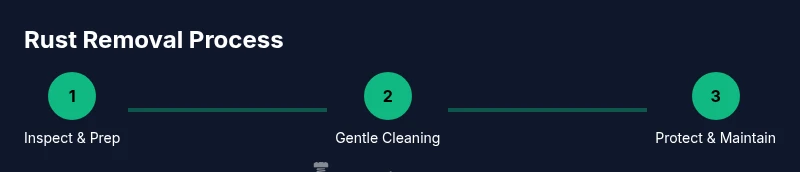
Before you start, identify the area affected and ensure you have the right tools. Gather the materials and set up a clean workspace. Then follow these steps in order to minimize harm to the surface and maximize rust removal. Start by inspecting the area and removing loose debris. Next, apply a mild cleaner to lift grime. For rust spots, use a baking soda paste or white vinegar as a gentle chemical aid. Rinse with clean water and dry completely. If stains persist, repeat with citric acid solution or a safe stainless cleaner. Finally, polish with a microfiber cloth to restore shine and reseal the surface. Remember to test any cleaner on a hidden area first, and never scrub with abrasive tools on brushed finishes.
Maintenance and Prevention After Cleaning
After cleaning, promptly dry the surface to prevent water droplets from leaving mineral deposits. Wipe with a clean microfiber cloth and recheck joints and seams for moisture retention. Consider applying a light protective sealant or polish designed for stainless steel, especially on high-use appliances and outdoor fixtures. Establish a routine cleaning schedule that includes a quick wipe-down after spills, and avoid leaving acidic residues on the metal. For coastal or high-salt environments, increase rinse frequency and ensure proper drainage to minimize chloride exposure. Regular maintenance reduces the likelihood of future rust formation and preserves the appearance and longevity of stainless surfaces.
When Rust Persists: Advanced Options and When to Seek Help
If rust remains after a thorough cleaning, you may be dealing with deeper pitting or corrosion that has breached the protective film. The Corrosion Expert team recommends assessing the severity and consulting a professional if large areas are affected or if the item is valuable or structurally critical. In some cases, professional restoration or passivation treatments may be warranted to restore corrosion resistance. If you see bubbling, flaking, or continued discoloration after cleaning, stop using abrasive tools and seek guidance. Timely intervention can prevent further damage.
Real-World Examples: Home DIY Scenarios
Consider a stainless steel kitchen sink with mineral stains from hard water. A gentle vinegar rinse followed by a baking soda paste scrub often resolves the issue without scratching the surface. A brushed stainless fridge door that has rust spots near the door gasket may respond to a lemon juice treatment and a quick polish with a microfiber cloth. Outdoor stainless railings exposed to coastal air benefit from periodic washing with mild soap and thorough drying, especially after rain or salt spray. Each scenario requires selecting a non abrasive cleaner and testing first on a hidden area to avoid altering the finish.
Tools & Materials
- Microfiber cloth(soft, lint-free; for polishing and wipe-downs)
- Soft nylon brush(non-scratch bristles; use with paste or vinegar solution)
- Mild liquid dish soap(dilute in water for initial cleaning)
- White distilled vinegar(for light rust; dilute if needed)
- Baking soda(make a paste with water for gentle abrasion)
- Water (distilled preferred)(rinsing and dilution; avoid hard minerals)
- Citric acid powder(optional for stubborn spots; can be used to make a paste)
- Non-abrasive scouring pad(optional; avoid on brushed finishes if possible)
- Gloves(protect hands from cleaners and moisture)
- Goggles(eye protection when handling cleaners with splashes)
- Commercial stainless steel cleaner(select labeled safe for stainless steel; test first)
- Dry towel(dry surface thoroughly to prevent deposits)
Steps
Estimated time: 60-90 minutes
- 1
Inspect area and prep workspace
Identify all rust spots and decide if they are surface stains or deeper corrosion. Clear the area, remove items nearby, and lay down a clean towel. This preparation reduces cross contamination and prevents accidental scratching or chemical splash.
Tip: Wear protective gloves and test cleaners on a hidden area first. - 2
Remove loose rust and grime
Gently wipe with a damp microfiber cloth and mild soap to lift surface grime. Use a soft nylon brush to lift any loose rust without scratching the metal.
Tip: Avoid heavy scrubbing; pressure can gouge the surface. - 3
Apply rust-removal method
For light rust, apply a baking soda paste or white vinegar to the spots. Let sit for 5–15 minutes, then gently scrub with the nylon brush and rinse.
Tip: Do not apply undiluted acids directly on seams. - 4
Rinse and dry thoroughly
Rinse the area with clean water to remove residue and dry immediately with a microfiber cloth. Residual moisture can promote new mineral deposits or corrosion.
Tip: Use a dry, lint-free towel and ensure no moisture remains in crevices. - 5
Polish and re-passivate
Polish the surface with a clean microfiber cloth; if your surface finish requires, apply a stainless steel polish or a citric acid rinse to help restore the oxide layer.
Tip: Re-passivation helps recover corrosion resistance after cleaning. - 6
Address stubborn spots
If stains persist, repeat the paste or vinegar treatment or try a commercial stainless cleaner that is labeled safe for your finish.
Tip: Always test again on a small area first. - 7
Assess finishing and protection
Check for shiny, uniform finish and absence of micro-pitting. Consider applying a protective wipe or sealant suitable for stainless steel to reduce future staining.
Tip: Choose products that won’t dull brushed finishes. - 8
Document and monitor
Note the locations and conditions where rust appeared. Establish a regular cleaning routine and monitor moisture exposure, especially in humid areas.
Tip: Set reminders for periodic maintenance. - 9
When to seek help
If rust recurs quickly or expands, seek professional advice for deeper passivation or replacement options. Early intervention saves material and keeps surfaces safe.
Tip: Large or structural items require expert assessment.
Quick Answers
Can stainless steel rust be fully removed?
Most surface rust on stainless steel can be removed with non abrasive methods. Deeper pitting may remain and could require professional restoration.
Most surface rust can be removed with gentle methods; deep pitting may need expert help.
What cleaners are safest for rust on stainless steel?
Safe options include diluted white vinegar, baking soda paste, and citric acid solutions. Avoid chlorine bleach and ammonia-based products.
White vinegar, baking soda paste, and citric acid are safe; avoid bleach or ammonia.
Is lemon juice effective for rust removal?
Lemon juice can aid mild rust removal due to citric acid, but it is less potent than vinegar or baking soda and should be tested first.
Lemon juice can help, but it’s milder than vinegar or baking soda.
Can rust come back after cleaning?
Yes, if moisture, chlorides, or salts remain, rust can reappear. Regular cleaning and moisture control help prevent recurrence.
Rust can come back if the area stays damp or salty; keep surfaces dry.
Should I polish after cleaning?
Polishing helps restore shine and can aid re passivation. Use a polish labeled for stainless steel and buff with a microfiber cloth.
Polishing helps restore shine and protection.
When should I seek professional help?
If rust persists, if you notice deep pitting, or for valuable items, a professional assessment is advised to prevent further damage.
If rust stays or gets worse, get a professional opinion.
Watch Video
Quick Summary
- Inspect rust type before cleaning.
- Use non-abrasive cleaners and gentle methods.
- Test cleaners on hidden areas first.
- Rinse and dry thoroughly after each step.
- Maintain a routine to prevent recurrence.