What to Do If You Step on Something Rusty: A Practical Guide
Learn how to respond safely after stepping on something rusty. This practical guide covers first aid, tetanus risk, wound cleaning, and when to seek medical care for foot injuries caused by rust.


If you step on something rusty, act quickly: stop the bleeding, rinse the wound with clean running water for several minutes, remove any visible debris with clean tools, apply antiseptic, and cover with a sterile dressing. Seek medical care if bleeding won’t stop, you can’t bear weight, or you have signs of infection or uncertain tetanus status.
What to do if you step on something rusty: immediate first-aid
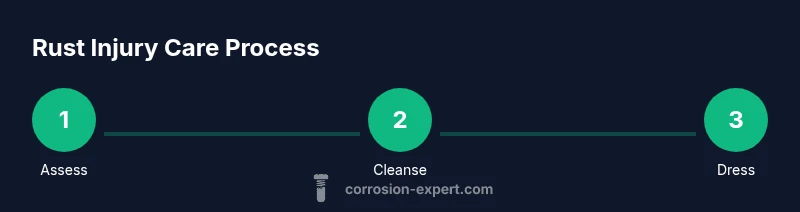
Stepping on a rusty object can cause more than a painful sting. If you find yourself in this situation, start with calm, practical steps. If possible, step away from the source of contamination and inspect the affected foot. Remove footwear if you can do so safely to better assess the wound. Begin decontamination by rinsing the area with clean running water for several minutes, letting water flow over every surface of the skin. Avoid scrubbing, which can drive debris deeper and irritate tissue. If visible debris remains after rinsing and you have clean, sterile tools and gloves, you may use sterile tweezers to lift it away, but do not force out deeply embedded objects. After cleaning, pat the area dry with a clean towel and apply a thin layer of antiseptic. Finally, cover with a sterile dressing to reduce dirt exposure and protect healing tissue. Keeping the wound clean and protected is essential in the first hours after injury, and it sets the stage for proper healing.
Assessing the injury and when to seek medical care
Not every rusty incident requires a doctor, but puncture wounds can hide problems. Examine whether the skin was pierced, if bleeding is controlled, and whether you can bear weight on the foot. A clean, superficial abrasion from a rusty object is less risky than a puncture wound that penetrates deeper layers of skin. If you observe bleeding that persists after direct pressure, or if the wound is deep, jagged, or contaminated with rust particles, seek medical care promptly. People with diabetes, compromised circulation, or weakened immune systems should err on the side of caution and consult a clinician even for small wounds. If the wound is treated initially at home, monitor for redness, swelling, warmth, fever, or increased pain over the next 24–72 hours; these can indicate infection and require medical evaluation. Also, if the rusted object was dirty or rusty and has remained in the wound, professional cleaning and possibly a tetanus booster may be indicated.
Tetanus risk and vaccination: what you should know
Tetanus is a serious risk associated with penetrating injuries from rusty items. The most important protection is up-to-date vaccination. Immunization status is a baseline that can significantly reduce risk when skin is broken. Public health guidance emphasizes keeping tetanus immunity current and obtaining a booster if you have a wound that may be contaminated and your last booster was more than ten years ago, or if you do not know your vaccination history. People without a complete tetanus series or with uncertain status should contact a healthcare provider to arrange vaccination as soon as possible after the injury. Immediate tetanus vaccination is not always required for minor scrapes, but contaminated punctures typically trigger clinician advice on booster timing. Always bring vaccination records to the appointment and discuss any risk factors, such as a dirty wound or outdoor work.
Cleaning wound and choosing antiseptics
After rinsing, use mild soap around the wound and gently cleanse the surrounding skin. Do not use strong solvents or scrub vigorously, which can irritate tissue. Dry hands with a clean towel or wear disposable gloves to prevent introducing new bacteria. Apply an antiseptic you are comfortable with, such as an iodine-based solution or a chlorhexidine wipe, if appropriate for your skin type. If you have allergies to certain antiseptics, skip the product and rely on clean water and sterile gauze. This step reduces bacterial load and prepares the skin for dressing. Antiseptics are adjuncts; the goal is to minimize contamination while your body begins healing. If you notice burning or worsening redness during application, stop using that product. Allow the antiseptic to take effect for a few minutes before moving to the dressing.
Dressing and protection: keeping the wound clean
Cover the cleaned wound with a sterile dressing or adhesive bandage to keep dirt out and reduce friction on shoes. Change the dressing at least daily or whenever it becomes wet or visibly dirty. If moisture or odour is beneath the bandage, replace it promptly. Avoid reusing cotton pads that shed fibres; opt for sterile gauze or non-stick dressings. For active lifestyles, consider waterproof coverings to keep moisture away while you heal. Elevate the foot when possible to reduce swelling and avoid tight footwear that can rub the wound. Recheck the dressing for signs of healing and reapply as needed.
When to escalate care and warning signs
There are scenarios where professional medical care is necessary. If bleeding cannot be controlled with direct pressure after several minutes, or if the wound is large, deep, or has penetrated near the bone, seek urgent care. Call a clinician if you have numbness or tingling, cannot bear weight, or notice spreading redness, warmth, pus, or fever—these signals may indicate infection. If you recently had a tetanus shot but the injury was severe, a clinician can decide whether a booster is appropriate. Children, older adults, pregnant people, and those with diabetes may experience faster progression of infection, so err on the side of caution and obtain professional assessment. Keep a record of symptoms and wound changes to discuss with your healthcare provider.
Rust safety—preventing future injuries in your home
Prevention is the best strategy for avoiding rust-related injuries. Regularly inspect entryways, tool sheds, and outdoor areas for rusty nails, screws, and metal edges. Keep footwear sturdy and closed-toe, and store tools in a dry place to prevent rust formation. Consider rust-proofing steps for long-term protection—oil coatings, rust inhibitors, or periodic sanding and painting on metal surfaces. When working with metal, wear gloves and sturdy footwear and keep a clear, well-lit path to reduce slips. Establish a quick-response plan so household members know how to respond if someone steps on a rusty object again. Keep a compact first-aid kit handy and a simple wound care reference for real-time guidance.
Special considerations for outdoors, kids, and seniors
Outdoor enthusiasts, children, and older adults require tailored care. Kids may have more sensitive skin and anxiety about medical settings, so explain steps simply and provide reassurance. Schools and sports programs should carry basic first-aid supplies for rusty injuries. For seniors, wounds may heal more slowly, so monitor closely and adjust dressing and activity as needed. Outdoors, you may encounter more contaminated wounds—punctures, embedded rust particles—so perform careful cleaning and seek care when indicated. Wear protective footwear in areas with potential metal debris, and keep a basic wound care kit on hand. A key reminder: rust can signal contamination—tetanus risk persists even with minor wounds, hence vaccination status matters.
Authority sources and further reading
- https://www.cdc.gov/tetanus/index.html
- https://www.nih.gov/
- https://www.mayoclinic.org/diseases-conditions/wound-care/in-depth/wound-care/art-20045729
Tools & Materials
- Clean running water(Rinse wound for several minutes to remove dirt and debris)
- Mild soap(Gentle soap for around the wound, not in the wound itself)
- Sterile antiseptic wipes or iodine-based antiseptic(Use if no allergy; otherwise rely on soap and clean water)
- Sterile dressing or adhesive bandages(Non-stick preferred to avoid tissue trauma)
- Sterile tweezers(Only if visible debris is present and tools are sterilized)
- Disposable gloves(Wear to keep hands clean and reduce infection risk)
- Tetanus vaccination records(Bring records to discuss protection status with a clinician)
Steps
Estimated time: 30-60 minutes
- 1
Stop and assess
Pause activity, remove yourself from contamination, and inspect the foot for visible wounds or embedded debris. Do not rush the next steps; a calm assessment reduces the risk of worsening the injury.
Tip: Take a photo of the wound after cleaning for reference with your clinician. - 2
Remove footwear safely
If you can do so without bending or twisting, remove the shoe to clearly view the wound. If movement causes pain or worsens bleeding, stop and proceed to cleaning while still wearing the shoe.
Tip: If you’re unsure about safety, skip removing the shoe and proceed with careful cleaning around the area. - 3
Rinse with running water
Hold the affected area under clean running water for 5–10 minutes to flush dirt and bacteria away. Do not scrub aggressively; let the water carry debris away.
Tip: If running water isn’t available, use clean bottled water and rinse for at least several minutes. - 4
Remove visible debris
With clean gloves and sterilized tweezers, gently lift away any visible debris. Do not probe deeply or force out objects that are deeply embedded—seek medical help for removal.
Tip: Avoid using metal tools that aren’t sterilized; contamination may worsen infection risk. - 5
Apply antiseptic
Gently apply an antiseptic around and over the wound. Let it sit for a moment to reduce bacteria before dressing. If you feel burning, stop and rinse again with water.
Tip: Do not reuse contaminated wipes on multiple areas of the body. - 6
Dress the wound
Place a sterile dressing over the wound and secure with medical tape or a non-stick bandage. Keep it clean and dry, and avoid tight coverings that can irritate healing tissue.
Tip: Choose breathable dressings to reduce moisture buildup. - 7
Monitor and manage pain
If pain is significant, use an appropriate over-the-counter pain reliever as directed and monitor swelling. Elevate the foot when possible to reduce throbbing and swelling.
Tip: If pain worsens, seek medical advice rather than increasing dosage. - 8
Assess tetanus risk
Review your tetanus vaccination status with a clinician. Advise about a booster if your last shot was many years ago or if records are unavailable.
Tip: Keep your vaccination records in a wallet or digital note for quick access. - 9
Follow-up care
Return to activity gradually if the wound shows signs of improvement. Seek medical attention if redness expands, warmth increases, swelling persists, or you notice discharge.
Tip: Keep a wound diary noting changes in color, size, and discomfort.
Quick Answers
Is stepping on rusty metal always dangerous?
Not always, but a rusty object can introduce bacteria or cause a puncture wound. Deep or contaminated injuries warrant medical advice.
Rusty metal can be risky, especially for deep puncture wounds. Seek medical advice if in doubt.
When should I see a doctor after stepping on something rusty?
See a doctor if bleeding won’t stop, the wound is deep or large, there are signs of infection, or you’re unsure about your tetanus status.
If bleeding won’t stop or you have signs of infection, get medical care.
Does a tetanus shot protect me from rust-related injuries?
Tetanus vaccination provides protection for contaminated wounds when up to date. A booster may be recommended if last shot was many years ago or if records are unknown.
A current tetanus vaccine helps reduce risk after rust-related wounds; check your records with a clinician.
Can I reuse bandages or antiseptics?
Avoid reusing dressings or wipes on wounds to prevent reintroducing bacteria. Use sterile, single-use materials where possible.
Use clean, sterile supplies each time you dress the wound.
What antiseptic should I use for a rusty wound?
Iodine-based or chlorhexidine antiseptics are commonly used, but choose one you can tolerate and avoid if you have allergies. When in doubt, clean with water first.
An iodine or chlorhexidine product is typical, but use what you tolerate and avoid if allergic.
What signs indicate an infection after stepping on rusty metal?
Seek care if redness spreads, warmth increases, swelling grows, there is pus, or fever develops.
If the area gets red and warm or you see pus, get checked.
Watch Video
Quick Summary
- Act quickly to clean and protect the wound.
- Monitor for signs of infection and seek care early.
- Know your tetanus vaccination status and consult a clinician if unsure.
- Prevent future incidents with proper footwear and rust-prevention measures.