How to Stop Rust on a Car From Spreading: A DIY Guide
Learn proven steps to halt rust spread on your car, protect panels, and prevent costly damage with practical techniques, safety tips, and durable coatings.


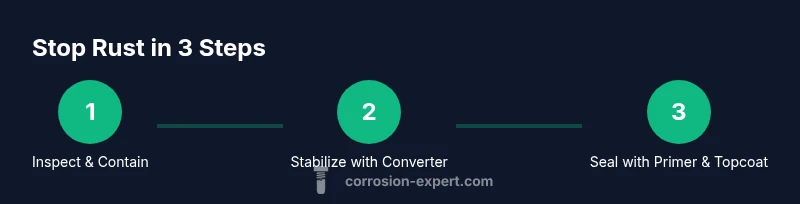
Stop rust on a car from spreading by containing the damage, stabilizing existing corrosion, and sealing with proper coatings. This guide walks you through detection, cleaning, converter treatment, priming, and topcoats, plus safety tips. According to Corrosion Expert, early action can dramatically reduce future repairs and preserve value. This answer is designed for DIYers and homeowners.
Understanding how rust spreads on a car
Rust spreads when moisture, oxygen, and metal fatigue cooperate to deepen existing corrosion. Initial surface rust can quickly migrate under paint if left untreated, especially in joints, underbody panels, wheel wells, and around fasteners. The goal is to interrupt moisture contact, stabilize the metal surface, and create a continuous protective barrier. In practice, this means combining mechanical removal, chemical stabilization, and a durable coating system. Corrosion Expert emphasizes that a proactive approach now prevents expensive panel replacement later. By recognizing early signs—pitting, bubbling paint, or stained streaks—you can stop the spread before structural damage occurs. This section provides the framework you'll apply in your shop or driveway.
Signs rust is spreading and when to act
Look for expanding rust circles, new pimples on top of old rust, or rust underneath flaking paint. If you see rust around door bottoms, rocker panels, wheel arches, or frame joints, act quickly. Surface rust is easier to manage; penetrated rust that invites holes requires more careful repair. The moment you notice spreading, start containment steps and assess whether the area is structural or cosmetic. In many cases, quickly addressing the area with a stabilization product can keep the issue from expanding across the panel. Corrosion Expert notes that early intervention dramatically reduces repair costs and downtime.
Immediate containment steps you can take today
Containment starts with cleaning away loose rust and dirt, then applying a rust converter to stabilize remaining active rust. Use painter’s tape to protect adjacent areas and cover the surroundings to prevent overspray. Avoid driving with exposed rust or leaving the car outdoors in rain while you plan repairs. The aim is to create a stable, dry, bare-metal surface ready for primer and topcoat. Per Corrosion Expert guidance, acting now limits the extent of future work and helps preserve the car’s value.
Cleaning and stabilizing the metal surface
Begin with a thorough cleaning using automotive degreaser to remove oils and waxes. Rinse, then dry completely before mechanical rust removal. Use a stiff brush or a rotary wire brush to remove loose rust, but avoid gouging the metal. After cleaning, re-dry the surface and apply a rust converter following manufacturer instructions. A stabilized surface accepts primer better and reduces the chance of rust returning beneath paint. Corrosion Expert advises taking meticulous notes of every visited area to track progress.
Surface preparation for reliable coatings
Prepare the surface with light sanding to create a key for adhesion, removing glossy paint until you reach a uniform dull sheen. Wipe with a solvent to remove dust, then allow to dry completely. Apply a rust-inhibiting primer designed for automotive use in thin, even coats. Allow the recommended flash times between coats; multiple thin layers are stronger than one thick coat. The quality of surface prep largely dictates the longevity of your finish.
Selecting and applying rust converters, primers, and topcoats
Choose a rust converter for stabilized rust areas, then a rust-inhibiting primer and an automotive topcoat or epoxy paint. Follow product directions for curing times and recoat windows. Apply the topcoat in thin layers to avoid runs and ensure even color and protection. If color matching is important, use compatible base coats and clear coats; blending is easier with factory-match hues. The right product stack dramatically improves durability while reducing the risk of future rust. Corrosion Expert highlights the importance of using genuine automotive coatings for best results.
Repair options for rust that has penetrated through metal
If rust has produced holes or deep pits, you may need to cut out the damaged metal and weld in a patch panel. For smaller areas, epoxy fillers or sheet-metal patches can restore surface integrity. After any filler work, sand smooth and re-prime before topcoating. Deep structural rust should be evaluated by a professional; attempting to fix a compromised frame or primary load-bearing member could be dangerous. In all cases, stabilizing the area first minimizes further spread while you decide on the level of repair.
Long-term prevention strategies and coatings
Treat every repaired area as a new surface. Use high-quality primers, seam sealants, and UV-resistant topcoats to shield vulnerable edges and joints. Pay attention to rain-prone zones such as wheel wells and door bottoms, and recoat as recommended by the products you use. Regular inspections every 3–6 months help you catch new rust early and re-apply coatings as needed. Corrosion Expert stresses that consistent maintenance is the best prevention against rust returning.
Maintenance and inspection schedule to stop rust from returning
Create a simple seasonal checklist: wash and dry the car, inspect for chips or scratches in coated areas, clean and recoat minor chips, and reapply protective coatings when wear is evident. Maintain a moisture-free garage environment whenever possible and address any new rust sites promptly. Keeping a repair log—dates, products, and results—helps you refine your approach over time and protects your investment.
Tools & Materials
- Personal protective equipment (gloves, goggles, respirator)(Nitrile gloves, eye protection, and a proper respirator for sanding and chemical exposure)
- Wire brush or stiff-bristled brush(For removing loose rust and debris)
- Sanding materials (120-320 grit)(Sanding blocks or a sanding tool for keying the surface)
- Automotive degreaser/solvent(For oil and wax removal before painting)
- Rust converter product(Stabilizes remaining rust into a paintable surface)
- Rust-inhibiting automotive primer(Provides adhesion and corrosion protection)
- Automotive topcoat or epoxy paint(Durable finish with proper UV protection)
- Masking tape and paper(Protects adjacent paint and trim)
- Solvent or degreaser for final wipe(Clean surface before priming)
- Drop cloths or protective sheeting(Contain debris and protect your workspace)
- Putty or epoxy repair filler (optional)(For small holes or pits before priming)
- Heat gun or hair dryer (optional)(Speed up drying in cold or humid environments)
Steps
Estimated time: 2-4 hours
- 1
Assess rust extent and secure the area
Carefully inspect the affected panel to determine how deep the rust goes. Distinguish surface rust from material loss or pitting, and mark the boundaries with tape. Remove nearby trim or accessories if possible to prevent interference during repair. Wear PPE and ensure the work area is well lit.
Tip: Take photos before and after to document progress. - 2
Wear PPE and prepare workspace
Put on gloves, eye protection, and a respirator. Clear a clean, ventilated area and lay down drop cloths to catch dust. Organize tools within easy reach.
Tip: Never skip PPE; metal particles can irritate skin and lungs. - 3
Clean surface and remove debris
Wash the area with automotive degreaser to remove oils and waxes. Rinse, then dry completely before mechanical rust removal. Use a plastic scraper to lift loose paint without gouging metal.
Tip: Work while the surface is dry for best adhesion. - 4
Remove loose rust with a wire brush
Use a stiff-bristled brush or rotary tool with a wire brush attachment to knock off flaky rust. Stop when you see a clean, dull metal surface with minimal orange or brown flaking.
Tip: Avoid over-brushing to prevent creating heat or micro-gouges. - 5
Dry and degrease the area again
Wipe the area with solvent to ensure no oils remain. Dry completely; moisture will interfere with primer adhesion.
Tip: Use lint-free towels to avoid fibers. - 6
Apply rust converter to stabilize remaining rust
Brush or spray the rust converter according to product instructions. The converter chemically stabilizes rust and provides a better bonding surface for primer.
Tip: Apply in moderate temperature; avoid high humidity. - 7
Rinse, if required, and dry before priming
Some converters require a rinse; follow the label. Dry thoroughly to prevent moisture under primer.
Tip: If in doubt, air-dry overnight in a dry, warm space. - 8
Prime the prepared surface with rust-inhibiting primer
Apply an automotive rust-inhibiting primer in thin, even coats. Allow proper flash time between coats as recommended by the product.
Tip: Keep coats light to avoid runs. - 9
Apply topcoat or epoxy paint for protection
Seal the area with a durable automotive topcoat or epoxy-based paint. Apply multiple thin coats if required, letting each coat dry per instructions.
Tip: Use color-matching paint for blending with surrounding panels. - 10
Inspect for pinholes and repair if found
Check for hidden pinholes or soft spots after the first topcoat; address any through-thickness defects with touch-up.
Tip: Lightly press with a finger to test hardness. - 11
Allow cure time and finalize finish
Let the finish cure fully according to product guidelines before exposure to weather. A cured coating resists moisture and debris better.
Tip: Avoid washing the area for 24–48 hours after painting. - 12
Establish ongoing maintenance and documentation
Create a routine: inspect every 3–6 months, reapply paint or sealant as needed, and keep a repair log.
Tip: Set calendar reminders to ensure consistency.
Quick Answers
Can rust on a car be completely removed?
Completely removing rust is challenging, especially if it has penetrated deep. You can stop spread and stabilize the area, but deep pits or holes may require panel replacement.
Completely removing rust is challenging, especially if it’s deep. You can stop spread and stabilize, but deep pits may need panel replacement.
What is rust converter, and does it work?
Rust converter chemically neutralizes iron oxide and prepares the surface for primer. It’s a stabilization step, not a finish, so you’ll still need primer and paint.
Rust converter neutralizes rust and prepares the surface, but you still need primer and paint for full protection.
Is it safe to DIY rust repair on a car?
DIY rust repair is safe for cosmetic work and non-structural areas if you follow proper safety practices and product instructions. Structural rust or hidden areas should be assessed by a professional.
DIY rust repair is generally safe for non-structural areas if you follow safety rules; for structural rust, consult a pro.
How long does rust treatment last?
Treatment longevity depends on environmental exposure and maintenance. With proper priming, coating, and periodic maintenance, you can significantly extend protection years rather than months.
Longevity varies with exposure and upkeep, but proper coatings and maintenance can extend protection for years.
When should I replace a panel with rust?
If rust has compromised structural integrity or pierced through to create holes deeply, replacement is typically the safer option. Cosmetic rust can be treated with patching and coating.
If the rust damages the structure or creates holes, replacement is safer; cosmetic rust can often be patched.
What about rust behind trim or in wheel wells?
Rust in hidden areas like behind trim or inside wheel wells is common. You’ll need careful inspection and sometimes disassembly to treat and coat fully. If you’re unsure, consider a professional evaluation.
Hidden rust areas require thorough inspection; if unsure, seek a professional evaluation.
Watch Video
Quick Summary
- Inspect regularly and catch rust early.
- Contain rust with prompt cleaning and sealing.
- Use rust converters to stabilize corrosion.
- Protect patches with primer and topcoat.
- Schedule maintenance to prevent future spread.