Spray Rust Oleum: A DIY Guide to Rust-Proof Coatings
Learn how to safely and effectively use spray rust oleum to stop rust, prep metal surfaces, apply primers and topcoats, and seal for lasting protection.


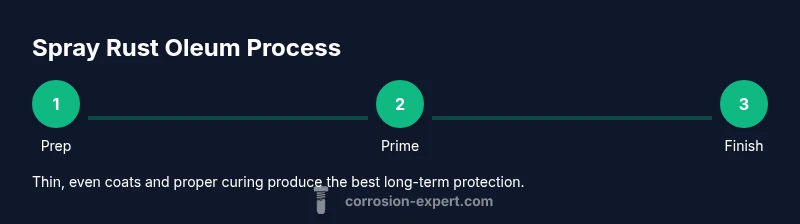
You’ll learn how to prep, apply, and seal surfaces with spray rust oleum to protect metal from rust. This quick guide covers surface prep, selecting the right primer and topcoat, safety, and finishing techniques for durable results. Follow steps for proper ventilation, steady coats, and full curing to maximize longevity.
Understanding spray rust oleum: how it fights rust and why prep matters
Spray rust oleum products are designed to create a protective barrier on metal surfaces, slowing oxygen exposure and inhibiting rust formation. The chemistry hinges on a rust-inhibiting primer and a durable enamel or resin finish that adheres to prepared metal. According to Corrosion Expert, the real value comes from thorough surface preparation and controlled application rather than simply spraying on a coat. When you start with clean metal, remove loose rust, and abrade the surface for tooth, the coating has a better grip and longer life.
Surface prep: cleaning, rust removal, and sanding
Begin by cleaning the metal surface to remove oil, grease, and dirt. Scrub with a degreasing cleaner or mineral spirits, then rinse and dry completely. Remove loose rust with a wire brush or steel wool, and lightly sand the area to create a roughness that the coating can bite into. If you’re working on heavily corroded parts, consider a rust converter as a supplementary step before priming. Proper prep reduces peeling and ensures even color after spraying.
Choosing the right spray rust oleum product and color
Select a rust-inhibiting primer appropriate for metal, followed by a high-quality enamel or satin finish designed for outdoor or interior use depending on location. Not all rust oleum products are the same: some are formulated for corrosion resistance, others for decorative color. Match the product to your environment: outdoor metal in humid climates benefits from a rust-inhibiting primer and UV-resistant topcoat. Always check the can for recommended surfaces and recoat times.
Priming and applying: technique for even coverage
Apply a light, tack-free primer coat and let it dry per label instructions. Shake the can vigorously for 1-2 minutes before starting; test spray on cardboard to gauge spray pattern. Hold the can 8-12 inches from the surface and spray in smooth, sweeping motions, overlapping slightly. Apply multiple thin coats rather than a single heavy coat to prevent runs and ensure uniform color. Between coats, observe the recommended dry time to avoid trapping solvents.
Finishing: topcoats, seals, and decorative options
Once the primer is fully dry, apply the color coats in thin layers, again with even, overlapping strokes. For high-traffic or outdoor metal, seal with a clear topcoat to boost abrasion resistance and UV stability. If you want a matte or satin look, choose a finish that complements adjacent surfaces. Allow adequate cure time after the final coat before handling or exposure to weather. In some cases, a second topcoat can extend longevity.
Safety and ventilation when using spray paints
Always spray outdoors or in a well-ventilated area with good airflow. Wear an appropriate respirator or mask, chemical goggles, and gloves. Keep heat sources away from the work area and use drop cloths to protect surrounding surfaces. Read the can’s safety data sheet for specific chemical information and disposal guidance. If you’re sensitive to odors or solvents, take extra precautions and pause if symptoms arise.
Maintenance and re-coating for longevity
Inspect the coating regularly for chips or peeling. Lightly scuff the surface before applying a new coat to improve adhesion. Recoat after sufficient dry time if you notice wear in high-traffic zones or outdoor exposure accelerates aging. Store remaining cans upright, away from heat, and use within the shelf life printed on the label. Proper maintenance can significantly extend the life of your spray rust oleum finish.
Common mistakes and troubleshooting
Common errors include applying too thick a coat, painting in hot direct sun, or skipping surface prep. These often cause runs, patchy color, or premature peeling. If color looks off, lightly sand the area and recoat with two thin layers. For stubborn rust or pitting, use a rust converter or mechanical removal before continuing with primer and paint. Patience between coats yields a smoother, more durable surface.
Real-world projects: from railings to furniture and tools
Inside garages and workshops, spray rust oleum can revitalize metal components such as railings, lamps, and tool handles. Use a small nozzle extension for tight corners and a larger spray for flat surfaces. For outdoor furniture or fences, select UV-resistant finishes to minimize sun damage. Always test on a hidden spot first to confirm color and adhesion before committing to the entire project.
Tools & Materials
- Degreaser or cleaner(To remove oil and grime before prep)
- Wire brush or steel wool(Initial rust removal; follow with sanding)
- Sandpaper or sanding block (grit 80-120)(Create surface tooth for adhesion)
- Masking tape and drop cloths(Protect surrounding areas)
- Rust-inhibiting primer for metal(Base coat to prevent future rust)
- Spray rust oleum product (color of choice)(Follow can instructions for surface type)
- Clear topcoat or sealer(UV and abrasion protection)
- N95 respirator or proper respirator(For solvent and spray mist protection)
- Safety gloves and goggles(Eye and skin protection)
- Ventilation aid (outdoor space or fan)(Not a standalone item; ensure airflow)
Steps
Estimated time: Active work: 3-6 hours; total project time including cure: 24-48 hours
- 1
Prepare the workspace
Set up outdoors or in a well-ventilated area. Lay down drop cloths, gather PPE, and inspect the item for loose parts. This reduces cleanup later and keeps you safe.
Tip: Work in mild weather to prevent solvent evaporation from affecting coat thickness. - 2
Remove loose rust
Use a wire brush to scrub away loose rust, scale, and flaking paint. Wipe with a clean cloth to remove dust.
Tip: Wipe in a consistent direction to gauge progress and prevent gouging the surface. - 3
Clean and degrease
Apply degreaser, scrub thoroughly, then rinse and dry completely. Any oil residue will hinder adhesion and create finish defects.
Tip: Drying speed matters; use a heat gun on a low setting only if necessary and safe. - 4
Abrade for adhesion
Lightly sand to create a mechanical profile that paint can grip. Wipe away dust with a tack cloth.
Tip: Avoid over-sanding; you want tooth, not grooves. - 5
Mask and protect
Mask surrounding areas and apply drop cloths. Ensure no overspray can reach other surfaces.
Tip: Angle the spray can slightly away from masked edges to minimize bleed-under. - 6
Prime with rust-inhibitor
Coat evenly with a rust-inhibiting primer. Allow sufficient dry time per label before handling.
Tip: Apply in thin coats to avoid runs; dry between coats is critical. - 7
Apply color coats
Spray multiple thin coats, overlapping slightly. Avoid puddling and maintain a consistent distance.
Tip: Keep a steady pace; stop and re-check for sags or dust nibs after each coat. - 8
Seal and cure
Finish with a clear topcoat if needed. Let the coating cure fully according to the can’s guidance before use.
Tip: Cure times vary with humidity; avoid heavy handling during cure. - 9
Assess and maintain
Inspect after curing and recoat any worn areas. Regular maintenance extends the coating’s life.
Tip: Record dates for future touch-ups to keep the finish intact.
Quick Answers
Is spray rust oleum suitable for outdoor metal projects?
Yes, many sprays are designed for exterior use, but choose a rust-inhibiting primer and a UV-resistant topcoat for outdoor durability. Follow the product’s label for climate-specific guidance.
Yes, it works outdoors, but pick a rust-inhibiting primer and UV-resistant topcoat and always follow the label directions.
How long does curing take after the final coat?
Cure times vary by product and conditions, but plan around 24 to 48 hours for full hardening in typical indoor spaces; outdoor environments may extend this window.
Cure usually takes about a day or two depending on conditions; follow the can’s guidance.
Can I apply spray rust oleum over existing paint?
It can work if the existing paint is sound and lightly abraded to create adhesion. If peeling or cracking, remove failing paint first and re-prime.
Yes, if the old paint is stable; otherwise strip and prime for proper adhesion.
Do I really need primer with rust oleum coatings?
Primer improves adhesion and rust protection, especially on bare metal or previously rusted surfaces. Skipping primer can shorten the coating’s life and lead to peeling.
Primer helps adhesion and protection on bare metal; skipping it risks peeling.
Is it safe to use indoors?
Most rust oleum products are formulated to minimize strong odors, but adequate ventilation is still essential. Use outdoors or in a well-ventilated area and wear PPE.
Ventilate well; wear PPE and avoid lingering fumes indoors.
What if I see runs or sags after spraying?
Wipe gently if still wet; otherwise allow to dry and lightly sand before recoating. Apply thin coats to prevent repeat issues.
If it’s wet, wipe carefully; if dry, sand lightly and recoat with thin layers.
Watch Video
Quick Summary
- Prepare surfaces thoroughly before painting
- Thin, even coats yield better results
- Ventilation and PPE are essential
- Follow cure times for best durability
- Use a topcoat for UV and abrasion protection