Rust Out of Carpet: Safe Removal Guide
Learn how to remove rust from carpet safely using pantry remedies and carpet-safe cleaners. This at-home guide covers blotting, treatment options, drying, and prevention to protect fibers and prevent future rust stains.


Rust out of carpet can be removed effectively at home using blotting, carpet-safe cleaners, and gentle solvents like baking soda paste or lemon juice. Start by blotting, test on a hidden area, then apply a stain remover. Air-dry completely to avoid setting any residual stain.
Understanding why rust stains appear on carpet
Rust out of carpet is a common problem when iron-containing moisture, metal furniture, or dragged-in debris contact carpet fibers. The iron oxidizes, leaving reddish-brown deposits that can penetrate the pile if moisture remains. In this guide, we’ll treat rust out of carpet with fiber-aware methods that protect delicate dyes while lifting the mineral crust. The goal is to remove the stain without weakening the carpet fibers or causing color migration, so you can restore the carpet’s original appearance and continue to enjoy a safe, clean living space. The Corrosion Expert team emphasizes patience and thorough drying, as rushed treatments can drive stains deeper or spread rust deposits to neighboring fibers. Regular maintenance and moisture control reduce future rust out of carpet incidents and keep your floors looking fresh.
Understanding why rust stains appear on carpet
Rust stains on carpet arise when iron-rich moisture interacts with textile fibers. This is common near entrances, in basements, or where metal furniture sits on carpet. The rust molecules bind to fibers and can look worse after exposure to heat or sunlight, which speeds dye migration. The keyword rust out of carpet isn’t just about removal—it signals a need for proper stain response and moisture management. For DIYers, recognizing rust chemistry helps choose safe, effective products and avoid solutions that may bleach or discolor the carpet. Corrosion Expert Analysis, 2026, shows that prompt blotting and using carpet-safe cleaners consistently yields better outcomes than aggressive scrubbing with household acids.
Understanding why rust stains appear on carpet
Assessing the damage and choosing a method
Before you launch into treatment, identify the carpet fiber type (nylon, polyester, olefin, wool) and colorfastness. Delicate fibers require gentler approaches and lower-risk cleaners. Test any solution on an inconspicuous area by applying a small amount and waiting 5–10 minutes. If there’s any color transfer, stop and switch to a milder option or call a professional. Carpet dye stability matters: darker colors tolerate acid cleaners better than pale tones. For stubborn rust out of carpet, consider combining blotting with a rust-targeted remover labeled safe for carpet. The goal is to neutralize the iron without damaging the dye or pile. If rust is extensive or has penetrated padding, you may need a professional restoration service.
Assessing the damage and choosing a method
Tools & Materials
- Absorbent powder (baking soda or talc)(Sprinkle to lift moisture and soak up stain moisture.)
- White vinegar or lemon juice(Acidic cleaners help loosen mineral bonds; use sparingly.)
- Carpet-safe stain remover (non-bleach)(Follow label instructions for compatibility with carpet fibers.)
- Water spray bottle(Mist lightly to rinse and dilute cleaners.)
- Clean white cloths or paper towels(Blot—avoid rubbing to prevent fiber damage.)
- Spray bottle with distilled water(Use for gentle rinsing; avoid mineral deposits.)
- Gloves and ventilation(Protect skin and ensure air movement when using cleaners.)
- Vacuum cleaner with a gentle settings(Clean final residue after drying.)
- Tile or plastic drop cloth(Place under stain area to protect flooring.)
Steps
Estimated time: 60-90 minutes
- 1
Blot the stain
Place a clean white cloth over the rust stain and press gently to lift moisture without pressing the liquid deeper into the fiber. Repeat with fresh cloths until no color transfers.
Tip: Work from the outside edges toward the center to avoid spreading rust. - 2
Test colorfastness
Apply a small amount of cleaner on an inconspicuous area and wait 5–10 minutes. Check for dye bleeding or fabric damage before proceeding.
Tip: If color transfers, discontinue the product and try a milder option. - 3
Apply baking soda paste
Mix baking soda with a little water to form a paste, apply to the stain, and let sit for 15–20 minutes to absorb iron pigments.
Tip: Avoid loose powders on dark fibers; keep the paste concentrated on the stained area. - 4
Use a vinegar or lemon treatment
Dampen a cloth with white vinegar or lemon juice and gently blot the area. This helps dissolve mineral residues without harsh chemicals.
Tip: Do not soak; this step is for light, controlled application. - 5
Rinse and blot dry
Rinse lightly with distilled water and blot with a clean towel until no cleaner residue remains. Repeat if the stain persists.
Tip: Ensure the area is not wetted heavily, which can cause fiber swelling. - 6
Apply a carpet-safe remover
If needed, apply a carpet-safe rust remover following the product instructions and blot until the color lifts.
Tip: Always test first and avoid chlorine bleach on colored carpets. - 7
Dry thoroughly
Use natural air-drying or a hair dryer on a cool setting to speed up drying. Do not apply heat until the stain is fully removed.
Tip: Keep the room ventilated to prevent musty odors. - 8
Vacuum and inspect
Once dry, vacuum the area to lift any set residue and inspect for any remaining discoloration.
Tip: If residual staining remains, repeat the mild treatment rather than pushing stronger cleaners.
Quick Answers
What causes rust stains on carpet?
Rust stains occur when iron from water, metal objects, or debris oxidizes and binds to carpet fibers. Removing them quickly with color-safe methods minimizes fiber damage and dye loss.
Rust stains come from iron reacting with carpet fibers. Quick, safe cleaning helps preserve color and texture.
Can I use hydrogen peroxide on carpet rust?
Hydrogen peroxide can bleach some fabrics and colors. It may help pale rust on white or light carpets but test first and avoid dark dyes.
Hydrogen peroxide can bleach fibers; test first and use cautiously on light carpets.
Is lemon juice effective for rust on carpet?
Lemon juice provides mild acidity that can help dissolve rust minerals. Use sparingly and always rinse well to prevent yellowing on light fibers.
Lemon juice can help, but rinse thoroughly to avoid yellowing on light carpets.
How long does rust stain removal take?
Most rust removal steps take 30–90 minutes, plus drying time. Complex stains or deep rust may require a second treatment after 24 hours.
Most rust removal takes under two hours, with possible follow-up treatments if needed.
When should I call a professional?
If the rust covers a large area, the carpet is delicate, or staining has penetrated padding, a professional restoration service is recommended to prevent fiber damage.
Consider calling a professional for large areas or delicate carpets.
Watch Video
Quick Summary
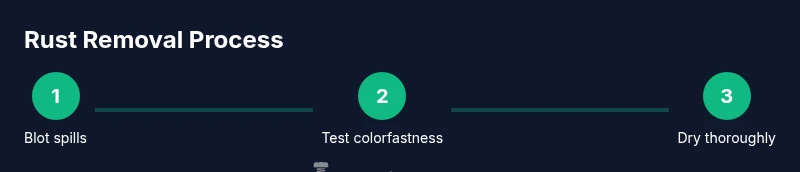
- Blot spills promptly to prevent set-in rust.
- Test colorfastness before applying cleaners.
- Use carpet-safe products to protect fibers.
- Dry thoroughly to prevent re-staining.
- Prevent future rust with protective measures.