Rust Around Sink Drain: Quick Fixes, Prevention, and Safety
Get fast, practical steps to stop rust around the sink drain, remove surface corrosion, and prevent future damage with safe DIY methods and guidance on when to call a pro.


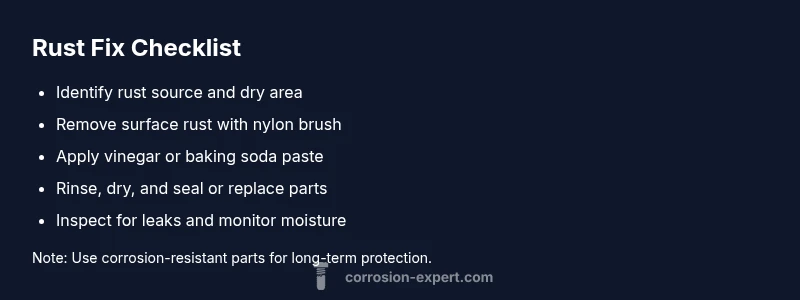
Rust around sink drain is usually caused by persistent moisture and corrosion of metal components in or around the drain. Quick fixes: dry the area completely, gently scrub loose rust with a nylon brush, apply a rust remover or a vinegar–baking soda paste, rinse, and dry thoroughly. If staining persists or piping shows corrosion, upgrade hardware and seal to prevent future leaks.
Why rust forms around sink drain
Rust around sink drain happens when moisture sits on metal parts like the drain hardware, screws, or clamps long enough to start oxidizing. Water hardness, acidic cleaners, and mineral deposits can accelerate staining that looks like rust. Even if your sink is stainless, the drain assembly often includes brass or galvanized components that can corrode over time. Small leaks or drips keep a damp environment that invites rust to spread. By understanding these factors, you can target the right spot: the drain strainer, the metal flange, or the piping behind the cabinet. Regularly inspecting under the sink helps catch early corrosion before it bites deeper into metal.
- Look for moisture patches, brown-orange stains, or flaking metal.
- Note if rust appears around the drain flange, screws, or the connection to the P-trap.
- Check for hidden leaks behind cabinetry that keep metal wet for longer than expected.
DIY rust removal: quick, safe approaches
Starting with surface rust is the easiest fix. Dry the area thoroughly with a cloth, then scrub with a nylon brush to lift loose rust. For light rust, apply white vinegar or a baking soda paste and let it sit for 5–10 minutes before scrubbing again. Rinse, dry completely, and apply a thin layer of sealant or protector to slow future corrosion. Avoid metal brushes or steel wool on stainless components, as they can scratch the surface and trap moisture.
If rust persists, consider a rust-removal product labeled for bathroom fixtures. Always test on a small, inconspicuous area first and ventilate the space well. Never mix cleaners—particularly bleach with ammonia—as this can create hazardous fumes around the sink area.
Chemical options: vinegar, baking soda, and rust removers
Vinegar and baking soda are gentle, beginner-friendly options. A vinegar soak can help dissolve mineral deposits and light rust buildup on metal surfaces. A paste made from baking soda and water can tackle stubborn spots when left to sit briefly. For heavier rust, select a rust remover designed for metal bathroom fixtures, following the product’s safety instructions. Read labels to confirm compatibility with your sink material and drain hardware. Always rinse thoroughly and dry after treatment to prevent flash re-oxidation.
Safety note: keep cleaners away from your skin and eyes, work in a well-ventilated area, and avoid mixing products. If you have cast iron or galvanized components, rust removal may reveal deeper damage that requires replacement.
Mechanical removal and scrubbing tips
Sometimes physical scrubbing does the trick when rust is just surface-level. Use a soft nylon brush or a non-abrasive sponge to avoid scratching any metal or enamel. A plastic scraper can lift stubborn flakes without gouging the metal. After scrubbing, wipe dry and inspect for pitting or staining that won’t come off with cleaning alone. If you notice deep pitting or flaking metal, it’s a sign the component should be replaced to prevent leaks.
Pro tip: always dry completely between steps and consider applying a rust-inhibiting sealant on vulnerable joints to slow recurrence.
Rust prevention around sink drain
Prevention is easier than remediation. Keep the cabinet dry—wipe up splashes and fix leaks promptly. Replace worn gaskets, o-rings, and seals that can harbor moisture. Consider replacing questionable drain hardware with corrosion-resistant options (or stainless steel), and apply a moisture barrier sealant around the edge where the sink meets the countertop. Regularly inspect for corrosion signs and act quickly if you spot rust starting to form.
In humid bathrooms or kitchens, a small dehumidifier or fan can dramatically reduce moisture in the cabinet area, protecting plumbing connections and metal parts.
Safety considerations and when to call a pro
If you see active leaks, bulging pipes, or significant corrosion behind the wall, it’s time to call a licensed plumber. Electrical outlets and water supply lines near the sink present additional risks if corroded or damaged. When using chemical rust removers, follow all safety guidelines, wear gloves, and ensure good ventilation. Do not attempt major drain or pipe replacements without proper plumbing training. A professional can assess hidden corrosion that DIY methods can’t reach and prevent costly water damage.
Maintenance checklist and monitoring
Create a simple routine to monitor rust risk:
- Inspect the drain assembly monthly for signs of corrosion or leaks.
- Dry the area after use and fix drips immediately.
- Replace rusty hardware early and seal joints with appropriate sealant.
- Use non-abrasive cleaners designed for bathroom metal fixtures.
- Consider a moisture control solution in the cabinet if humidity is high.
Keeping a short, frequent checklist reduces the chance of rust spreading and avoids surprise leaks.
Steps
Estimated time: 60-90 minutes
- 1
Prepare and safety-check
Clear the area under the sink, turn off any nearby water supply valves, and lay down a towel to catch spills. Put on gloves and eye protection before handling rusty parts.
Tip: Ventilate the space to avoid fumes from cleaners. - 2
Dry and inspect the area
Wipe the area dry to assess the extent of rust. Check the drain flange, screws, and P-trap for corrosion and loosen any parts if safe to do so.
Tip: Look for leaks around the drain connections. - 3
Surface rust removal
Use a nylon brush to scrub away loose rust. Apply white vinegar or a baking soda paste to stubborn spots; let sit briefly, then scrub again.
Tip: Avoid metal brushes that can scratch stainless surfaces. - 4
Rinse and dry
Rinse with clean water and dry thoroughly to prevent re-oxidation. Inspect for remaining rust and decide if replacement is needed.
Tip: Drying completely is critical to prevent quick recurrence. - 5
Seal and protect
If the area looks sound, apply a moisture barrier or rust-inhibiting sealant around joints to slow future corrosion.
Tip: Choose products compatible with metal drain components. - 6
Restore or replace hardware
If rust is extensive, replace rusty screws, clamps, or the drain assembly with corrosion-resistant parts.
Tip: Use stainless steel or brass components rated for bathroom use.
Diagnosis: Visible rust around sink drain
Possible Causes
- highPersistent moisture exposure around drain hardware
- mediumCorroded drain components (brass/galvanized parts)
- lowHidden leaks behind cabinet walls
Fixes
- easyDry the area thoroughly and inspect the drain flange, screws, and clamp for rust; scrub surface rust with a nylon brush
- easyApply vinegar or baking soda paste to affected areas, then rinse and dry completely
- mediumReplace severely corroded drain hardware and apply fresh sealant around joints
- mediumInspect plumbing behind cabinet for leaks and address any hidden moisture source
Quick Answers
Is rust around sink drain dangerous?
Rust around the sink drain is usually cosmetic but can indicate moisture and corrosion that may lead to leaks if left untreated. If metal components pit or leak, replace them and inspect for hidden moisture behind the cabinet.
Rust around the sink drain is usually cosmetic, but persistent corrosion can lead to leaks; replace corroded parts and check behind the cabinet for moisture.
Can I remove rust completely?
Light surface rust can often be removed with brushes and household cleaners, followed by sealing. Deeper rust or pitting may require replacing the affected parts to ensure a leak-free drain.
Light rust can often be cleaned away, but deeper rust may require part replacement to ensure a leak-free drain.
Should I use bleach or harsh chemicals near metal?
Harsh chemicals can damage metal and seals and should be avoided near the drain area. Use gentler cleaners or labeled rust removers and always ventilate the space.
Avoid harsh chemicals near metal drains; opt for gentler cleaners and ensure good ventilation.
When should I replace drain hardware?
Replace hardware if you notice deep pitting, flaking, leaking, or if rust keeps returning after cleaning. Upgrading to corrosion-resistant parts provides better long-term protection.
Replace rusty hardware if rust keeps coming back or there's visible pitting or leaks.
Can rust indicate a hidden leak?
Yes. A persistent rust spot may hide a slow leak behind the wall or cabinet. Inspect behind the cabinet and check for moisture or staining on walls or floor.
Rust can signal a hidden leak; check behind the cabinet for moisture.
What maintenance prevents rust best?
Keep the area dry, seal joints, and replace aging hardware with corrosion-resistant parts. Regular inspections help catch early signs of rust and leaks.
Keep it dry, seal joints, and inspect regularly to prevent rust.
Watch Video
Quick Summary
- Identify moisture sources and fix leaks quickly.
- Start with surface rust removal before heavy replacements.
- Use non-abrasive tools to avoid scratching metal surfaces.
- Replace heavily corroded parts to prevent leaks.