Remove Rust from a Car: A Practical DIY Guide
Learn practical, step-by-step methods to remove rust from a car, assess damage, and protect repairs with primer and paint. DIY rust removal tips from Corrosion Expert.


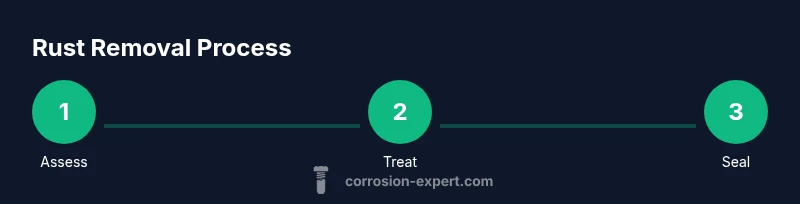
To remove rust from a car, start with a careful assessment of rust severity, then follow a step-by-step process: remove surface rust mechanically, use rust converter on exposed metal, apply primer and paint, and finish with a protective sealant. Work in a ventilated area, wear PPE, and allow proper drying times between coats to prevent re-rust.
Why rust forms on a car and why you should remove rust from a car
Rust begins when moisture and oxygen meet exposed metal, especially where paint has chipped away or around seams and fasteners. In a car, road salt, humidity, and heat accelerate the process, turning small defects into larger pits over time. Removing rust from a car early is crucial to maintain structural integrity and preserve value. According to Corrosion Expert, rust often starts as tiny spots that spread if left untreated, so a planned approach pays off. The best results come from identifying the extent of corrosion, selecting appropriate tools, and applying protective coatings to seal out moisture. In practice, this means you must separate rust removal into distinct phases: inspection, treatment, and protection. By following a disciplined workflow, DIYers can achieve professional-looking results without costly repairs. Keep in mind that some rust, especially at welds or structural members, may require professional assessment, but most surface rust and light to moderate rust can be managed successfully with common tools and careful technique.
Assessing rust severity on your vehicle
The first step is to assess how far corrosion has progressed, because the chosen method depends on the grade of rust. Surface rust sits on top of the paint and zinc layer, usually removable with sanding and brushing. Scale under the coating can indicate deeper penetration that weakens metal. Pitting, perforation, or rust around structural components is a red flag that demands caution and potentially repair by a professional. When you assess rust, look for signs of rust through the primer, flaking paint, or dark, rough areas that indicate rust beneath the surface. The goal is to determine whether you are dealing with cosmetic rust or structural corrosion that could compromise frame integrity. Always document the affected areas with photos and map out a plan for restoration, including the parts to be treated, the expected drying times, and the protective layers you will apply after removal.
Surface rust vs. deep rust: signs and risks
Surface rust forms thin layers of iron oxide on top of the metal and is generally the easiest to treat. If caught early, you can remove it with mechanical methods and re-apply protective coatings. Deeper rust has penetrated past the paint and reached the metal, often creating scale and roughness that reveal thinning metal or pitting. Deep rust may require more aggressive techniques, including careful sanding, filler for minor pits, or even panel replacement. The risk with deep rust is structural: if rust breaches the integrity of body panels or frame rails, it can reduce crash safety and value. Always approach deeper rust with caution and consider a professional assessment if you notice holes, soft spots, or rust around mounting points.
Preparing your workspace and safety measures
Begin by choosing a well-ventilated area, ideally with outside airflow and sufficient lighting. Gather PPE: safety glasses, nitrile gloves, and a respirator or mask rated for dust and chemical fumes. Remove or cover nearby parts that you do not want damaged by dust or solvents, and disconnect the battery if you will be working on wired components. Clean the area around the rust to minimize dirt and debris that can interfere with the treatment. If you plan to grind, operate tools at a slow speed to reduce heat and prevent smoke from burning coatings. Finally, lay down a drop cloth or painter's plastic to catch debris and protect the work surface.
Mechanical rust removal methods: sanding, brushing, and grinding
Begin with a hand or flexible wire brush to remove loose rust and scale from the surface. Progress through grits from coarse to fine: start with 80-120 grit to remove heavy rust, then move to 180-240 grit for a smoother finish. For larger areas, an orbital sander or angle grinder with a non-clogging disc can speed up the job, but keep tool pressure light to avoid gouging the metal. Clean the area frequently to inspect progress and prevent new rust spots from forming. If you encounter stubborn rust, switch to a more abrasive tool or apply light passes with a grinding wheel, being careful not to overheat the metal and warp the surface. After mechanical removal, wipe the surface with a degreaser and prepare for the chemical step.
Chemical approaches: rust converters and rust removers
Use rust remover chemicals only on dry, clean metal; follow the product directions and safety warnings. Surface rust can often be treated with specialty rust removers that dissolve oxide layers without deep scraping. For areas where rust has begun to penetrate, a rust converter can be applied; it reacts with the remaining iron oxide to form a stable, black protective layer and leaves a surface ready for priming. Do not apply converters to already painted areas where you want to preserve color; test on a small area first to ensure compatibility with your paint system. Allow adequate cure time before primer, and keep the treated area away from moisture until the coating is ready to apply. When using chemical products, work in a ventilated space and wear protective gear.
Priming, painting, and sealing to protect the metal
Priming is essential after rust removal and treatment to seal the surface and provide a good base for paint. Use an automotive primer that is compatible with the base color and the topcoat you plan to apply. After primer dries, apply several light coats of base coat, followed by a clear coat if desired. Sand lightly between coats with 400-600 grit paper to improve adhesion, then finish with a protective sealant or wax after the final cure. Pay special attention to door edges, corners, and weld seams, where moisture can accumulate and start rust again. The right combination of primer, paint, and sealant can dramatically extend the life of repaired panels and maintain the vehicle’s appearance.
Maintenance and prevention: keeping rust at bay
Implement a maintenance plan that includes regular washing, especially undercarriage and wheel wells, to remove salt and grime. Apply rust-preventive coatings or underbody seals on exposed metal areas and re-apply as recommended by product instructions. Inspect critical areas at least twice a year and after major weather events or road salt exposure. Seal any new chips or scratches promptly to prevent moisture entry. A proactive approach, combined with good habits, lowers the chance of rust returning and keeps your car looking and performing well for years.\n\n## Authority Sources\n- OSHA. https://www.osha.gov\n- NIST. https://www.nist.gov\n- EPA. https://www.epa.gov
Tools & Materials
- PPE: Safety glasses or goggles(Eye protection; wear when grinding/sanding and handling chemicals)
- Nitrile gloves(Protect hands from solvents and rust particles)
- Dust mask or respirator with organic vapor cartridges(Protect lungs from dust and fumes)
- Hearing protection(Optional for loud grinding operations)
- Wire brushes (hand and drill attachments)(For aggressive rust removal)
- Sanding blocks and discs (80-320 grit)(Progressive grits for rust removal and finishing)
- Orbital sander or angle grinder(Choose variable speed and use with caution)
- Rust converter product(Follow manufacturer instructions)
- Automotive primer (etching/non-etching as appropriate)(Choose compatible with topcoat)
- Automotive basecoat paint and clear coat(Match color and finish; check manufacturer guidelines)
- Painter's tape and masking film(Protect areas not being treated)
- Degreaser or appropriate solvent(Clean metal before treatment)
- Rags and clean towels(For degreasing and cleanup)
- Drop cloth or plastic sheeting(Keep work area clean and prevent spills)
Steps
Estimated time: 3-6 hours
- 1
Inspect rust and plan the work
Begin with a careful visual inspection of all suspect areas and map the rusted zones. Photograph spots to track progress and document severity. Decide whether you will repair only cosmetic rust or tackle structural areas as well, and outline the sequence of steps and materials you will use.
Tip: Keep a notebook for notes and mark zones with masking tape before starting. - 2
Protect surroundings and prep the vehicle
Cover adjacent panels and trim with painter’s tape or plastic to prevent overspray. If you’re working in a garage, ensure good ventilation and remove the battery if you’ll touch electrical components nearby. Wipe down the area with a degreaser to remove oils and dirt that can interfere with adhesion.
Tip: Secure the car on a level surface and use wheel chocks for safety. - 3
Remove surface rust mechanically
Use a wire brush and progressively finer sandpaper to lift rust from the surface. Start with 80-120 grit to remove heavy rust, then move to 180-240 grit to smooth the area. Frequently wipe the surface to inspect progress and prevent new rust from forming.
Tip: Keep the tool moving and avoid staying in one spot to prevent gouging. - 4
Apply rust converter on affected areas
If some rust remains after mechanical removal, apply a rust converter according to the product directions. The converter chemically neutralizes rust and forms a stable layer that’s ready for priming. Allow the converter to cure fully before proceeding to primer.
Tip: Test the converter on a small area first to ensure compatibility with your paint system. - 5
Prime and paint for durable protection
Apply an automotive primer and let it dry completely. Lightly sand between coats for better adhesion, then apply multiple thin coats of base color, finishing with a clear topcoat if desired. Let each layer cure according to the manufacturer’s instructions before exposing to moisture.
Tip: Use back-and-forth sweeping motions and avoid heavy coats that can run. - 6
Cure, inspect, and maintain
After the topcoat cures, inspect the repaired area for uniform color and gloss. Clean and re-wax or seal to maximize durability. Create a long-term maintenance plan that includes regular washing and periodic checks for chips or bubbling.
Tip: Schedule a follow-up inspection after seasonal changes or road-salt exposure.
Quick Answers
What is the best rust remover for cars?
Choose rust removers that are safe for automotive finishes. These products dissolve oxide layers but may require subsequent primer and paint. Always follow label directions and test on a small area first.
For best results, use automotive-safe rust removers and follow the product directions; test on a small area before applying broadly.
Can you drive a car with rust?
Small cosmetic rust patches typically don’t affect drivability, but rust near structural components, joints, or the frame can compromise safety. If structural rust is present, avoid driving and seek professional help.
Small cosmetic rust is usually okay to drive, but rust in critical structural parts means you should stop using the vehicle and consult a pro.
Do I need a rust converter?
Rust converters are useful on areas where rust has started to penetrate but not completely removeable by mechanical means. They convert rust to a stable layer and prepare the surface for priming, but they do not replace the need for paint.
Rust converters can help where rust is spreading, but you still need paint to protect the surface long term.
How long does rust removal take?
Time varies with rust extent. Light surface rust can be completed in a few hours, while deeper corrosion may take longer and potentially require panel work. Plan for a multi-hour session and a drying window between coatings.
It depends on how bad the rust is; light rust can be done in a few hours, deeper issues may take longer.
What safety gear is essential?
Essential PPE includes safety glasses, nitrile gloves, and a respirator or dust mask. Work in a ventilated area and follow chemical product instructions to minimize exposure.
Wear safety glasses, gloves, and a respirator; ensure good ventilation and follow product safety instructions.
How can I prevent rust after repair?
Preventive steps include sealing repaired areas with primer and topcoat, applying underbody coatings, regular washing, and promptly sealing chips or scratches to stop moisture ingress.
Seal and protect repaired areas with primer and paint, and keep the undercarriage clean to prevent new rust.
Watch Video
Quick Summary
- Assess rust severity before starting.
- Differentiate surface rust from structural rust to choose the right method.
- Apply mechanical removal first, then chemical treatment as needed.
- Prime and paint to seal and protect repaired areas.
- Maintain a preventive routine to keep rust from returning.