How to Get Rust Off a Bike Chain: A DIY Guide
Learn proven, DIY-friendly methods to remove rust from a bike chain, lubricate properly, and prevent future corrosion with practical, safe techniques.


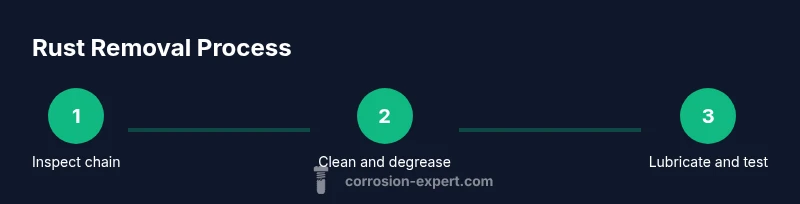
In this guide, you will learn how to safely remove rust from a bike chain, restore smooth shifting, and prevent future corrosion. You'll need basic degreaser, a brush, and a few common tools. Follow the step-by-step process to clean, polish, and re-lubricate your chain for optimal drivetrain performance. This method works on most bikes, including alloy and steel chains. According to Corrosion Expert, regular maintenance greatly reduces rust buildup over time.
Why rust forms on bike chains
Rust forms when moisture, oxygen, and electrolytes meet iron in metal chains, starting a corrosion process that weakens metal over time. Bike chains are especially prone because they spend time outdoors, ride through rain, splash mud, and store in damp areas. This guide explains how to get rust off a bike chain effectively and why it happens. According to Corrosion Expert, early attention reduces long-term damage and keeps your drivetrain running smoothly. Understanding the science helps you choose the right tools and cleaners, and it sets the stage for practical, safe cleaning steps that preserve chain strength and shifting performance.
Key takeaway: rust is a chemical process that benefits from prompt, controlled cleaning and regular lubrication to slow its return.
Assessing the chain condition
Before you touch a rusty chain, inspect its condition carefully. Look for stiff links, flaking or pitted metal, and excessive stretch. If rust has invaded the inner plates or pins and you notice performance issues like slipping or noisy shifts, the chain may be too far gone and should be replaced rather than cleaned. Corrosion Expert's approach emphasizes linking rust assessment to future maintenance decisions, so you spend less time fighting a worn part and more time riding.
- Check for stiff links and visible rust on outer plates.
- Look for rust that penetrates into the pins or rollers.
- Compare chain wear with a ruler or wear gauge if available.
If you’re unsure, err on the side of replacement to avoid drivetrain failure on the road.
Safety and prep before cleaning
Safety first. Wear gloves to protect your skin from cleaners and rust flakes, and use eye protection in case of splashes. Work in a well-ventilated area away from heat sources and open flames. Secure the bike so it won’t tip during maintenance, ideally lifting the rear wheel off the ground or placing the bike on a stand. This prep reduces mess and prevents accidents when you apply degreasers and oils.
- Ventilated workspace helps dissipate fumes from degreasers.
- Use a stable stand or prop the bike securely.
- Read cleaner labels for safety guidance and disposal instructions.
Pro tip: have a trash bag or bucket nearby for rust flakes and dirty rags to keep your area clean.
Step 1: Soak the chain in degreaser
Remove or loosen the chain only if necessary, then place it in a shallow container filled with bike-safe degreaser. Allow the chain to soak for 5–15 minutes to loosen oil, grime, and light rust. The soaking step makes mechanical scrubbing easier and reduces the risk of bending or damaging links. After soaking, move to scrubbing.
- Use enough degreaser to cover all links.
- Check the degreaser label for recommended soaking times.
- Avoid metal contact with nonmetal parts to prevent scratches.
Tip: if you don’t have a dedicated degreaser, a mild bike soap solution can work for light contamination.
Step 2: Scrub rust spots with a stiff brush
After soaking, scrub the chain with a stiff-bristled brush or an old toothbrush, focusing on rusted areas. Work along the links to dislodge rust flakes without forcing the pins out of place. For stubborn spots, apply a little extra degreaser and scrub more firmly. Brushing helps restore the chain’s surface, making the rust removal more effective.
- Scrub in a consistent, parallel motion along the chain.
- Avoid aggressive prying that could bend or shear links.
- If rust remains, re-soak briefly and repeat.
Pro tip: a brass or nylon brush is gentler on aluminum chains than steel brushes.
Step 3: Apply penetrating oil to stubborn spots
If rust remains stubborn after brushing, apply a penetrating oil to the affected joints and let it sit for a few minutes. This helps loosen corrosion at the pins and rollers. After the oil has penetrated, re-scrub the area with the brush, then wipe away excess oil with a clean rag. This step improves rust removal and reduces the risk of logo stains or sludge on your drivetrain.
- Use sparingly; excessive oil can attract dirt.
- Let it sit according to the product’s instructions.
- Re-scrub to maximize rust release.
Note: avoid using high-heat or harsh solvents near tires and brake components.
Step 4: Rinse, dry, and lubricate
Rinse the chain thoroughly with clean water or a wipe-down to remove all remnants of degreaser and rust residue. Dry the chain completely to prevent new rust formation. Once dry, apply bike-specific lubricant to each link, pedaling by hand to distribute it evenly. Wipe off excess lubricant to prevent drips on gears and tires.
- Ensure no water remains on the chain before lubrication.
- Apply lubricant sparingly and evenly across the chain.
- Wipe away excess to avoid attracting dust.
Tip: choose a lubricant appropriate for your climate; wet lube for wet conditions, dry lube for dry, dusty rides.
Reinstalling and test after cleaning
If you removed the chain, reinstall it with careful alignment of pins and links. Ensure the chain moves freely across the gears without binding. Shift through all gears to verify smooth operation. If stiffness returns, you may need to repeat cleaning or consider replacing the chain if wear is evident.
- Check the chain’s movement across full range of gears.
- Verify there’s no binding at the derailleur pulleys.
- Ensure the master link is secure if you used it.
Pro tip: after reassembly, take a short test ride to confirm that shifting is quiet and precise.
Prevention and routine maintenance
Preventing rust is easier than removing it. Establish a basic maintenance routine: clean and lubricate the chain every 1–2 weeks of riding in wet climates, and after rides in rain or through mud. Wipe the chain dry after cleaning and store your bike in a dry place. Regular inspection helps you catch rust early before it spreads to plates and pins. Corrosion Expert recommends pairing consistent lubrication with periodic chain wear checks to extend life and keep you riding smoothly.
- Clean promptly after exposure to water or road salt.
- Lubricate with bike-specific oil according to your riding conditions.
- Inspect for rust, wear, and chain stretch during routine maintenance.
Final note: prevention reduces future rust and keeps your drivetrain performing optimally.
When to replace the chain
Rust is a natural byproduct of exposure, but when rust compromises the chain’s strength and flexibility, replacement is the safest option. Check for stiff links, excessive elongation, or rust that cannot be scrubbed away. Replacing the chain early prevents worn sprockets and poor shifting. If you’re unsure, consult a professional or refer to a chain wear gauge to determine replacement timing. The Corrosion Expert guidance emphasizes proactive replacement to maintain safety and performance.
Tools & Materials
- Bike-chain degreaser (or mild dish-detergent)(Choose a degreaser safe for bike components and easy to rinse off)
- Stiff-bristled brush or old toothbrush(For scrub action on links and rollers)
- Brass or nylon brush(Gentler on aluminum and avoids scratching)
- Small container or bucket(For soaking and rinsing the chain)
- Penetrating oil or rust penetrant(Optional for stubborn spots; use sparingly)
- Rags or microfiber towels(Drying and wiping excess cleaner or oil)
- Bike-specific chain lubricant(Re-lubricate after cleaning; choose wet/dry per climate)
- Gloves and safety glasses(Protect skin and eyes from cleaners and rust particles)
- Chain tool or master-link tool(Needed if you remove the chain or split a master link)
- Chain wear gauge (optional)(Assess chain wear when deciding replacement)
Steps
Estimated time: 60-75 minutes
- 1
Prepare and safety check
Set up your workspace, put on gloves and safety glasses, and secure the bike. If you will remove the chain, shift to the smallest gear to make removal easier. Ensure you have all tools at hand before you begin to avoid interruptions.
Tip: Protective gear first: this prevents injury from sharp rust flakes and cleaner splashes. - 2
Remove the chain (if needed) and secure it
If your chain has a master link, open it with the master-link tool or pliers. If you don’t have a master link, use a chain tool to disconnect one link carefully. Keep track of removed components so you can reassemble properly after cleaning.
Tip: Label or lay out parts in order to simplify reassembly. - 3
Soak the chain in degreaser
Place the chain in a container with degreaser, ensuring all links are submerged. Let it soak for 5–15 minutes to loosen grime and light rust. This step makes subsequent scrubbing easier and reduces the risk of bending links.
Tip: If your degreaser is concentrated, dilute it as recommended by the product directions. - 4
Scrub rust spots with a brush
Remove loosened rust by scrubbing along each link with a stiff brush or old toothbrush. Focus on joints and rollers where rust hides. Reapply degreaser if needed and continue until the surface looks clean.
Tip: Use a brass/nylon brush for aluminum chains to avoid scratching. - 5
Rinse, dry, and lubricate
Rinse the chain thoroughly with clean water to remove cleaner residue. Dry completely, then apply a thin, even coat of bicycle lubricant to all links. Wipe away excess to prevent attracting dirt.
Tip: Let the chain dry completely before lubrication to maximize performance. - 6
Reinstall and test
Reattach the chain to the bike, ensuring correct alignment with gears. Pedal by hand to check for smooth movement, then take a short test ride to confirm shifting is clean and quiet.
Tip: If shifting remains rough, repeat cleaning or replace the chain if wear is evident. - 7
Maintenance for prevention
Set a simple schedule: wipe, degrease, and lubricate after wet rides or mud exposure. Store the bike in a dry place and inspect the chain for rust signs regularly.
Tip: Consistency beats intensity; short, frequent maintenance beats long, infrequent sessions.
Quick Answers
Can I use household vinegar to clean rust off a bike chain?
Vinegar can loosen rust but may leave residues that attract dirt. If used, rinse thoroughly and dry completely before lubrication. Prefer bike-specific degreasers for reliable results.
Vinegar can work occasionally, but it may leave residues; rinse well and re-lubricate after cleaning.
Is it safe to ride with a rusty chain?
Riding with a rusty chain is not recommended. Rust can indicate structural wear that increases the risk of chain failure, especially under load. Replace the chain if you notice stiffness, elongation, or heavy rusting.
No. A rusty chain can fail suddenly; it’s safer to replace if you notice wear.
How can I tell if my chain needs replacement?
Use a chain wear gauge or measure elongation with a ruler. If the chain has stretched beyond manufacturer limits, replacement is advised to protect the sprockets and maintain shifting quality.
A wear gauge will tell you when it’s time to replace the chain and protect the gears.
Should I remove the chain for cleaning?
Removing the chain simplifies cleaning, especially if it’s heavily rusted. If you don’t remove it, you can still clean it while it’s on the bike, but you’ll need to maneuver carefully to reach all links.
You can clean it on the bike, but removing it makes rust access easier.
What safety gear should I wear when cleaning?
Wear gloves and eye protection to guard against cleaner splashes and rust flakes. Work in a ventilated area and follow cleaner labels for safe handling and disposal.
Gloves and goggles protect you from splashes and sharp rust.
How often should I clean and lubricate my chain?
Clean and lubricate after wet rides or exposure to mud and salt. A regular schedule—every few rides in humid conditions—keeps rust at bay and extends chain life.
Clean and lube regularly, especially after wet rides, to prevent rust buildup.
Watch Video
Quick Summary
- Inspect chain surface and wear before cleaning
- Use safe degreasers and proper brushes
- Dry thoroughly and lubricate after cleaning
- Prevent rust with regular maintenance and timely replacement