How to Get Rid of Rust Stain on Tiles: A DIY Guide
A practical, step-by-step guide to removing rust stains from tile surfaces and grout, with safe household methods, testing tips, and prevention strategies for homes.


Goal: Remove rust stains from tile surfaces using safe, kitchen-friendly methods that won't damage glaze or grout. You'll learn common causes, how to test cleaners safely, and a practical, step-by-step approach you can apply to ceramic, porcelain, and even grout lines. This guide emphasizes accessible solutions and when to escalate to stronger agents. By the end, you'll have a clean, refreshed tile surface.
Introduction
If you’re dealing with rust stains on tile surfaces, you’re not alone. Rust marks can appear from mineral-rich water, iron in pipes, or metal hardware that contacts the surface. Knowing how to get rid of rust stain on tiles is essential to restore the tile’s brightness and prevent grout darkening. This guide from Corrosion Expert walks you through safe, accessible methods that protect tile glaze and grout while removing the stain. You’ll learn why rust forms on tile surfaces, how to choose the right cleaners, and a step-by-step approach you can trust. The goal is to keep your bathroom or kitchen looking fresh without resorting to harsh chemistry or abrasive tools. With careful testing and patience, most rust stains respond to gentle household remedies, especially on ceramic and porcelain tiles. Throughout this article, we reference Corrosion Expert insights to help DIY enthusiasts work confidently and effectively on tile projects.
In addition, this guide emphasizes safety, practical testing, and gradual escalation. If you’re asking how to get rid of rust stain on tiles, start with mild cleaners and non-abrasive tools before moving to stronger formulas. This approach reduces the risk of scratching glaze or loosening grout while delivering dependable results. By following the steps outlined here, homeowners can recover a tile surface’s original brightness while maintaining the integrity of surrounding grout lines.
What causes rust stains on tiles
Rust stains on tiles typically originate from iron dissolved in water or from metal items that come into contact with the tile surface. When iron particles oxidize, they leave reddish-brown marks that cling to glaze and grout. In bathrooms, rusty shower heads, taps, and pipes can continually release tiny iron particles, especially when water is hard or contains high mineral content. Kitchens may experience rust stains from corroded cookware, metal fixtures, or dishwasher components that rub against tile surfaces. It’s important to distinguish rust stains from mineral deposits or soap scum, as the cleaning approach differs. In many cases, rust stains are surface-based, sitting on the glaze and grout, which makes them amenable to gentle cleaning methods. Understanding the stain’s origin helps you choose the right cleaner and avoid unnecessary aggression that could damage the tile.
For tile maintenance, consistently addressing standing water and cleaning residues reduces the chance of rust staining in the future. The Corrosion Expert analysis notes that addressing moisture exposure and using non-acid cleaners on glazed tiles can prevent deeper penetration of iron compounds into the grout. If you spot rust stains early, you’ll have more reliable results with minimal effort and less risk to the surrounding grout.
Safe cleaning methods for tile rust stains
To remove rust stains on tiles without harming the glaze or grout, start with milder, kitchen-safe cleaners. White vinegar or lemon juice can be effective on light stains, while baking soda paste provides gentle abrasion for stubborn spots. Always test cleaners on a hidden area first and work in small, controlled increments to avoid overexposure. Corrosion Expert analysis shows that simple household remedies often work for mild rust stains when applied promptly and with care. For more stubborn stains, consider a gentler rust remover designed for ceramic and porcelain surfaces, following the manufacturer’s instructions. In all cases, protect nearby grout and adjacent surfaces with a damp cloth or painter’s tape to prevent runoff. After cleaning, rinse thoroughly with clean water and dry with a microfiber cloth to prevent water spots. This section outlines several safe approaches you can mix and match depending on stain severity and tile type.
Common home remedies include:
- White vinegar: apply undiluted or diluted 1:1 with water, wait a few minutes, then wipe.
- Lemon juice: similarly used as a natural acid for milder stains.
- Baking soda paste: mix with water to a paste, apply, and gently scrub with a nylon brush.
When to use commercial rust removers: opt for products labeled safe for ceramic or porcelain tile and grout. Do not use strong acids on natural stone or damaged grout. Always read the label and test on a small area first. Remember that proactive maintenance and proper ventilation help keep tiles in top condition. This approach aligns with practical, accessible guidance for DIYers learning how to get rid of rust stain on tiles.
When to avoid acidic cleaners
Acidic cleaners can remove rust, but they also pose risks to tile glazing and grout if overused or used improperly. Do not apply strong acids to unsealed grout, cracked tiles, or natural stone surfaces such as marble or limestone, where etching can occur. Even on ceramic or porcelain tiles, repeated exposure to acids—especially concentrated formulations—can dull the glaze over time and weaken grout joints. If you’re cleaning a tiled area with sensitive grout or cracked tiles, switch to milder options like baking soda paste or a diluted vinegar solution and limit contact time. In casings where you see staining around metal fixtures, consider installing a water filter or similar treatment to reduce mineral content in future washings. Safety first: wear gloves and ventilate the area when using cleaners, and never mix acids with bleach or ammonia. By understanding when to avoid acidic cleaners, you’ll preserve your tile surfaces while still achieving a clean, stain-free appearance.
Step-by-step overview for removing rust stains on tiles
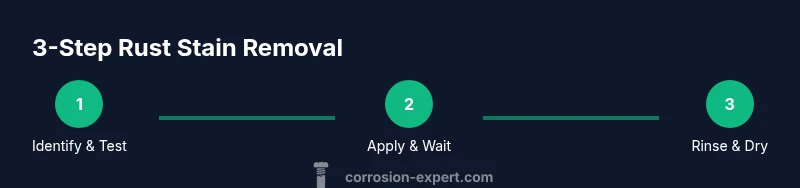
This overview provides the practical flow you’ll follow in the formal STEP-BY-STEP block. You’ll start by identifying the stain and gathering materials, then test a cleaner on a hidden tile, apply the cleaner, allow it to work, scrub gently, rinse, and evaluate the results. If the stain remains, you’ll escalate to a gentle baking soda paste or a tile-safe rust remover, repeating tests as needed. The goal is to remove the rust without damaging glaze or grout and to keep the area dry to prevent future staining. The quick, repeatable process supports DIY enthusiasts seeking a reliable, repeatable method for how to get rid of rust stain on tiles. Remember: patience and testing are your best allies.
Outline of the approach:
- Prep and test
- Apply and wait
- Scrub and rinse
- Inspect and repeat if needed
- Dry and monitor
- Prevent future staining with moisture control and routine cleaning
Prevention strategies to keep tiles rust-free
Prevention is the best cure when it comes to rust stains on tiles, because once iron deposits etch into grout, removal becomes more challenging. The focus should be on reducing moisture, minimizing iron exposure, and maintaining a clean, dry surface. Here are practical prevention strategies you can implement:
- Fix leaks promptly and install a filter to reduce mineral content in household water.
- Wipe down tiled surfaces after use, especially in bathrooms, to prevent prolonged moisture exposure.
- Clean regularly with pH-neutral cleaners that do not corrode grout or glaze.
- Inspect metal fixtures and pipes for corrosion and replace rusty components as needed.
- Seal grout and glazed tile surfaces after cleaning to minimize future staining.
Following these steps helps maintain tile aesthetics and minimizes the need for aggressive cleaning later. The Corrosion Expert team recommends integrating moisture control into routine cleaning to reduce rust formation over time and to extend tile life.
Authority sources and further reading
To support safe cleaning practices and tile maintenance, consult established authorities and educational resources. While rust stains on tiles are a common DIY issue, professional guidance can help you select appropriate cleaners and techniques for specific tile types. Consider reviewing the following sources for broader context and safety considerations:
- OSHA: Chemical safety and safe cleaning practices for household environments. https://www.osha.gov/
- EPA: Cleaning agents and consumer safety guidelines. https://www.epa.gov/
- ACS Publications: Chemical insights and safety data for rust-related chemistry. https://pubs.acs.org/
These sources provide general safety guidelines that complement the practical steps outlined here. Always cross-reference product labels and test cleaners on inconspicuous areas before applying them broadly. This cross-disciplinary approach aligns with best practices for DIY rust stain removal on tiles, encouraging responsible, informed decisions.
Final thoughts and care tips
Removing rust stains on tiles is typically manageable with a calm, patient approach that prioritizes tile integrity. Start with mild agents, test on a hidden area, and escalate only as needed. Regular maintenance and moisture control are key to preventing future staining. If a stain persists after careful attempts, consult a professional to assess grout integrity and tile glaze condition. Remember, consistency in cleaning and proactive maintenance reduces the likelihood of recurring rust stains and preserves your tile surfaces for years to come.
Tools & Materials
- White vinegar(Undiluted or diluted 1:1 with water)
- Lemon juice(Freshly squeezed works well for milder stains)
- Baking soda(To make a paste with water)
- Water(For diluting cleaners and rinsing)
- Microfiber cloths(For drying and buffing)
- Non-abrasive scrub brush (nylon)(To avoid scratching glaze)
- Spray bottle(For applying cleaners evenly)
- Gloves(Protect hands)
- Goggles or eye protection(Safety during chemical use)
- Commercial rust remover (tile-safe)(Use only if mild methods fail)
- Old toothbrush(Detail cleaning in grout lines)
Steps
Estimated time: 30-60 minutes
- 1
Identify stain and prep area
Scan the tile surface to determine stain extent and test any cleaner on a hidden tile first. This reduces risk to visible areas and gives you a baseline. Gather all materials before starting so you can work continuously.
Tip: Mark a small test spot with a pencil to ensure you can locate it easily later. - 2
Test cleaner on a hidden tile
Dampen a cloth with cleaner and apply to a discreet area. Wait 1–2 minutes to check for any adverse reaction in color or glaze. If no change, proceed with caution.
Tip: Always err on the side of milder cleaners when testing. - 3
Apply cleaner to stain
Apply white vinegar or lemon juice to the stain and let sit for 5–10 minutes. For stubborn spots, switch to a baking soda paste and cover with a damp cloth to keep it from drying out.
Tip: Avoid saturating grout too much to prevent loosening. - 4
Scrub gently
Using a nylon brush, scrub the stained area with light, circular motions. Do not use heavy force that could scratch glaze or degrade grout.
Tip: Keep the brush damp for consistent cleaning action. - 5
Rinse and repeat if needed
Rinse thoroughly with clean water and dry with a microfiber cloth. If stains persist, repeat the cleaner application or try a baking soda paste for a second pass.
Tip: Limit cleaning sessions to avoid over-wetting grout. - 6
Final rinse and dry
Rinse again to remove all cleaner residues, then dry completely. Inspect the tile and grout for any changes in color or texture.
Tip: Drying helps you assess remaining stains more clearly. - 7
Evaluate results and protect
If the rust stain remains, consider a tile-safe rust remover following label directions or consult a professional. After cleaning, apply a grout sealer if appropriate for your tile type.
Tip: Keep a log of cleaners used for future reference.
Quick Answers
Can rust stains be removed from porcelain tiles?
Yes, most rust stains lift with gentle cleaners, but avoid harsh acids that can damage the glaze. Always test first and follow up with thorough rinsing.
Yes, most rust stains lift with gentle cleaners. Test first and rinse well.
Will rust stain come back after cleaning?
If the source of iron exposure remains, stains can reappear. Address leaks or iron sources and maintain a dry surface to prevent recurrence.
If the iron source stays, stains can reappear. Fix leaks and keep surfaces dry.
Are there safe commercial rust removers for tiles?
Yes, choose tile-safe products and follow the label. Test in a small area first to ensure compatibility with your tile and grout.
Yes, use tile-safe products and test first.
Is it safe to use vinegar on grout?
A mild vinegar solution is generally safe on glazed tile and grout, but avoid on natural stone or cracked grout. Rinse well after use.
A mild vinegar solution is usually fine on glazed grout—rinse well.
Why do rust stains appear on grout?
Rust can transfer from metal fixtures, pipes, or hardware and gets absorbed by porous grout when exposed to moisture. Keeping areas dry helps prevent this.
Rust transfers from metal fixtures and soaks into grout when damp.
What about bleach for rust stains?
Bleach alone won’t remove iron stains; it can brighten surface residues but won’t lift the rust. Pair bleach with safe cleaners only if recommended by the product label.
Bleach won’t remove iron stains by itself.
Watch Video
Quick Summary
- Test cleaners first on hidden tiles.
- Use non-abrasive methods to protect glaze and grout.
- Rinse thoroughly and dry to prevent future staining.
- Address moisture sources to prevent rust reoccurrence.
- Escalate to tile-safe products if needed