How to Clean Rust on Iron
A practical, step-by-step guide for DIYers to safely remove rust from iron surfaces and prevent future corrosion with proven methods and protective finishes.


By the end of this guide, you’ll be able to clean rust from iron safely using mechanical scrubbing, natural acids, or commercial removers. Start with a rust assessment, protect surrounding surfaces, and wear PPE. According to Corrosion Expert, light rust responds well to household acids like vinegar, while heavier rust may require rust converters and sealants.
Understanding rust on iron
Rust on iron is the visible result of iron reacting with oxygen and moisture to form iron oxide. This corrosion begins as a superficial layer but can quickly penetrate if moisture lingers, causing flaking and pitting that weaken the metal over time. Iron’s porous surface creates micro-cavities where water, salt, and debris trap, accelerating the rusting process. In this section, we explore how rust forms on iron, why some pieces rust faster than others, and what that means for your cleaning approach. According to Corrosion Expert, recognizing the difference between surface rust and deeper corrosion helps you choose a safe, effective method. Real-world factors like humidity, exposure to salt air, and the presence of protective coatings all influence rust progression and remediation decisions.
Key factors to consider:
- Surface rust vs. penetrating rust: Surface rust can often be removed with less aggressive methods, while penetrating rust may require more intensive treatment.
- Substrate condition: If the iron is already pitted or compromised, restoration may require additional steps or replacement.
- Coatings and primers: Prior paint or sealants affect how easily rust can be removed and how well a protective finish will adhere afterward.
Assessing the rust and choosing a method
Not all rust is the same, and the choice of method depends on rust depth, location, and the intended use of the iron piece. Start with a visual inspection and a quick scratch test with a sharp object in an inconspicuous area to gauge how deeply rust has penetrated the surface. If the rust only performs a light “scale” on the top layer, mechanical methods like wire brushing, sanding, or scouring pads can often restore the finish without chemicals. For tools or parts with intricate shapes, chemical rust removers or natural acids can reach crevices that a brush can’t access. For serious rust that has caused pitting, you may need to pair cleaning with rust converters or even consider replacing the piece if structural integrity is compromised. Corrosion Expert recommends documenting the rust level before starting so you can measure progress and decide whether to proceed with sealing.
Practical decision guidelines:
- Light surface rust: mechanical sanding or brushing is usually sufficient.
- Moderate rust with some pitting: combine mechanical cleaning with a rust converter or inhibitor.
- Heavy rust with deep pits: assess structural integrity and consider replacement or professional restoration.
- Before selecting a method, check the metal’s end use—furniture, tools, or structural components may require different coatings and protection strategies.
Safe preparation and protective gear
Preparation is the foundation of a successful rust-cleaning project. Clear the workspace, cover nearby surfaces, and ensure good ventilation if you plan to use strong cleaners. Personal protective equipment (PPE) is essential: safety glasses or goggles, chemical-resistant gloves, a mask or respirator for fumes, and long sleeves to prevent skin contact. If you’re cleaning indoors, open windows and use a fan to direct airflow away from living spaces. Remove any paint or coatings promptly if they contain lead or hazardous materials, following local disposal guidelines. A clean, dry workspace helps you see rust progress clearly and reduces the risk of reinjury or rust spreading to clean areas. The Corrosion Expert guidance emphasizes PPE and ventilation as non-negotiable safety steps for any rust-remediation project.
Checklist:
- PPE: gloves, goggles, mask/respirator, long sleeves
- Drop cloths or plastic sheeting to protect floors
- Adequate lighting to inspect details
- Clean, dry area for aftercare and curing
- Cleaning agents appropriate for the chosen method
Mechanical rust removal techniques
Mechanical rust removal relies on physical abrasion to remove the rust layer from iron surfaces. Start with a stiff wire brush to remove loose scale, then graduate to sandpaper (start with 80–120 grit) or steel wool for tighter corners. For flat surfaces, a power drill with a wire brush attachment can speed the process, but you must control heat buildup to avoid warping or smearing remaining rust into the metal. Work in small areas and brush with consistent, even pressure to avoid gouging. After abrasion, wipe the surface with a clean rag to remove debris and reveal progress. Mechanical methods are fast and inexpensive but may leave micro-scratches that require subsequent sealing to prevent flash rust.
Tips for mechanical removal:
- Keep the abrasive moving to avoid creating pitting.
- Use lower grit for initial rust and higher grit for finishing passes.
- Stop if you see exposed metal turning red—the heat from friction is increasing temp at the surface.
Chemical rust removal methods
Chemical rust removers typically use phosphoric or oxalic acids to convert iron oxide into a stable compound that can be scrubbed away. Always follow the product’s instructions and use in a well-ventilated area. For a natural approach, household white vinegar contains acetic acid that can soften rust; apply it generously, let it sit for several hours, and then scrub with a brush. Lemon juice mixed with salt is another home remedy that can work on lighter rust. After chemical treatment, rinse the surface thoroughly with water and dry completely to prevent residual moisture from starting new rust. Neutralize acidic residues with a baking soda paste if recommended by the product and wipe clean. Corrosion Expert notes that chemistry-based methods are effective but require careful handling and thorough rinsing.
Safety reminders:
- Never mix different rust removers unless guidelines permit it.
- Wear eye protection and gloves; avoid skin contact with acids.
- Dispose of spent solutions according to local regulations.
Natural rust removal options
If you prefer a gentler, more DIY-friendly approach, several natural acids can tackle light rust without harsh chemicals. White vinegar and citric acid (from citrus fruits) are common options. Soak small iron parts in vinegar for 1–24 hours, depending on rust severity, then scrub with a brush. For larger items, apply vinegar-soaked cloths to the rusted area and cover with plastic to keep the solution in contact. Baking soda can be used as a mild abrasive after natural acids to neutralize and wipe away residues. While natural methods are safer and inexpensive, they often require longer contact times and patience to achieve the same results as chemical options. Corrosion Expert encourages patience and a test patch before full application to avoid damage to sensitive finishes.
Practical notes:
- Natural methods are best for light surface rust and decorative items.
- Always neutralize and rinse after treatment.
- Dry promptly to prevent flash rust on freshly cleaned surfaces.
Post-cleaning treatment and sealing
Once rust is removed, the surface must be dried completely to halt further oxidation. Wipe with a clean, dry cloth, then air-dry or use a heat source like a hairdryer on a cool setting to remove residual moisture. Apply a rust converter for any remaining tiny pits or as a preventive step on bare metal, following label directions. After the surface is neutral and dry, prime with a rust-inhibiting primer and finish with enamel, acrylic, or powder coating to seal out moisture. For tools and hardware that will see heavy use, a penetrating oil or wax can provide ongoing protection, especially in humid environments. Regular maintenance—wiping down, re-coating as needed, and addressing chips or scratches promptly—extends the life of iron items. Corrosion Expert recommends a follow-up inspection after 3–6 months to catch early signs of new corrosion.
Tips to maximize longevity:
- Use a rust-inhibiting primer and topcoat for outdoor items.
- Apply a thin, even layer of protective coating; avoid pooling liquid in crevices.
- Inspect for chips and rust spots during routine cleaning and touch up promptly.
Maintenance to prevent future rust on iron surfaces
Prevention is simpler than remediation, especially for frequently exposed items like outdoor furniture, tools, and hardware. After cleaning and sealing, create a routine that includes regular cleaning to remove salt, moisture, and dirt that trap moisture. Store items indoors when possible or use breathable covers that do not trap humidity. For items exposed to heavy moisture or salt air, consider coatings with higher corrosion resistance and reapply sealants on a maintenance schedule. In kitchen or workshop environments, wipe with a dry cloth after use to minimize moisture. By establishing a routine, you reduce the chances of rust returning and extend the life of your iron surfaces. The Corrosion Expert approach emphasizes proactive maintenance and consistent re-coating as the most effective defense against future rust.
Troubleshooting common issues
If rust reappears quickly after cleaning, the underlying cause is likely moisture exposure, inadequate sealing, or surface damage that allows moisture to reach fresh metal. Revisit your protective coating, and ensure you have removed all rust layers before sealing. For items with deep pits, a protective filler or epoxy may be required to restore a smooth surface before painting. If you notice staining or corrosion around joints or welds, inspect for cracks or cracks in coatings that allow moisture ingress. Finally, if a finish begins to peel or blister after sealing, it often indicates residual moisture or incompatible primers. Corrosion Expert recommends stopping a restoration project and re-evaluating the rust level before continuing to avoid wasting time and materials.
Tools & Materials
- Wire brush(Stiff bristles; use with caution on delicate surfaces)
- Sandpaper (80-120 grit)(Start rough, then progress to finer grits)
- Steel wool (grade 0-2)(Use for tight corners and crevices)
- Rust remover (phosphoric/oxalic acid-based)(Follow label directions; ensure good ventilation)
- White vinegar or lemon juice(Natural acid option for light rust)
- Baking soda(Neutralizer and gentle abrasive aid)
- Mineral spirits or acetone(Degrease before rust removal for better adhesion)
- Rags and towels(Lint-free for clean finish and drying)
- Gloves, safety glasses, and a mask/respirator(PPE to protect skin and lungs from fumes)
- Primer with rust inhibitors(Essential for long-lasting protection)
- Rust-inhibiting paint or clear sealant(Choose appropriate finish for indoor/outdoor use)
Steps
Estimated time: 60-180 minutes
- 1
Prepare the workspace
Clear the area, cover surfaces, and set up ventilation. Put on PPE to protect eyes, skin, and lungs. Remove loose items from the metal to prevent contamination during cleaning.
Tip: Ventilate well; open doors/windows and use a fan to direct fumes away from living spaces. - 2
Inspect rust depth and surface
Visually inspect the rust and perform a light scratch test to gauge depth. Decide if you’ll use mechanical, chemical, or natural methods based on rust severity and the item’s use.
Tip: Document the rust level before starting to track progress. - 3
Remove loose rust with a brush
Use a stiff wire brush to knock off scale from the surface. Move in one direction to avoid gouging and work in small sections for consistency.
Tip: For tight corners, switch to steel wool or a small brush attachment. - 4
Choose your rust removal method
Pick mechanical, chemical, or natural methods based on rust depth and item shape. Mechanical is quick for flat surfaces; chemical and natural acids reach crevices.
Tip: For large areas, mechanical methods are often fastest; for intricate shapes, acids work better. - 5
Apply the method and follow contact times
If using chemical removers, apply as directed and let the solution sit for the recommended time. If using natural acids, soak or apply cloths to the rusted area and allow to penetrate.
Tip: Do not leave acids on metal longer than recommended to prevent damage. - 6
Rinse, dry, and inspect progress
Rinse off residues thoroughly and dry completely to prevent flash rust. Inspect the surface and repeat treatment if stubborn spots remain.
Tip: Dry with a clean cloth, then use a hair dryer on a cool setting to ensure complete dryness. - 7
Neutralize and protect
If acids were used, neutralize residues with baking soda paste and rinse again. Apply rust converter on any remaining micro-pits, then prime.
Tip: Follow product directions to avoid neutralization issues. - 8
Finish with primer and paint/sealant
Apply a rust-inhibiting primer, then a durable topcoat suitable for indoor or outdoor use. For tools, a penetrating oil can add a protective layer after painting.
Tip: Apply thin coats and allow proper curing time between coats.
Quick Answers
Can I use lemon juice or vinegar to remove rust from iron?
Yes, natural acids like lemon juice or vinegar can remove light rust on iron surfaces. They work best for small, shallow rust patches and require longer contact times. For tougher rust, combine with mechanical action or consider a rust converter for deeper corrosion.
Natural acids can work for light rust on iron, especially for small patches. For heavier rust, you’ll need additional methods.
Is WD-40 or oil-based lubricants effective for rust removal?
WD-40 and similar lubricants help loosen rust and protect the surface temporarily, but they are not rust removers. Use them after cleaning to provide some protection, or as a lubricant, but don’t rely on them to remove heavy rust.
WD-40 can help loosen rust but isn’t a remover. Use it after cleaning to protect the surface.
Will rust come back after I’ve cleaned it?
Rust can recur if the surface isn’t properly sealed and exposed to moisture. After cleaning, applying a rust-inhibiting primer and a protective topcoat dramatically reduces the chance of future rust.
Yes, rust can come back if you don’t seal and protect the metal after cleaning.
Can I paint over cleaned rust?
You can paint over cleaned rust, but you should first neutralize remaining residues, apply a rust-inhibiting primer, and ensure the surface is completely dry. Skipping primer can lead to poor adhesion and faster relapse of rust.
Yes, with proper prep and a rust-inhibiting primer, you can paint over cleaned rust.
What should I do if rust is deeply pitted?
Deep pits may indicate structural weakness. If iron parts are critical or load-bearing, seek professional assessment or consider replacement. For non-structural items, you can fill pits with a suitable epoxy before priming.
Deep pits can mean structural weakness; consider replacement or professional help.
Is it safer to use a commercial rust remover or natural methods?
Commercial rust removers are typically faster and effective on tougher rust but require careful handling. Natural methods are safer and inexpensive but take longer and work best on light rust.
Commercial removers work fast but need caution; natural methods are safer but slower.
How often should I recoat iron furniture exposed to outdoor weather?
Outdoor iron furniture benefits from annual or biennial inspection and re-coating with rust-inhibiting primer and protective topcoat, especially in humid or salty environments. Routine maintenance helps maintain appearance and prevent rust.
Check annually and recoat as needed; outdoor items may need yearly protection.
Watch Video
Quick Summary
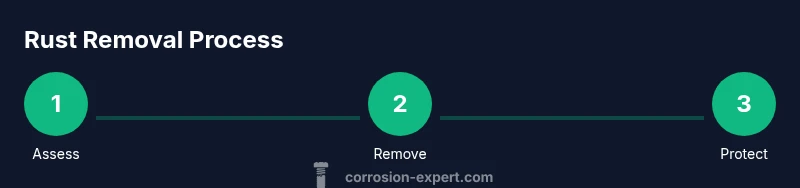
- Assess rust depth before choosing a method
- Protect surrounding areas and wear PPE
- Dry thoroughly and seal to prevent recurrence
- Maintain regular coatings to extend metal life