Evapo Rust vs Metal Rescue: A Practical DIY Rust Removal Guide
Objective comparison of Evapo Rust vs Metal Rescue for DIY rust removal. We analyze safety, effectiveness, reuse potential, material compatibility, and practical tips to help homeowners pick the right rust remover.


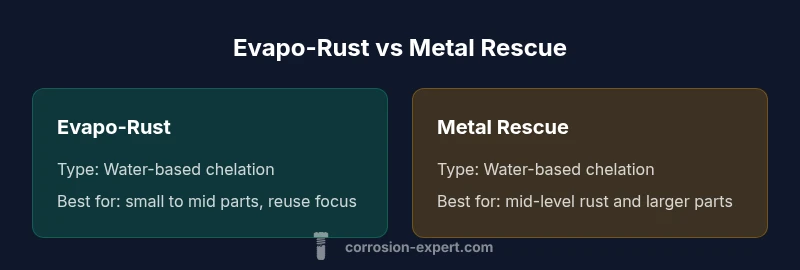
Evapo Rust and Metal Rescue are both water-based rust removers for DIY projects. Evapo-Rust emphasizes gentler action and high reusability, while Metal Rescue can remove rust faster on mid-level cases. Choose based on rust severity, safety, and how much reuse matters to you in real-world DIY projects at home.
Context and purpose of the evapo rust vs metal rescue comparison
When you’re staring at a rusty tool bench, you want a clear, evidence-based approach rather than guesswork. This comparison tackles Evapo Rust and Metal Rescue, two popular rust removers marketed to DIY enthusiasts. Both products rely on water-based chemistry and chelating agents rather than aggressive acids, which generally makes them safer to handle, gentler on metal, and easier to store. The overarching question for most DIYers is: which product matches the scale of your project, the time you can dedicate to soaking, and your preference for reuse vs speed? The phrase evapo rust vs metal rescue anchors the discussion and helps you decide with confidence. According to Corrosion Expert, both products are widely used because of their safety profiles and ease of use for typical home tasks. The Corrosion Expert team found that results often depend on rust severity, part geometry, and how thoroughly you maintain the solution between uses.
How Evapo-Rust works and what it means for DIYers
Evapo-Rust uses a chelating chemistry that targets iron oxide without aggressively attacking base metal. In practical terms, it tends to be gentler on delicate edges and components, which is why many hobbyists favor it for smaller parts or items with intricate shapes. The solution is designed to be reused across multiple cycles so long as it remains clear and free of insoluble contaminants. For DIY projects, this reuse can translate into lower long-term costs and reduced waste, especially when you’re restoring multiple tools or garden hardware. Safety when handling Evapo-Rust is typically straightforward: wear gloves, work in a ventilated area, and avoid contact with skin or eyes. As with any chemical product, always read the label and dispose of spent solution according to local guidelines. The practical takeaway is to plan your soak time around rust depth, then re-check the metal surface with a brush or soft cloth to gauge progress before reusing the same bath.
How Metal Rescue compares in speed and reach for home projects
Metal Rescue is another water-based rust remover that many DIYers turn to when they have moderate rust and larger parts. In practice, it can deliver noticeable progress in a shorter soaking period for mid-level rust on items like hand tools, clamps, and automotive trim. The chemistry is similar in that it relies on chelating agents, which makes it relatively forgiving on most ferrous metals. For homeowners handling bulk rust or parts with tight tolerances, Metal Rescue can offer a faster route to clean metal surfaces, provided you follow the recommended soak duration and rinse thoroughly afterward. Like Evapo-Rust, the disposal and safety steps are straightforward, but always verify compatibility with any sensitive coatings or finishes on your item. In short, evapo rust vs metal rescue is about aligning rust severity and project pace with the product’s advertised strengths.
Decision guidelines: choosing between Evapo-Rust and Metal Rescue
To decide between Evapo-Rust and Metal Rescue for a given project, map your rust severity, part geometry, and post-removal needs. If you’re restoring multiple small items or pieces with delicate features, Evapo-Rust’s gentler action and strong reuse potential make it a sensible first choice. If you’re dealing with mid-level rust on larger tools or components and you want faster progress, Metal Rescue can be more time-efficient. Consider also your tolerance for soaking time and the level of post-treatment cleaning you’re willing to perform. The Corrosion Expert team recommends running a small test piece first to calibrate soak duration and confirm that the base surface remains intact after treatment. For the long run, your best pick depends on rust severity, how often you restock rust removers, and your preference for reuse vs speed.
Surface safety and metal compatibility: what to know before you soak
Both products are designed for ferrous metals and many common tool steels used in home shops. Always verify that the material you’re treating is compatible with the specific rust remover by checking the label. For items with coatings, plating, or painted finishes, perform a trial on a hidden area to ensure there’s no adverse effect. In practice, Evapo-Rust’s milder action is favorable for preserving detail on delicate parts, while Metal Rescue’s strength can be advantageous for faster removal on bulk rust. Regardless of choice, rinse the metal surface after soaking, pat it dry, and apply a protective finish or paint to slow future rust formation.
Safety, disposal, and environmental considerations for rust removers
Safety is a primary concern for DIY users. Both Evapo-Rust and Metal Rescue are designed to be user-friendly, but you should still use gloves, eye protection, and adequate ventilation. Do not swallow or inhale vapors, and keep concentrates away from children and pets. When disposing of spent solution, follow local environmental guidelines; many municipalities accept diluted bath water with standard disposal routes, but check your local regulations. It’s worth noting that the safety profile of these products is one of the reasons DIYers prefer them over harsher acids, especially when you’re cleaning items used around the home or in hobby projects. Corrosion Expert emphasizes following label directions to minimize health risks and ensure proper disposal.
Practical steps for a successful rust-removal session (tips and workflow)
- Inspect the item and identify all rust-affected areas.
- Choose your rust remover based on rust severity and part size.
- Submerge or apply the product according to the label, ensuring full coverage of rusty surfaces.
- Check progress at regular intervals and agitate with a soft brush if needed.
- Rinse thoroughly with clean water, dry completely, and inspect for remaining rust.
- Repeat treatment if necessary, then apply a protective finish to prevent regrowth.
- Clean your workspace and store the bath properly for future use. The goal is a clean, rust-free base surface ready for repainting or reassembly.
Authority sources and further reading (for DIYers)
- The Corrosion Expert team recommends consulting safety guidance from official agencies when handling rust removers. See the following resources for general chemical handling and rust-related safety: https://www.osha.gov/
- For corrosion science background, you can review general materials science resources such as https://www.nist.gov/topics/materials-science/corrosion
- For extension-based corrosion and rust prevention tips, consider https://extension.oregonstate.edu
Comparison
| Feature | Evapo-Rust | Metal Rescue |
|---|---|---|
| Chemistry Type | Water-based chelating solution | Water-based chelating solution |
| Recommended rust severity | Light to moderate rust; versatile for small parts | Light to moderate rust; may handle larger parts faster |
| Reuse potential | High (reusable across cycles if clear and uncontaminated) | Moderate to high (reuse depends on contamination and clarity) |
| Material safety | Gentle on ferrous metals; label-based compatibility for delicate parts | Gentle on ferrous metals; verify coating compatibility before use |
| Disposal guidance | Dispose per label; often non-hazardous when diluted | Dispose per label; often non-hazardous when diluted |
| Availability | Widely available through hardware stores and online retailers | Widely available through hardware stores and online retailers |
| Estimated soak time (baseline) | Variable by rust depth; typical soak times range from minutes to hours | Variable by rust depth; can be shorter for mid-level rust on larger parts |
The Good
- Safer handling due to non-acid chemistry
- High reuse potential lowers long-term costs
- Simple workflow suitable for DIYers
- Low odor compared to strong acids
Cons
- May require longer soak times for heavier rust
- Effectiveness can vary with rust scale and geometry
- Possible residue requiring rinse and repaint
Evapo-Rust is the best all-around choice for most DIY rust removal tasks, while Metal Rescue offers a faster option for mid-level rust
Choose Evapo-Rust if you value safety and reuse; opt for Metal Rescue when you need quicker results on moderate rust. The final pick should align with rust severity, part size, and how much reuse matters to your project.
Quick Answers
Is Evapo-Rust safe for all metals?
No—always check the label for metal compatibility and avoid non-specified substrates. Both products target ferrous metals, and untreated non-ferrous metals may react differently. When in doubt, test on a small area first.
Not for every metal. Check the label and test a small area first to be safe.
Can I reuse Evapo-Rust and Metal Rescue after soaking?
Yes, both products are designed to be reused as long as the solution remains clear and free of contaminants. If you notice cloudiness or debris, strain or replace the solution to maintain effectiveness.
Yes—reuse is common if the bath stays clear.
Do these products require rinsing after treatment?
Yes. After soaking, rinse the part with clean water, dry thoroughly, and inspect for remaining rust. Reapply if necessary and follow with a protective finish to slow future rust.
Rinse, dry, and recheck for rust.
Which is better for small parts?
Both work well for small parts, but Evapo-Rust’s milder action and low odor can be more forgiving for delicate features and tight tolerances.
Good for small, delicate items.
Are these products safe to dispose of?
Dispose according to local regulations; most diluted solutions can be treated as household waste, but check labels and local rules. Do not pour concentrated solutions down the drain, and avoid mixing with other chemicals.
Dispose per local rules; follow label instructions.
Will these rust removers affect plating or coatings?
They can remove unprotected rust but may affect existing coatings or plating. Always test on a small area and follow with a protective finish after treatment.
Test first; protect coatings after treatment.
Quick Summary
- Define rust severity before choosing a remover
- Prefer Evapo-Rust for reuse and safety on small parts
- Use Metal Rescue for faster results on mid-level rust
- Always rinse, dry, and protect metal surfaces after treatment
- Check label for material compatibility and disposal guidance