Car Masters Rust to Riches: A Practical Restoration Guide
A detailed how-to on turning rust into value for car owners: assess, repair, protect, and maintain to preserve safety and resale potential.


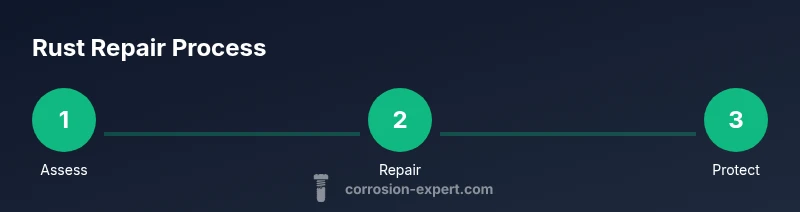
You will learn how to turn a rusty car into a safe, value-adding restoration. This guide covers diagnosing rust severity, choosing repair strategies, sourcing affordable parts, and applying durable protection to prevent future corrosion. Expect a step-by-step plan you can follow with common tools and materials, plus safety tips and cost ranges to budget effectively.
Understanding the Rust-to-Riches Mindset in Car Restoration
The phrase car masters rust to riches captures a practical truth: rust is a problem that can become value when addressed early and done with care. According to Corrosion Expert, homeowners and DIY enthusiasts can turn a challenging rust project into a solid asset by combining honest diagnosis, budget-conscious repair choices, and durable protective coatings. In this section, we establish the mindset and scope: you’re not chasing a perfect new car, you’re converting a repair project into a safer, longer-lasting vehicle with preserved resale potential. We’ll outline the pathway from initial assessment to long-term maintenance, focusing on methods that balance quality, cost, and effort.
Assessing Rust Severity: Surface, Scale, and Structural Risks
Rust comes in layers: surface rust that rubs off, scale that dulls metal, and structural corrosion that undermines safety. A careful assessment determines whether you can stabilize the area, patch a panel, or require full panel replacement. Start by removing loose debris and using a flashlight to inspect for pitting, holes, or seam corrosion near critical joints. Document findings with photos and measurements. The goal is to categorize areas into mild, moderate, and severe rust, so you can plan repairs that restore strength without overbuilding. Proper assessment reduces surprises during later steps and helps you budget realistically.
Choosing a Restoration Path: DIY Patching vs. Panel Replacement
When rust is localized to a corner or a seam, patching with metal filler and sealant can buy time and save money. For larger areas or compromised structures, panel replacement ensures safety and long-term durability. The decision hinges on rust depth, frame integrity, and the car’s value. DIY patching works best for minor surface rust; panel replacement is warranted for severe rust that affects load paths or mounting points. A deliberate choice prevents wasted effort and reduces the risk of future rust growth if underlying causes aren’t addressed.
Sourcing Parts on a Budget: New, Used, and Recycled Panels
You don’t need pristine OEM panels to achieve solid results. Used or recycled panels from salvage yards or reputable rebuilders can dramatically cut costs without sacrificing safety. When selecting parts, verify corrosion-free edges, proper fitment, and warranty options if available. For critical load-bearing areas, consider new panels or high-quality aftermarket replacements to ensure structural integrity. Budget-minded buyers should compare total costs, including shipping, welding, and paint work, rather than focusing on sticker price alone.
Tools and Techniques for Safe Rust Repair
A successful rust repair combines proper tools with disciplined technique. Essential tools include grinders for removing rust and cutting damaged metal, a MIG welder for patching, and a sander for surface preparation. Protective gear—gloves, goggles, respirator—reduces health risks from dust and fumes. Surface preparation, rust treatment, patch installation, and finishing must be done in clean, well-ventilated spaces. If you’re unsure about welding, practice on scrap metal and seek professional help for resistance seam work or structural welds.
Preparation Before Any Repair: Safety and Workspace
Safety comes first. Disconnect the battery, drain fluids if you’ll access fuel lines, and mark off work zones to protect passengers. Create a tidy workspace with ample lighting, ventilation, and drop cloths to catch debris. Photograph each area before you begin so you can track changes and verify alignment after repair. Establish a step-by-step plan with measurable goals, so you’re not surprised by rework or missed seams later on.
Treatments, Primers, and Top Coats for Durability
After repairing metal, choose rust converters to stabilize remaining rust, then prime with an epoxy-based primer to promote adhesion. Seal with a high-quality automotive paint and a durable clear coat to resist UV and moisture. For added protection against road salt and humidity, apply a corrosion-inhibiting undercoating to the underbody and wheel wells. Regularly inspect treated areas during seasonal maintenance to catch new signs of wear early.
Real-World Cases: Budget Scenarios and Outcomes
In practice, small, well-planned rust repairs can add significant resale value without a full frame-off restoration. Case-by-case budgeting helps owners allocate funds efficiently: initial assessment, patch or panel replacement, rust converter and primer, topcoat, and annual preventive maintenance. When done correctly, maintenance-friendly rust treatment extends life and supports safer driving. Learn from examples in forums and local clubs where DIYers document before-and-after photos and costs.
Maintenance and Preventive Measures for Long-Term Value
Preventing new rust is cheaper than repairing old rust. Establish a routine that includes regular washes, especially in winter, cleaning undercarriage cavities, sealing door gaps, and applying protective coatings to vulnerable areas. Address any paint chips promptly to prevent moisture ingress. Consider rust-proofing coatings and periodic inspections as part of your car’s ongoing care program so that the ownership experience remains safe and valuable.
Cost Ranges and Timeline Expectations for a Typical DIY Rust Project
Costs vary based on rust extent and panel availability. A light surface rust refresh might require minimal investment, whereas structural patches and panel replacement can rise substantially, particularly when welding is involved. Timeframes depend on the complexity of the repair and the drying times for primers and coatings. Planning for several days of work and buffer time for unexpected issues helps keep the project on track and reduces delays.
Documentation and Value Preservation Through the Project
Keep a detailed log of every repair step, including photos, part numbers, and materials used. This record helps future ownership decisions, assists buyers in evaluating work, and supports any warranty claims. A well-documented restoration demonstrates care and professional effort, reinforcing the car’s value despite its age. Sharing the process through a blog or social media can also build a community around your project and provide ongoing advice.
Tools & Materials
- Wire brush(Stubborn rust spots; use on curved surfaces and corners)
- Angle grinder with cutting disc(For cutting out severely rusted sections)
- Sandpaper (80-400 grit)(For feathering edges and smoothing surfaces)
- Rust converter(Stabilizes remaining rust before primer)
- Epoxy primer(Promotes adhesion and corrosion resistance)
- Automotive body filler (bondo)(Use for minor low spots after patching)
- Fiberglass repair cloth (optional)(Adds strength for panel patches)
- Patch panels or replacement panels(Source corrosion-free parts with proper fit)
- MIG welder(Solid welds for patch panels; ensure proper ventilation)
- Sheet metal snips(To shape patch pieces precisely)
- Body seam sealer(Seals joints after patching)
- Primer spray (epoxy)(Base protection before paint)
- Topcoat paint and clear coat(Color-matching finish with UV protection)
- Rust-inhibiting undercoating(Protects underside and wheel wells)
- Safety gear (gloves, goggles, respirator)(Protects lungs and skin from dust and fumes)
- Masking tape and film(Keeps finish clean around repair areas)
- Shop towels and vacuum(Clean up dust and debris)
Steps
Estimated time: 8-16 hours
- 1
Inspect and document rust
Begin with a thorough walkaround to locate all rust-affected areas. Photograph each spot, note severity, and mark critical joints. This record sets the repair plan and budgeting baseline.
Tip: Mark areas with painter's tape to keep track during disassembly. - 2
Remove loose rust and debris
Use a wire brush and sanding to remove loose rust from surfaces. Clean the area to bare metal where you’ll weld or seal. Ensure the surface is dry before proceeding.
Tip: Work in short sessions to prevent overheating metal and warping. - 3
Decide on repair path
Evaluate each area for patching versus panel replacement. Mild surface rust may be treated; structural rust calls for cutting and replacing sections. Prioritize safety and structural integrity.
Tip: Consult a pro if you’re unsure about load-bearing areas. - 4
Prepare patch panels
Cut replacement panels to fit the opening, then deburr edges. Test-fit before welding to avoid misalignment. Ensure metal thickness matches surrounding panels.
Tip: Clamp panels firmly to prevent movement during welding. - 5
Weld patch panels
Tack weld at multiple points to hold position, then complete continuous seams. Avoid overheating to prevent warping. Grind welds smooth after cooling.
Tip: Keep a drip jar handy and vent fumes away from you. - 6
Apply rust converter and primer
Treat remaining rust with converter, then apply epoxy primer to seal surfaces. Let each coat dry fully per product guidelines. This provides a strong foundation for paint.
Tip: Do not skip the converter on hidden areas; rust can spread behind panels. - 7
Seal seams and restore finish
Use body seam sealer on weld seams and joints to prevent moisture ingress. Sand lightly, then apply basecoat and clear coat. Maintain a smooth transition with surrounding panels.
Tip: Mask nearby areas thoroughly to avoid overspray.
Quick Answers
What are the first signs of rust on a car that DIYers should watch for?
Small discolorations, surface bubbles, and chipped paint near seams often indicate early rust. Address these quickly to prevent structural damage.
Look for bubbling paint and discolored spots near joints; tackle early rust before it grows.
Can I fix rust myself, or should I hire a professional for safety-critical areas?
Minor surface rust is doable for a skilled DIYer, but structural rust or areas near load-bearing joints often require a professional for safety and warranty reasons.
DIY is fine for light rust, but if you see structural damage, get a pro involved.
How long does a typical DIY rust repair take?
Time varies with rust extent; a small patch can take a day, while larger repairs may stretch to several days, including drying times for primers and coatings.
Most small patches take a day; larger jobs need additional days for curing.
Are affordable rust treatments effective, or are expensive products worth it?
Budget-friendly rust treatments work when applied correctly and to appropriate areas. The best outcomes come from combining proper preparation, coatings, and maintenance rather than chasing a cheap quick fix.
Quality preparation and coatings beat cheap products, especially for hidden rust.
What common mistakes should beginners avoid in rust repair?
Skipping surface prep, rushing welds, and neglecting seam sealing can lead to early rust recurrence. Follow a structured plan and verify each step before finishing.
Don’t skip prep, rush welds, or skip sealing seams.
Is rust-proofing permanent, or does it require maintenance?
Rust-proofing reduces new corrosion but requires periodic inspection and reapplication in high-risk areas like the undercarriage and wheel wells.
Rust-proofing helps, but you still need regular checks.
Watch Video
Quick Summary
- Plan rust work with a clear budget and scope.
- Choose patching vs. panel replacement based on severity.
- Protect against future rust with primers and coatings.
- Document the project for value preservation.